In the rapidly evolving world of defense technology, few companies have captured as much attention as Shield AI—a startup at the forefront of autonomous military systems. With fresh fundraising efforts led by major investors, including defense-focused venture firms like Aechelon and others, Shield AI is positioning itself as a key player in the next generation of warfare: AI-driven, autonomous, and data-powered.
The company’s rise reflects a broader transformation across global defense industries, where artificial intelligence, robotics and software are becoming as important as traditional weapons. As governments and private investors pour billions into defense tech, Shield AI’s ambitions highlight a critical shift: the battlefield is becoming increasingly automated—and venture capital is following closely behind.
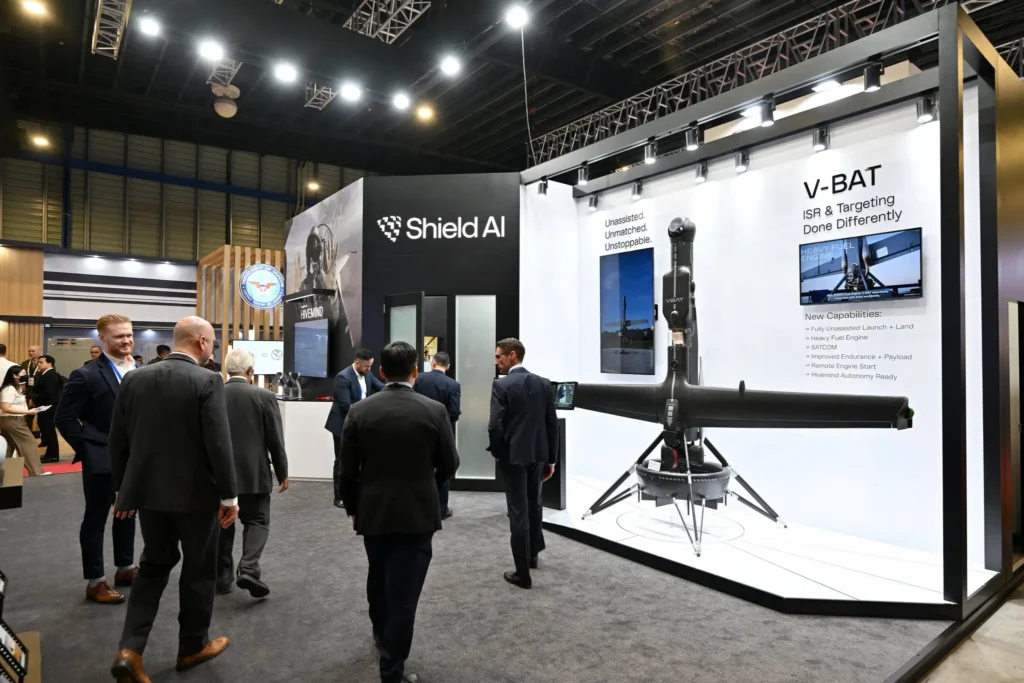
What Is Shield AI?
Shield AI is a U.S.-based defense technology company specializing in autonomous systems, particularly drones powered by artificial intelligence.
Founded by former Navy SEAL Brandon Tseng and his co-founders, the company’s mission is to develop AI systems that can operate in high-risk environments without direct human control.
Its flagship products include:
- Autonomous drones capable of navigating complex environments without GPS
- AI pilot software (Hivemind) that enables aircraft to fly independently
- Military reconnaissance systems designed for urban and contested environments
These systems are designed to support military operations where traditional communication or navigation systems may fail.
The Hivemind Platform: AI Pilots for Modern Warfare
At the heart of Shield AI’s technology is Hivemind, an AI software platform that allows drones and aircraft to operate autonomously.
Unlike traditional drones that rely on remote pilots, Hivemind enables machines to:
- navigate without GPS
- make real-time decisions
- adapt to changing environments
- coordinate with other autonomous systems
This capability is especially important in modern conflict zones, where adversaries may jam GPS signals or disrupt communications.
Hivemind essentially turns drones into independent agents capable of executing missions with minimal human input.
Why Investors Are Pouring Money Into Defense AI
Shield AI’s latest fundraising efforts reflect a surge of interest in defense technology among venture capital firms.
Historically, many investors avoided military-related startups due to ethical concerns and long development timelines. But that attitude is changing.
Key reasons include:
1. Rising Geopolitical Tensions
Conflicts in regions such as Ukraine and the Middle East have highlighted the importance of advanced military technology.
2. Government Demand
Defense agencies are actively seeking AI-driven solutions for surveillance, reconnaissance and autonomous operations.
3. Technological Breakthroughs
Advances in AI, sensors and computing power have made autonomous systems more viable.
4. Dual-Use Potential
Many defense technologies also have civilian applications, such as disaster response, infrastructure inspection and logistics.
As a result, defense tech has become one of the fastest-growing sectors in venture capital.
The Changing Nature of Warfare
Shield AI’s rise is part of a broader shift in how wars are fought.
Modern conflicts increasingly rely on:
- unmanned aerial systems
- real-time data analysis
- cyber operations
- autonomous decision-making tools
Drones, in particular, have become central to military strategy.
They are used for:
- surveillance and reconnaissance
- precision strikes
- battlefield intelligence gathering
Autonomous drones take this one step further by reducing reliance on human operators.
The Strategic Importance of Autonomous Systems
Autonomous systems offer several advantages:
Reduced Risk to Human Soldiers
Drones can operate in dangerous environments without putting human lives at risk.
Faster Decision-Making
AI systems can process information and respond more quickly than human operators.
Scalability
Autonomous systems can be deployed in large numbers, creating swarms of coordinated machines.
Resilience
Systems that do not rely on GPS or constant communication are harder to disrupt.
These capabilities make AI-powered drones a key focus for military planners worldwide.
Competition in the Defense AI Space
Shield AI is not alone in this race.
Other companies and organizations are developing similar technologies, including:
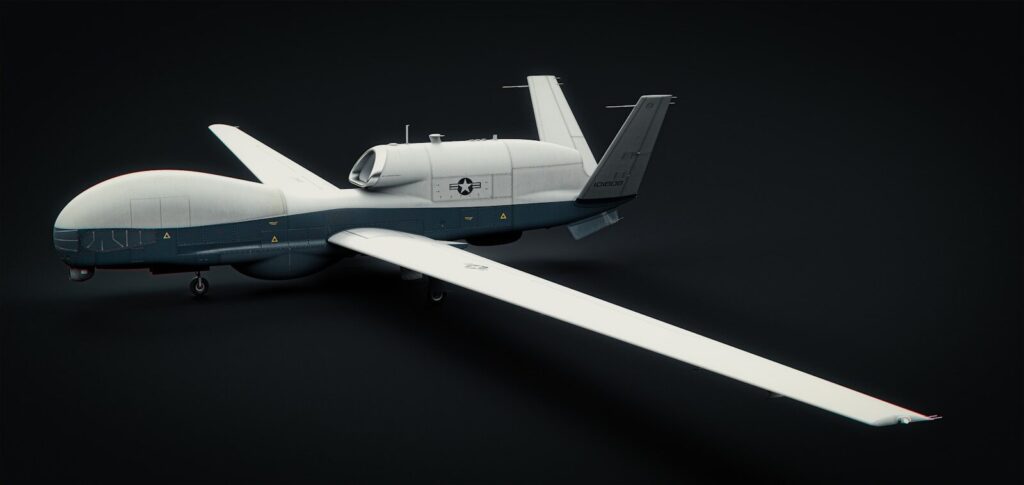
- defense contractors like Lockheed Martin and Northrop Grumman
- startups focused on autonomous systems
- government research programs
However, startups like Shield AI often move faster than traditional defense companies, allowing them to innovate more quickly.
Ethical and Policy Concerns
The rise of autonomous military systems raises significant ethical questions.
Autonomous Weapons Debate
Should machines be allowed to make life-and-death decisions?
Accountability
Who is responsible if an AI system makes a mistake?
Escalation Risks
Autonomous systems could increase the speed of conflict, reducing time for human intervention.
Global Proliferation
As technology spreads, more countries—and potentially non-state actors—could gain access to advanced AI weapons.
Governments and international organizations are still grappling with how to regulate these technologies.
The Role of Government Contracts
While venture capital is fueling early growth, long-term success in defense tech often depends on government contracts.
Shield AI works closely with U.S. defense agencies, which provide:
- funding for research and development
- testing environments
- deployment opportunities
Winning large defense contracts can significantly boost a company’s revenue and influence.
The Future of Autonomous Defense
The next decade is likely to see rapid expansion in AI-powered defense systems.
Future developments may include:
- fully autonomous fighter aircraft
- coordinated drone swarms
- AI-driven battlefield simulations
- integration of AI across all military domains
These systems could fundamentally change how wars are planned and executed.
Frequently Asked Questions (FAQ)
Q: What does Shield AI do?
Shield AI develops autonomous drones and AI software that can operate without direct human control.
Q: What is Hivemind?
Hivemind is Shield AI’s AI platform that enables drones and aircraft to fly and operate autonomously.
Q: Why are investors interested in defense AI?
Rising geopolitical tensions, government demand and technological advances are driving investment in defense technology.
Q: Are autonomous drones already used in warfare?
Yes. Drones are widely used, though fully autonomous systems are still evolving.
Q: What are the risks of autonomous weapons?
Risks include ethical concerns, potential errors and the possibility of rapid escalation in conflicts.
Q: Can these technologies be used outside the military?
Yes. Autonomous systems can also be used in disaster response, logistics and infrastructure inspection.
Q: Will AI replace human soldiers?
AI is more likely to augment human capabilities rather than fully replace soldiers in the near term.
Conclusion
Shield AI’s rapid rise underscores a profound transformation in the defense industry.
Artificial intelligence is no longer just a supporting tool—it is becoming a central component of military strategy. As autonomous systems grow more capable, the line between human and machine decision-making on the battlefield continues to blur.
For investors, governments and technologists, the stakes could not be higher. The companies building these systems are not just creating new products—they are shaping the future of warfare itself.
And in that future, intelligence may not only guide machines—it may be the machine.
Sources The New York Times