
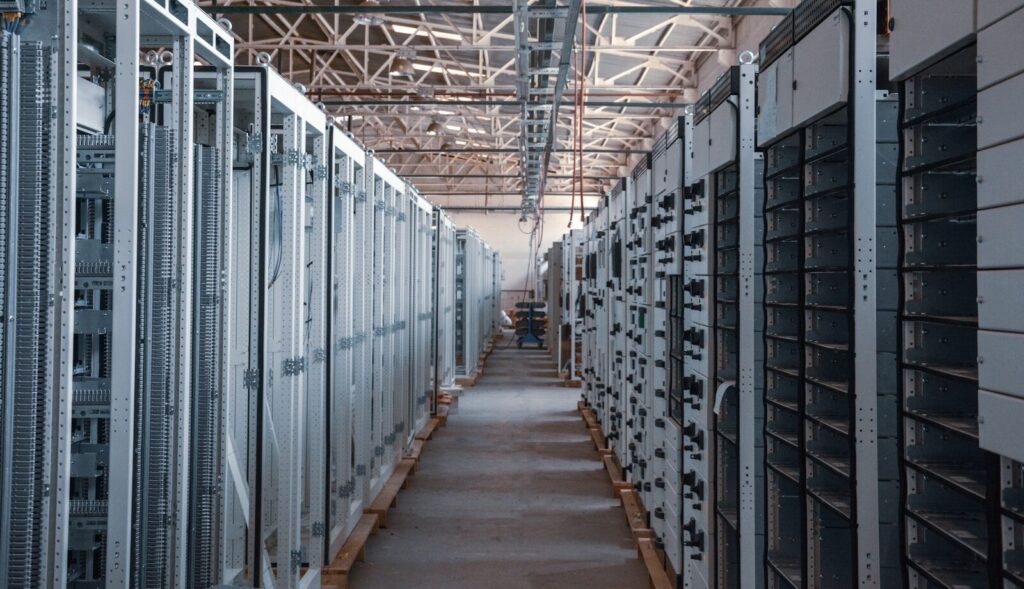
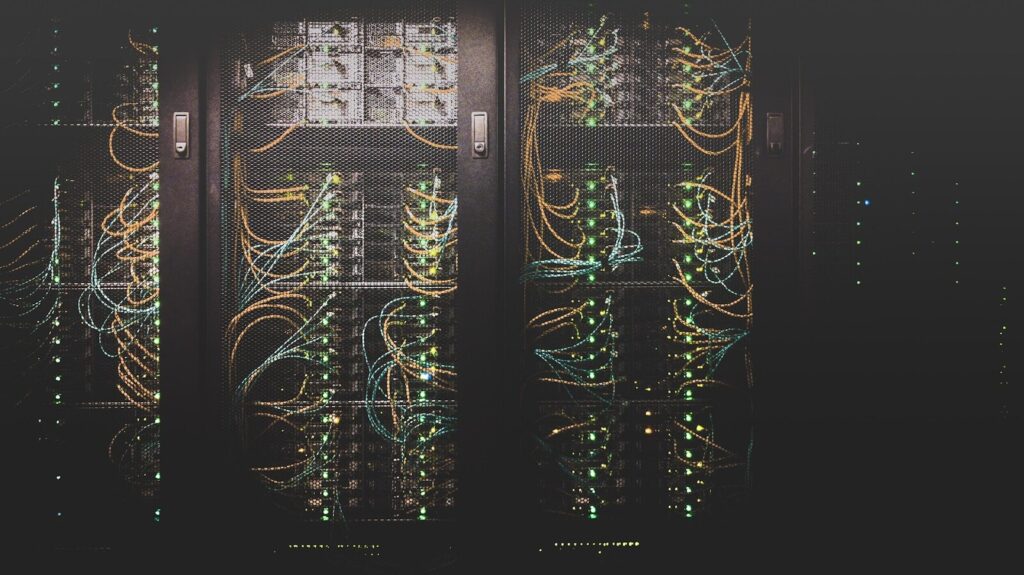
Artificial intelligence may feel weightless — a chatbot response, an AI-generated image, a predictive recommendation. But behind every prompt lies something massive, physical, and power-hungry: data centers.
As AI adoption accelerates, sprawling warehouses filled with servers are expanding across rural towns and suburban communities. These facilities promise economic growth and technological leadership. Yet in many regions, they are also triggering local resistance movements.
The AI boom is no longer just a Silicon Valley story.
It is becoming a land, water, and power story.
This article explores how AI-driven data center expansion is reshaping communities, why opposition is growing, what environmental and economic trade-offs are involved, and how governments and corporations are responding.

Why AI Requires So Much Infrastructure
Generative AI systems rely on:
- High-performance graphics processing units (GPUs)
- Massive storage clusters
- Continuous cooling systems
- Redundant power supplies
Training advanced AI models can consume enormous energy over weeks or months. Even daily user queries require ongoing computational power.
Unlike traditional cloud workloads, AI demands:
- Higher density computing
- More advanced cooling
- Greater electricity throughput
The result is a surge in data center construction.
The Geography of AI Expansion
Data centers are often built in:
- Rural towns with affordable land
- Areas near major power grids
- Regions offering tax incentives
- Locations with access to water for cooling
While companies emphasize job creation and investment, many facilities are highly automated and employ relatively few permanent workers.
Communities are beginning to question the trade-offs.
The Energy Question
AI data centers consume vast quantities of electricity.
In some regions, this has led to:
- Strain on local power grids
- Delays in residential development due to capacity limits
- Increased fossil fuel generation
- Rising electricity prices
Even when companies pledge renewable energy use, the reality is complex.
Renewable contracts may offset emissions on paper, but actual grid composition can still include fossil fuels.
Water: The Overlooked Resource
Cooling high-density AI servers often requires significant water use.
In drought-prone areas, residents worry about:
- Competition for water resources
- Environmental sustainability
- Long-term ecosystem impact
Water consumption has become a focal point of opposition.
The Local Backlash
Community concerns include:
- Noise pollution from cooling systems
- Industrialization of residential zones
- Lack of transparency about environmental impact
- Tax incentives benefiting corporations more than residents
Grassroots groups are forming to demand:
- Stricter environmental reviews
- Zoning limitations
- Greater corporate accountability
The resistance is not necessarily anti-technology — it is often anti-unchecked expansion.
Economic Promises vs. Reality
Data centers promise:
- Construction jobs
- Increased tax revenue
- Infrastructure investment
But critics argue:
- Permanent job creation is limited
- Tax abatements reduce local benefit
- Long-term grid upgrades are publicly subsidized
Communities are asking whether the economic gains justify the environmental footprint.
The Climate Paradox
AI companies often position their tools as:
- Climate optimizers
- Energy efficiency enablers
- Sustainability accelerators
Yet the infrastructure powering AI can increase:
- Carbon emissions
- Energy demand
- Water consumption
This contradiction complicates corporate sustainability narratives.
Policy and Regulatory Responses
Governments are beginning to respond with:
- Stricter zoning requirements
- Environmental impact assessments
- Energy reporting mandates
- Water usage disclosures
Some regions are reconsidering generous tax incentives.
Balancing innovation with community protection is becoming a policy challenge.
What Often Goes Unexamined
AI Demand May Continue Growing
Even if infrastructure expansion slows in one region, demand may shift elsewhere.
This creates a global patchwork of impact.
Smaller Communities Bear Disproportionate Burdens
Rural towns may lack the political leverage of large cities, making them attractive targets for expansion.
Long-Term Infrastructure Lock-In
Once built, data centers become long-term fixtures, shaping energy systems for decades.
Can AI Infrastructure Become Sustainable?
Potential solutions include:
- Advanced cooling technologies
- Energy-efficient chip design
- Co-location with renewable generation
- Waste heat reuse
- Greater transparency reporting
Innovation in infrastructure must match innovation in software.
Frequently Asked Questions
Why do AI data centers use so much energy?
They rely on high-performance computing hardware that requires continuous power and cooling.
Do data centers create many jobs?
Construction generates temporary employment, but permanent staffing is often limited.
Are companies using renewable energy?
Many sign renewable energy contracts, but local grid mixes vary.
Why are communities protesting?
Concerns include environmental impact, resource strain, and insufficient economic return.
Can AI growth continue without expanding infrastructure?
Efficiency improvements may reduce per-query energy use, but overall demand growth may offset gains.
Final Thoughts
Artificial intelligence may feel intangible, but its footprint is anything but.
The AI revolution depends on vast physical infrastructure — and that infrastructure reshapes real communities.
As data centers multiply, the debate is shifting from abstract questions about algorithms to concrete concerns about land, water, and power.
The future of AI will not be determined solely by code.
It will also be shaped by local politics, environmental stewardship, and whether communities believe the benefits of AI outweigh its physical cost.
Because behind every digital breakthrough stands a very physical reality — humming, cooling, and consuming resources around the clock.
Sources TIME