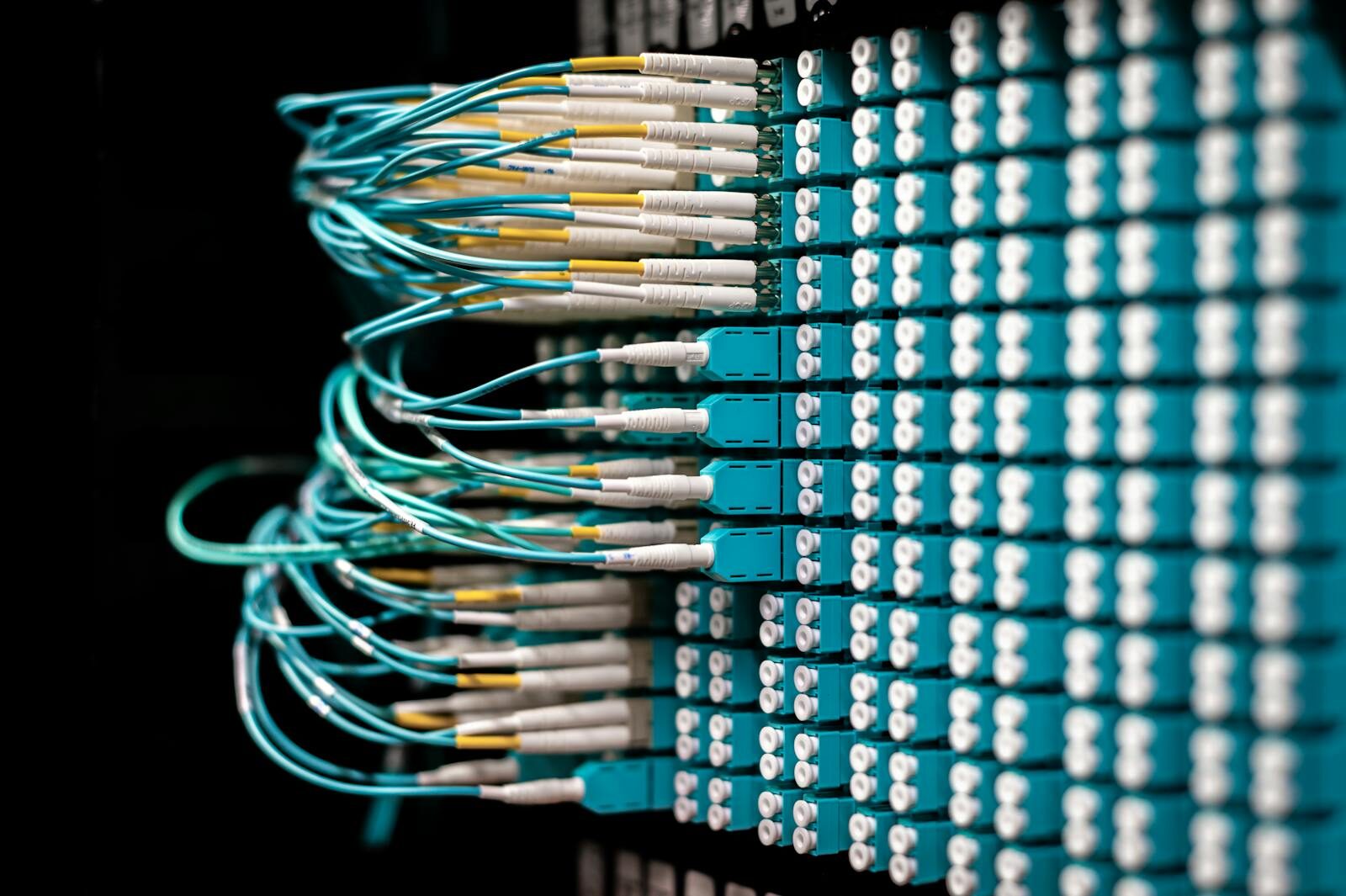
The global surge in artificial intelligence is not only reshaping technology—it is also transforming entire regions, industries and career paths. Across the world, the explosive demand for AI computing power is fueling a massive expansion of data centers, the facilities that store, process and power the digital infrastructure behind artificial intelligence systems.
In an unexpected twist, some of the people benefiting from this new technological gold rush are former coal miners and workers from declining fossil fuel industries. As AI companies build enormous computing hubs, communities once dependent on coal mining and traditional energy are finding new opportunities in the rapidly growing AI data center economy.
This shift illustrates how the AI revolution is reshaping not only the digital world but also the physical landscape of energy, infrastructure and employment.

The Explosive Growth of AI Data Centers
Artificial intelligence systems—especially large language models and advanced machine learning platforms—require enormous computational resources.
Training and running AI models requires:
- Thousands of specialized processors
- Massive storage systems
- Advanced cooling technologies
- Large-scale power supplies
These systems are housed in data centers, which have become one of the fastest-growing types of infrastructure in the global technology economy.
Tech companies are investing billions of dollars into building and expanding these facilities. Major players such as Microsoft, Google, Amazon and emerging AI companies are racing to secure locations where they can build massive computing campuses.
This rapid expansion has created a new type of industrial boom.
Why Former Mining Regions Are Attracting Data Centers
Interestingly, many of the regions attracting AI data centers are areas historically associated with heavy industry—particularly coal mining.
Several factors explain why these locations are appealing to technology companies.
Access to Energy Infrastructure
Coal mining regions often have existing energy infrastructure such as:
- Power plants
- Electrical transmission lines
- Industrial land suitable for development
Because data centers consume enormous amounts of electricity, access to reliable power grids is one of the most important factors when selecting locations.
Affordable Land
Former industrial areas often have large plots of land available at lower costs compared with urban technology hubs.
Skilled Technical Workforce
Workers from mining, manufacturing and energy industries often possess technical skills that can transfer to data center operations, including:
- electrical maintenance
- mechanical systems management
- heavy equipment operation
- safety and operations oversight
These capabilities make workforce transitions more feasible.
The Human Side of the AI Infrastructure Boom
For workers who previously depended on coal mining, the shift toward AI infrastructure represents a dramatic career change.
Coal jobs have declined significantly in many regions due to environmental policies, automation and market shifts toward renewable energy.
Data centers offer an alternative employment path with roles such as:
- electrical technicians
- cooling system specialists
- network infrastructure operators
- facility maintenance engineers
- security and operations staff
Although the work is very different from mining, many skills—particularly in engineering, mechanics and safety procedures—translate well.
For communities that lost thousands of industrial jobs over the past several decades, the arrival of data centers offers new economic opportunities.
How AI Is Driving the Data Center Boom
Artificial intelligence workloads are far more computationally intensive than traditional cloud computing.
For example:
- Training large AI models requires thousands of GPUs operating simultaneously.
- Running AI-powered applications for millions of users requires constant high-performance processing.
- AI models must store enormous datasets used for training and improvement.
This demand has led to an unprecedented expansion of computing infrastructure.
Industry analysts estimate that global spending on AI infrastructure could reach hundreds of billions of dollars annually within the next decade.
As a result, tech companies are racing to secure locations where they can build new facilities quickly.

The Energy Challenge of AI Infrastructure
One of the biggest challenges associated with AI data centers is energy consumption.
Large AI facilities can consume as much electricity as small cities.
Major concerns include:
- pressure on regional power grids
- rising electricity demand
- environmental impact of energy use
- cooling requirements for high-performance chips
Some technology companies are exploring renewable energy sources, nuclear power partnerships and advanced cooling systems to address these challenges.
Others are locating data centers near existing power plants or industrial energy infrastructure.
Environmental Concerns and Sustainability
While data centers bring economic benefits, they also raise environmental questions.
AI facilities require large amounts of electricity and water for cooling.
Critics argue that the rapid expansion of data centers could increase carbon emissions if powered primarily by fossil fuels.
To address these concerns, some companies are investing in:
- renewable energy projects
- water-efficient cooling technologies
- energy-efficient chip designs
- carbon offset initiatives
Balancing technological progress with environmental sustainability remains a key challenge for the AI industry.
Economic Impact on Local Communities
For communities once dependent on declining industries such as coal mining, data centers can provide significant economic benefits.
These benefits include:
- new job opportunities
- increased tax revenue for local governments
- infrastructure improvements
- local business growth
However, the number of permanent jobs created by data centers is often smaller than traditional industrial facilities.
While construction phases may employ hundreds of workers, ongoing operations typically require fewer staff.
As a result, communities must balance expectations about long-term economic impact.
The Global Race for AI Infrastructure
The demand for AI computing power is not limited to one country. Nations around the world are competing to attract data center investment.
Key regions investing heavily in AI infrastructure include:
- United States
- Europe
- China
- Middle East
- Southeast Asia
Governments are offering incentives such as tax breaks, energy subsidies and infrastructure development to attract major technology companies.
This competition highlights how critical AI infrastructure has become to national economic strategies.
The Future of Work in the AI Infrastructure Economy
The transformation from coal mining to data center operations reflects a broader shift in the global economy.
Industrial labor is increasingly being replaced by technology-driven infrastructure.
Future job opportunities in AI infrastructure may include roles in:
- data center engineering
- advanced cooling technologies
- energy management systems
- network infrastructure management
- cybersecurity for cloud platforms
Education and workforce retraining programs will play a crucial role in helping workers transition into these new careers.
Frequently Asked Questions (FAQs)
1. Why are AI companies building so many data centers?
Artificial intelligence requires enormous computing power. Data centers provide the infrastructure needed to train and run AI models.
2. Why are former coal mining areas attracting data centers?
These regions often have strong energy infrastructure, available industrial land and workers with technical skills suited for operating large facilities.
3. Do data centers create many jobs?
Data centers create construction jobs during development and technical roles during operation, but they typically employ fewer people than traditional factories or mines.
4. How much electricity do AI data centers use?
Large AI data centers can consume as much electricity as small cities due to the high-performance computing systems they operate.
5. Are AI data centers environmentally sustainable?
Many companies are investing in renewable energy and energy-efficient technologies, but the environmental impact of large data centers remains an ongoing concern.
6. Could the AI boom revive struggling industrial communities?
In some cases, yes. Data center investments can bring jobs, tax revenue and infrastructure improvements to regions that previously depended on declining industries.
7. Will demand for AI data centers continue growing?
Most experts expect continued growth as artificial intelligence becomes more integrated into businesses, government services and consumer applications.

Conclusion
The rise of artificial intelligence is reshaping far more than the digital world—it is transforming physical infrastructure, energy systems and local economies.
In places once defined by coal mines and heavy industry, massive data centers are emerging as the new engines of economic activity. For former miners and industrial workers, the AI boom offers an unexpected opportunity to participate in the next chapter of technological progress.
The transition from coal to cloud computing symbolizes a broader shift in the global economy. As artificial intelligence continues to expand, the infrastructure powering it—and the communities supporting that infrastructure—will play a critical role in shaping the future of technology.
Sources The New York Times