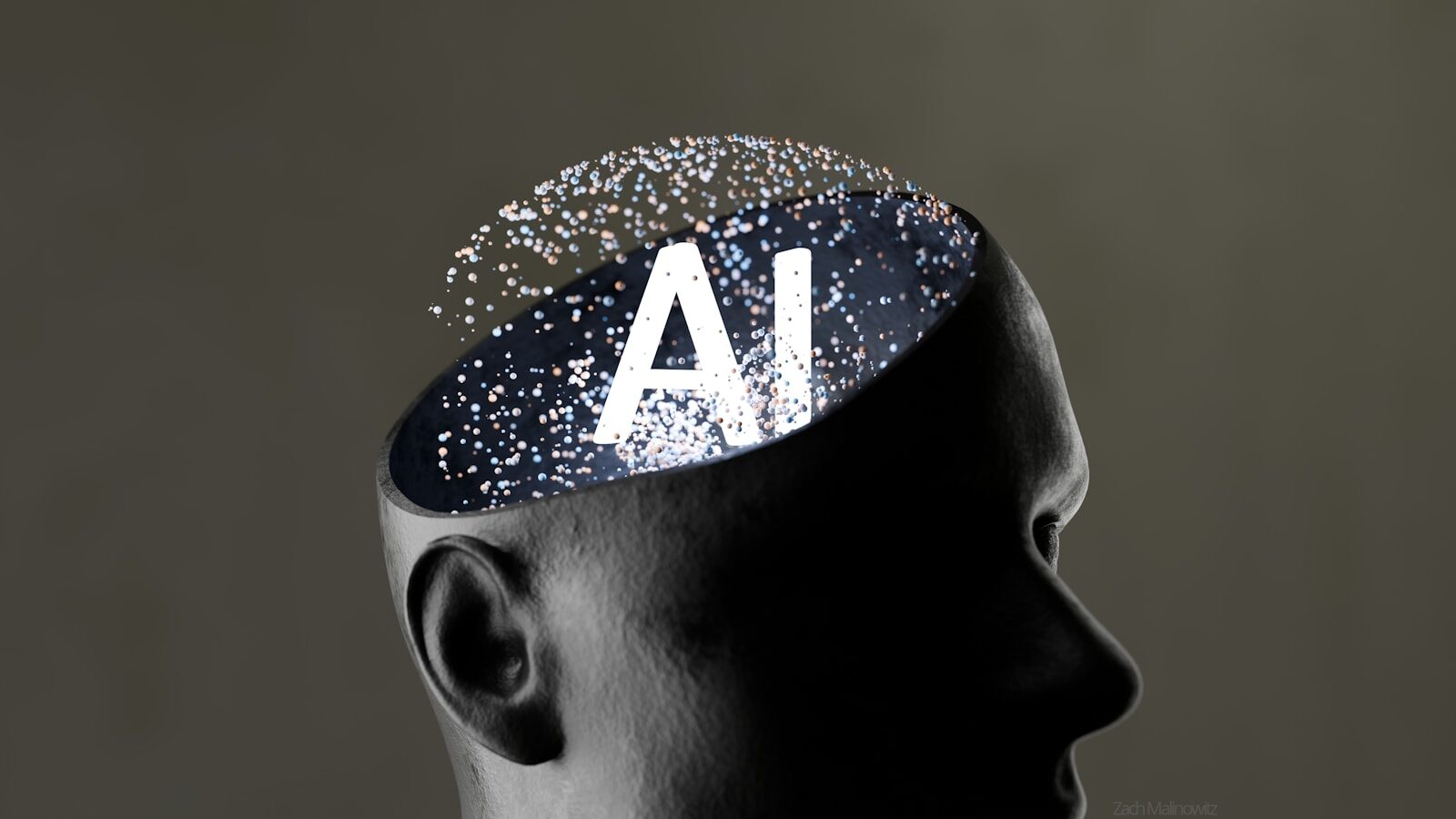
Artificial intelligence is rapidly becoming one of the most decisive technologies in modern warfare. As conflicts grow more complex and data-driven, military forces are increasingly relying on AI systems to process vast amounts of information, identify threats and support battlefield decisions.
One of the most significant examples of this shift is Project Maven, a U.S. Department of Defense initiative designed to use artificial intelligence to analyze surveillance data and assist military operations. Initially developed to improve the analysis of drone footage, the project has evolved into a cornerstone of America’s emerging AI war strategy.
Recent geopolitical tensions, including conflicts involving Iran and its regional network of allied forces, have placed new attention on how AI tools like Project Maven may shape future battlefields. These developments highlight both the potential power and the serious ethical questions surrounding the use of artificial intelligence in military operations.
As global powers race to integrate AI into defense systems, Project Maven offers a glimpse into how warfare itself may be transformed by algorithms.

What Is Project Maven?
Project Maven—officially known as the Algorithmic Warfare Cross-Functional Team—was launched by the U.S. Department of Defense in 2017.
Its original goal was straightforward but ambitious: use machine learning to analyze the enormous amount of video and image data collected by surveillance drones and satellites.
Modern military operations generate overwhelming volumes of visual information. Human analysts cannot review every frame of footage captured by drones monitoring battle zones.
Project Maven was designed to solve this problem.
Using computer vision algorithms, the system can:
- detect vehicles, weapons and equipment in drone footage
- identify patterns of movement across large areas
- track objects across multiple video frames
- flag suspicious activity for human review
Instead of replacing human analysts, the AI acts as an intelligence assistant, helping them focus on the most important information.
Why AI Is Becoming Central to Modern Warfare
Military leaders increasingly view artificial intelligence as essential to maintaining strategic advantage.
Several factors are driving this shift.
Data Overload
Modern surveillance technologies generate massive datasets from drones, satellites, sensors and communications networks.
AI systems can analyze these datasets far faster than humans.
Faster Decision-Making
In high-speed conflicts, the ability to process intelligence quickly can determine success or failure.
AI tools help commanders respond more rapidly to emerging threats.
Precision Targeting
AI analysis can improve targeting accuracy by identifying patterns that humans might overlook.
This may reduce collateral damage in certain operations, though critics argue it could also accelerate the pace of lethal decisions.
The Role of AI in Recent Middle East Tensions
Geopolitical tensions involving Iran and its regional allies have highlighted the growing role of AI-supported intelligence.
In complex environments where multiple armed groups operate across different territories, military planners must analyze huge volumes of surveillance data.
AI systems like those used in Project Maven can help identify:
- missile launch sites
- weapons movements
- training camps
- supply routes
- military infrastructure
Such capabilities allow analysts to detect patterns over time rather than relying solely on individual observations.
However, these systems are only as reliable as the data they receive and the algorithms interpreting it.
From Drone Footage to Multi-Domain AI
While Project Maven began with drone imagery analysis, the initiative has expanded significantly.
Modern AI systems can now process multiple forms of intelligence simultaneously, including:
- satellite imagery
- radar data
- communications signals
- geographic mapping information
Combining these sources allows analysts to build more comprehensive models of battlefield activity.
This integration reflects a broader shift toward multi-domain warfare, where operations occur simultaneously across land, air, sea, space and cyberspace.
AI is becoming the tool that connects these domains.
The Controversy Around Military AI
Project Maven has also sparked debate about the ethical implications of AI in warfare.
When the project was first announced, it triggered protests among employees at major technology companies involved in defense contracts.
Critics raised concerns that AI systems might eventually enable autonomous weapons capable of selecting and attacking targets without human oversight.
Although the Pentagon maintains that humans remain involved in final targeting decisions, fears about fully autonomous warfare persist.
Ethicists and international organizations continue to debate whether new global rules should govern the development of AI-powered weapons.
The Global AI Arms Race
The United States is not the only country investing heavily in military AI.
Other major powers—including China and Russia—are also developing advanced AI systems for defense applications.
These technologies include:
- autonomous drones
- AI-driven cyberwarfare tools
- predictive battlefield analytics
- advanced surveillance systems
The competition has become part of a broader technological rivalry between nations seeking dominance in artificial intelligence.
Many analysts warn that this race could accelerate the militarization of AI technologies worldwide.
Challenges of AI on the Battlefield
Despite its potential advantages, AI in military operations presents significant challenges.
Reliability
AI models can make mistakes if training data is incomplete or biased.
Misidentifying a target in combat environments could have serious consequences.
Cybersecurity
AI systems themselves may become targets for hacking or manipulation by adversaries.
Accountability
If an AI-assisted system contributes to a military strike, determining responsibility for errors becomes complicated.
Ethical Concerns
Questions about automation in lethal decision-making remain unresolved.
These issues make the governance of military AI one of the most complex policy challenges facing modern governments.
The Future of AI Warfare
Military planners believe artificial intelligence will play an even larger role in future conflicts.
Emerging technologies may include:
- autonomous reconnaissance drones
- AI-driven logistics planning
- predictive threat detection
- real-time battlefield simulations
In the long term, AI could transform how wars are planned, fought and analyzed.
However, the extent to which machines should influence life-and-death decisions remains a subject of intense debate.
Frequently Asked Questions (FAQ)
Q: What is Project Maven?
Project Maven is a U.S. military initiative that uses artificial intelligence to analyze surveillance data, particularly drone footage.
Q: Does Project Maven control weapons?
No. The system analyzes intelligence and assists human analysts. Final decisions about military actions remain with human operators.
Q: Why is AI important for modern warfare?
AI can process massive amounts of data quickly, helping military leaders make faster and more informed decisions.
Q: Are other countries developing military AI?
Yes. China, Russia and several other nations are investing heavily in AI-powered defense technologies.
Q: Could AI lead to autonomous weapons?
Some experts worry about this possibility, though many governments say humans will remain involved in critical decisions.
Q: What are the risks of military AI?
Risks include misidentification of targets, cyberattacks on AI systems and ethical concerns about automated warfare.
Q: Will AI replace human soldiers?
AI is more likely to augment human decision-making rather than replace soldiers entirely.
Conclusion
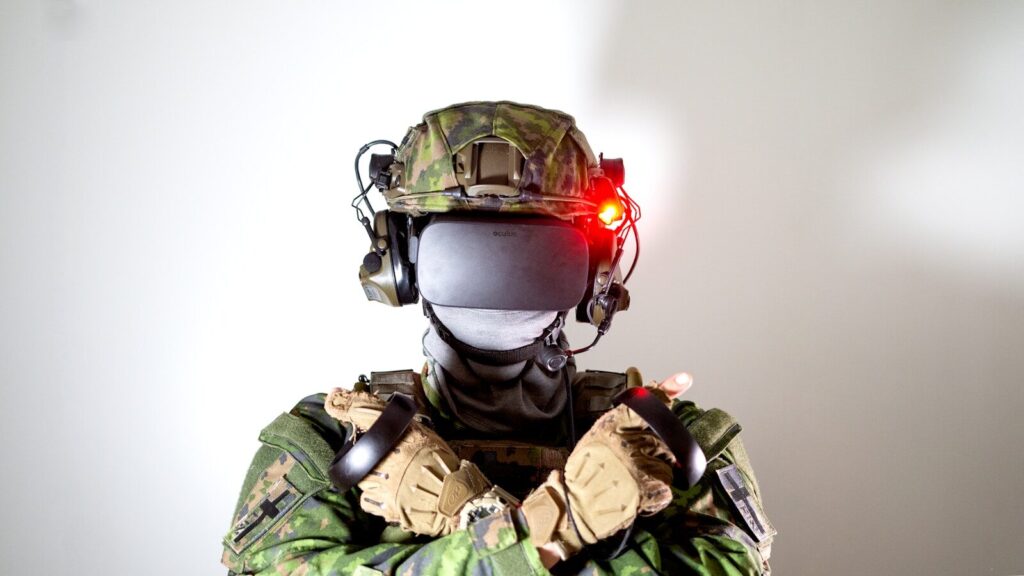
Project Maven represents a turning point in the evolution of warfare. By harnessing artificial intelligence to analyze vast streams of data, the U.S. military is attempting to gain a strategic edge in an increasingly complex global security environment.
Yet the rise of algorithmic warfare raises difficult questions about ethics, accountability and the future of military power.
As nations continue investing in AI technologies for defense, the challenge will be ensuring that these systems enhance security without creating new and unpredictable risks.
The future battlefield may not be defined only by weapons and soldiers—but by algorithms capable of interpreting the world faster than any human ever could.
Sources Bloomberg