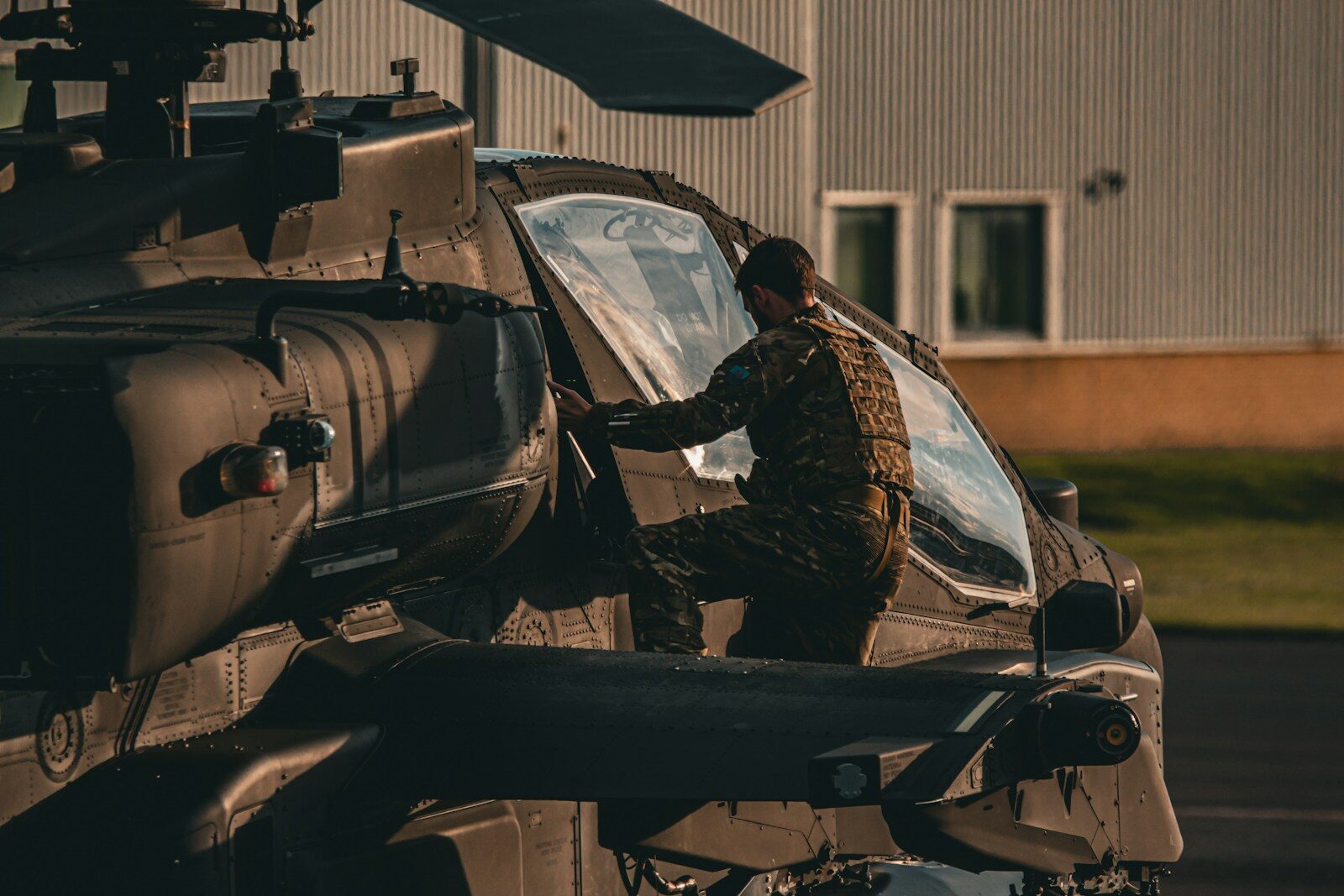
Artificial intelligence is no longer just a tool for writing emails, generating images, or powering recommendation algorithms. It is rapidly becoming a central component of modern warfare. In recent years, a growing network of technology companies—ranging from Silicon Valley startups to major defense contractors—has begun building AI-powered systems designed specifically for military applications.
This emerging ecosystem of AI defense companies is reshaping how nations prepare for conflict, how battles are fought, and how decisions are made on the battlefield. Governments, particularly in the United States and its allies, are investing billions of dollars into AI-driven military systems that promise faster decision-making, improved intelligence analysis, and increasingly autonomous weapons.
But as the AI defense industry grows, it also raises profound questions about ethics, accountability, and the future of warfare in an era where algorithms may influence life-and-death decisions.

The Rise of the AI Defense Sector
The defense technology landscape is undergoing a major transformation. For decades, military hardware was dominated by traditional defense contractors specializing in aircraft, missiles, and weapons systems. Today, artificial intelligence companies are becoming key players in national defense strategies.
These companies focus on building software systems that can analyze large datasets, automate decision-making processes, and support military operations in real time.
Key areas of AI defense development include:
- battlefield intelligence analysis
- autonomous drones and robotic systems
- predictive military simulations
- cybersecurity defense and cyber warfare tools
- real-time data processing for command centers
Governments increasingly rely on private technology firms to provide these capabilities because many of the most advanced AI innovations are happening outside traditional defense sectors.
Major Players in AI Military Technology
A new generation of technology companies is shaping the AI defense ecosystem. Some focus on software platforms for data analysis, while others develop physical autonomous systems such as drones or robotic vehicles.
Examples of companies working in this field include:
Defense Technology Startups
Many startups are building AI-driven platforms designed to improve military decision-making.
These systems analyze data from multiple sources such as:
- satellite imagery
- drone surveillance
- battlefield sensors
- intelligence reports
By integrating this data into unified platforms, AI systems can provide commanders with real-time situational awareness.
Large Technology Companies
Major technology firms also play an important role in defense AI development. Companies that specialize in cloud computing and advanced AI models provide infrastructure and computing power that military agencies rely on.
Their contributions often include:
- large-scale cloud computing platforms
- AI training models for intelligence analysis
- cybersecurity systems
- secure communications networks
These technologies form the digital backbone of modern military operations.
Traditional Defense Contractors
Established defense companies are also investing heavily in AI capabilities. Many are integrating AI into existing weapons systems such as aircraft, missile defense platforms and autonomous vehicles.
By combining traditional military hardware with advanced AI software, these companies aim to create more responsive and adaptive defense systems.
How AI Is Changing Warfare
Artificial intelligence has the potential to transform nearly every aspect of military operations.
Faster Intelligence Analysis
Modern warfare generates massive amounts of data. AI systems can analyze this information far faster than human analysts, identifying patterns and potential threats within seconds.
Autonomous Systems
AI enables drones, robotic vehicles and surveillance systems to operate with increasing independence. Some systems can navigate environments, identify targets and perform missions with minimal human control.
Decision-Support Systems
Military commanders increasingly rely on AI-driven simulations and predictive analytics to evaluate potential strategies before taking action.
Cyber Warfare
AI tools are used to detect cyber threats, defend networks and launch sophisticated digital attacks against adversaries.

The Ethical Debate Over Autonomous Weapons
One of the most controversial aspects of AI in warfare is the development of autonomous weapons systems.
These systems could potentially identify and attack targets without direct human intervention.
Critics argue that autonomous weapons raise serious concerns:
- loss of human oversight in lethal decisions
- difficulty assigning responsibility for mistakes
- potential escalation of conflicts through rapid automated responses
Supporters argue that AI-driven systems could improve accuracy and reduce casualties by making faster and more precise decisions.
International organizations and advocacy groups are pushing for regulations that limit or ban fully autonomous weapons.
The Global AI Arms Race
The United States is not alone in developing AI-powered military technologies.
Other countries investing heavily in AI defense systems include:
- China
- Russia
- Israel
- United Kingdom
- South Korea
- members of the European Union
China, in particular, has declared artificial intelligence a strategic priority and is integrating AI into military planning and surveillance systems.
This competition has led analysts to warn about an AI arms race, where nations race to develop increasingly advanced military technologies.
The Role of Venture Capital
One of the most notable trends in the AI defense sector is the influx of venture capital investment.
Technology investors are increasingly funding startups that build AI-powered defense technologies.
This shift reflects a broader recognition that national security is becoming a major driver of technological innovation.
Venture capital funding has supported the development of:
- autonomous drone systems
- AI-powered battlefield analytics platforms
- cybersecurity technologies
- advanced robotics
This investment ecosystem is accelerating the pace of innovation in military technology.
Risks and Challenges
Despite its potential advantages, AI-driven warfare presents several risks.
System Errors
AI systems can make mistakes if trained on incomplete or biased data.
Escalation Risks
Automated decision-making could accelerate conflicts by reducing the time available for human deliberation.
Cyber Vulnerabilities
AI systems themselves may become targets for cyberattacks or manipulation.
Accountability Issues
Determining responsibility for AI-driven decisions remains a complex legal and ethical challenge.
Governments and researchers are working to develop safeguards that ensure AI technologies remain under meaningful human control.
The Future of AI Warfare
Artificial intelligence is likely to play an increasingly important role in military operations over the coming decades.
Future developments may include:
- autonomous drone swarms
- AI-powered battlefield simulations
- predictive intelligence systems
- robotic logistics systems for military supply chains
- AI-assisted command centers
These technologies could fundamentally reshape how conflicts are conducted.
However, the challenge for policymakers will be ensuring that innovation is balanced with ethical oversight and international stability.
Frequently Asked Questions (FAQs)
1. What are AI defense companies?
AI defense companies develop technologies that use artificial intelligence to support military operations, including intelligence analysis, autonomous systems and cybersecurity tools.
2. Why are governments investing in AI for defense?
AI allows militaries to process large amounts of data quickly, improve decision-making and develop advanced autonomous systems.
3. What are autonomous weapons?
Autonomous weapons are systems that can identify and attack targets without direct human control. They remain highly controversial.
4. Are technology companies building weapons?
Many tech companies provide software, AI models or infrastructure that support defense systems rather than building physical weapons.
5. Why is AI considered strategically important for national security?
AI can provide advantages in intelligence gathering, cyber defense, automation and battlefield coordination.
6. Is there international regulation of AI in warfare?
Currently there are limited international rules governing AI weapons, though discussions about treaties and ethical guidelines are ongoing.
7. Could AI make wars more dangerous?
Some experts believe AI could accelerate conflicts or reduce human oversight, while others argue it could improve precision and reduce casualties.

Conclusion
The rapid rise of AI defense companies marks a major shift in the global security landscape. As artificial intelligence becomes increasingly central to military strategy, private technology firms are playing a growing role in shaping how nations prepare for and conduct warfare.
While AI offers powerful tools for improving intelligence, defense and coordination, it also introduces significant ethical and strategic challenges. Ensuring that these technologies remain under responsible control will require cooperation between governments, technology companies and international institutions.
The future of warfare may be defined not only by traditional weapons—but also by algorithms, data and the companies that build them.
Sources The Guardian