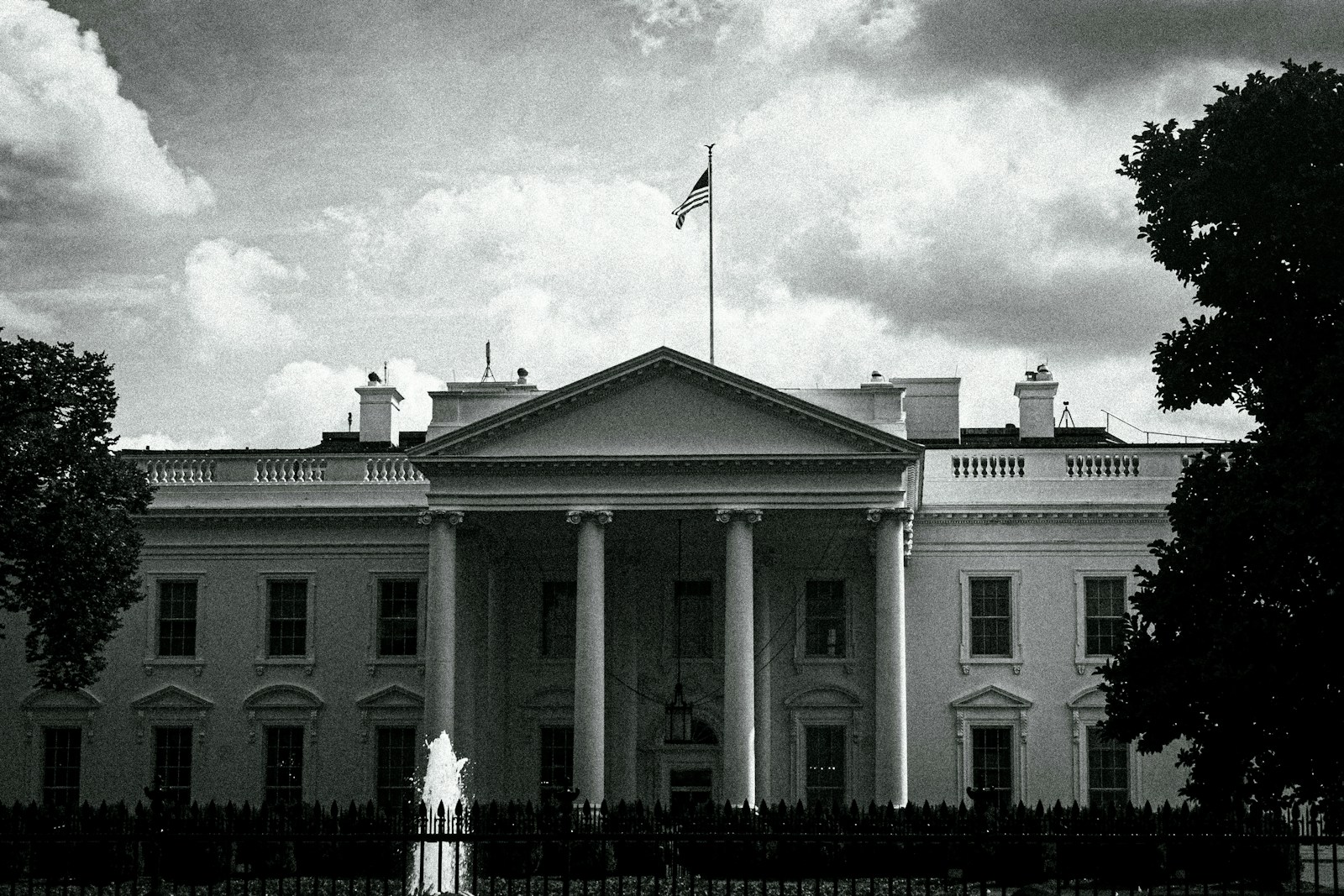
In late 2025, the Trump administration embarked on an unusually aggressive campaign: convincing or pressuring companies in dozens of industries to agree to deals that align with national‑security and industrial policy goals. From pharmaceuticals to AI, mining to semiconductors, the White House is mixing carrots (tariff relief, financing, equity stakes) and leverage (regulation, optics, supply chain demands) in an attempt to secure wins ahead of the 2026 midterm elections.
Here’s a deeper look into what’s happening, what it might mean, and what questions are still unanswered.

What We Know: The Deal Strategy in Motion
Scope & Ambition
- The administration is reportedly targeting up to 30 industries, engaging dozens of companies deemed critical for U.S. economic or national security.
- Sectors in focus include pharmaceuticals, AI, semiconductors, energy, critical minerals, mining, battery supply, freight, quantum computing, and renewable energy.
- The goal is not just symbolic deals, but shifting supply chains, boosting U.S. manufacturing, and reducing reliance on foreign powers (especially China).
Key Deal Tactics
- Tariff relief in exchange for concessions: companies may be asked to expand domestic production, commit to future purchases, or accept equity stakes by the government.
- Revenue guarantees or minimum purchase commitments: to reduce risk for private firms investing in U.S. capacity.
- Equity stakes / “golden shares”: applying partial state ownership or control in strategic firms.
- Using grant and incentive programs as levers: converting funding (e.g. under CHIPS Act) into equity or control rights.
- Federal agencies as dealmakers: agencies like Commerce and the U.S. International Development Finance Corporation (DFC) are being repurposed to facilitate these deals.
- White House optics & coordination: the deals are often crafted to be announced from the Oval Office, giving them political theater and signaling.
- “Whole-of-government” approach: multiple agencies, from Health & Human Services to Commerce, are involved in pressuring or negotiating with firms.
Recent Examples & Signals
- Pharma push: Eli Lilly has been asked to increase insulin production; Pfizer to ramp up output of key drugs.
- Pfizer deal: Trump announced (publicly) a deal to cut drug prices in return for tariff relief.
- Intel & U.S. Steel: The government has already converted grants into equity positions, e.g. securing a 10% stake in Intel.
- MP Materials (critical minerals): The Pentagon took a stake and established purchase guarantees, setting a template for future deals.
- Lithium & energy minerals: In loan deals (e.g. via DOE), the government has asked companies to shoulder equity terms.
- White House pressure: Eli Lilly was reportedly rebuked for making an announcement without giving the president credit, illustrating the political sensitivity of how deals are presented.
Financing & Tools
- DFC expansion: The International Development Finance Corporation is proposed to be retooled with a larger budget (from ~$60B to ~$250B) to serve as a financing arm for strategic sectors.
- Use of existing grant programs: Tap into CHIPS, energy, and infrastructure programs to steer policy.
- Mandates & conditions: Many deals come with strings — localization requirements, performance metrics, or offtake guarantees.
What’s Missing in the Headlines — Critical Nuances & Context
To fully assess this campaign, it’s vital to surface what’s not yet fully reported or may be glossed over:
1. Corporate Pushback, Risks & Negotiation Power
- Some companies may refuse or resist terms, especially if the demanded concessions threaten long‑term profitability or autonomy.
- The balance of power is not always in the government’s favor — firms may push back, renegotiate, or threaten to move investment elsewhere.
- The reputational risk for firms seen as too cozy with government interventions is nontrivial.
2. Legal, Regulatory & Constitutional Questions
- Equity stakes or government takeovers may provoke legal scrutiny, challenges around executive authority, or constitutional questions (e.g. limits on state control of private firms).
- Future administrations may reverse or unwind deals, creating policy risk and investment uncertainty.
3. Market & Investment Uncertainty
- The sudden shift toward industrial policy by a Republican administration represents a break from classical laissez-faire principles; markets may react with volatility or caution.
- M&A activity and capital flows could be delayed or reshaped by uncertainty over which sectors will be favored (or penalized).
- Higher tariffs and countermeasures from trading partners may deter foreign direct investment (FDI).
4. Implementation, Speed & Scaling Challenges
- Managing dozens of complex deals across multiple sectors is operationally heavy.
- Ensuring performance oversight, compliance, and adjudicating disputes requires robust institutional capacity.
- Risk of delays, cost overruns, or failures in scaling domestic manufacturing may erode political gains.
5. Ethical, Governance & Fairness Concerns
- The criteria for selecting which firms get favorable deals may appear arbitrary, politically motivated, or biased toward certain players.
- Smaller firms without lobbying clout might be squeezed out.
- The potential for corruption or rent-seeking increases when government stakes and incentives are large.
6. The International Backlash & Trade Conflict Risk
- Tariff relief or subsidies to U.S. companies could provoke retaliation from trade partners.
- The shift may accelerate decoupling, but also invite trade wars or WTO disputes.
- Global supply chains might bifurcate — increasing global fragmentation and risk.
What This Could Mean: Scenarios & Impacts
- Industrial Rebalancing
In targeted sectors, we could see reshoring of manufacturing, renewed domestic supply chains, and deeper public-private alignment in critical infrastructure. - Stronger State Role in Industry
The government may evolve from regulator to joint operator, especially in strategic fields — reshaping the traditional U.S. economic order. - Political Leverage & Election Play
By delivering visible “wins” — factories, jobs, investment — the administration hopes to sway voters, especially in swing states reliant on manufacturing. - Increased Polarization & Regulatory Whiplash
If future administrations reverse deal-driven policies, volatility and uncertainty could deter long-term investment strategies. - Strategic Fragmentation
Industries may split between “favored” strategic players embedded in government alliances and independent firms that must operate without support. - Global Realignment
Other nations may respond with their own industrial policies, accelerating global competition for supply chains, sovereignty, and strategic autonomy.
Frequently Asked Questions (FAQs)
Q1. Why is the administration pushing these deals now?
They aim to turn industrial momentum into political advantages before the 2026 midterms, while reshaping U.S. strategic capacity in key sectors. Deals are visible, tangible achievements that can be publicized in battleground states.
Q2. Do these deals violate free-market or Republican economic principles?
On paper, yes — this approach moves toward industrial planning and state intervention, which conflicts with classical laissez-faire ideology. But political priorities, national security framing, and shifting party dynamics may justify the departure as pragmatism.
Q3. Are companies being compelled, or participating voluntarily?
It appears to be a mix. Some firms are approached (or pressured) by the White House and agencies. Others may see advantage in accessing incentives, tariff relief or future government contracts. But not all will accept terms.
Q4. What happens if the next administration reverses these deals?
There is a significant risk of policy reversal. Companies may face renegotiation, unwinding of equity arrangements, or contract disputes. That risk increases uncertainty and may dissuade long-term capital commitments.
Q5. Could this strategy backfire?
Yes. Possible downsides:
- Firms opt out or curtail investment
- Lawsuits and regulatory challenges
- Backlash from trading partners
- Political accusations of cronyism or favoritism
- Deals that fail to deliver promised jobs or capacity, undermining public trust
Q6. How will smaller firms or startups fit into this picture?
They may be marginalized unless they tie into strategic supply chains or niche specialties. Larger firms with scale, lobbying capacity, or strategic importance are more likely to be targeted for favorable deals.
Q7. Will this dampen mergers & acquisitions (M&A)?
It might reshuffle M&A dynamics. Some deals could be accelerated by loosened antitrust enforcement; others may be made more complex by government stakes or regulatory conditions. The environment may favor certain sectors over others.
Q8. What should investors or companies do now?
- Monitor policy signals and sector prioritization
- Factor political risk and deal reversal risk into valuation
- Build relationships and positioning in targeted industries
- Prepare to comply with potential conditions (localization, performance)
- Diversify supply chains to buffer against abrupt shifts

Sources Reuters