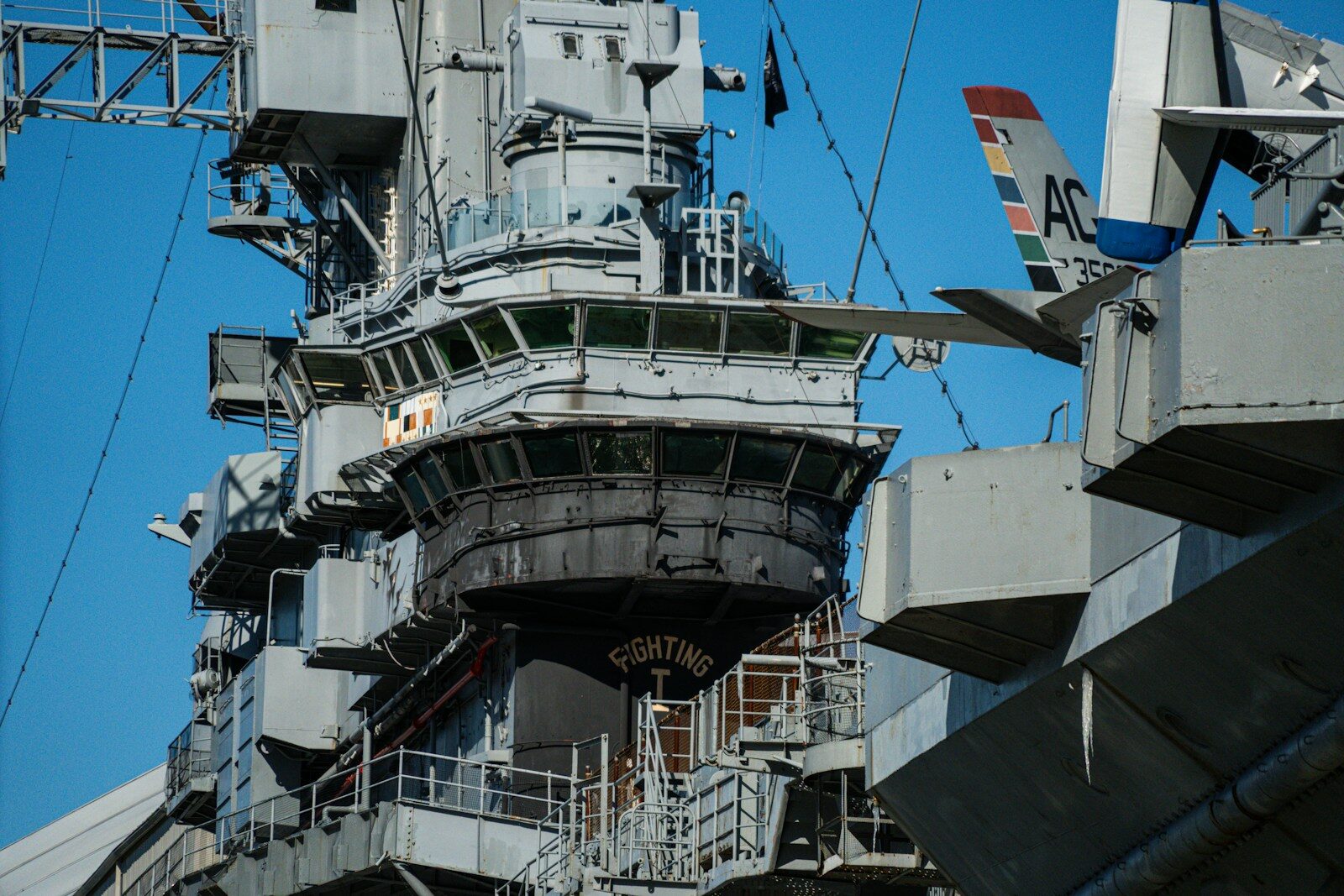
In a striking glimpse of the future of military technology, the U.S. Navy is experimenting with wall-climbing robotic swarms—small, agile machines capable of scaling vertical surfaces on warships while performing inspection, surveillance and potentially even defense-related tasks.
These robots, powered by artificial intelligence and advanced mobility systems, represent a new class of military tools designed to operate in environments that are difficult—or dangerous—for human personnel. By combining swarm intelligence with physical adaptability, they signal a broader shift toward autonomous, distributed systems in modern warfare.
What may look like science fiction is quickly becoming a practical solution to real-world military challenges.
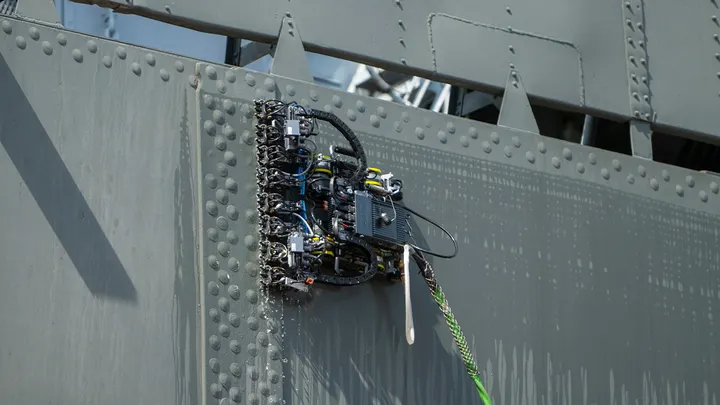
What Are Wall-Climbing Robot Swarms?
Wall-climbing robots are compact machines equipped with specialized mechanisms that allow them to adhere to and move across vertical or inverted surfaces.
These systems may use:
- magnetic adhesion for metal surfaces
- vacuum suction systems
- gecko-inspired adhesive materials
- micro-spines that grip rough textures
When deployed in groups, these robots form swarms—coordinated units that can work together using AI algorithms.
Swarm robotics allows multiple robots to:
- share data in real time
- divide tasks dynamically
- adapt to changing environments
- continue functioning even if some units fail
This makes them highly resilient and efficient in complex scenarios.
Why the Navy Is Interested in Climbing Robots
Naval vessels are massive, complex structures that require constant inspection and maintenance.
Key challenges include:
- hard-to-reach surfaces on ship hulls
- corrosion and structural wear
- safety risks for human inspectors
- time-consuming manual inspections
Wall-climbing robots offer a solution by:
- navigating ship exteriors without scaffolding
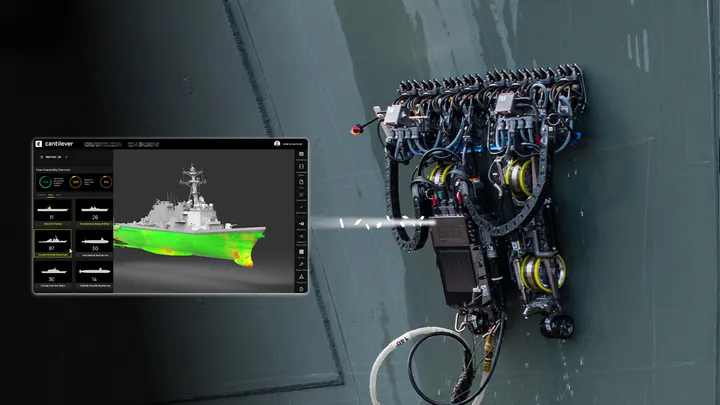
- inspecting surfaces for damage or defects
- collecting high-resolution visual and sensor data
- operating in hazardous conditions
This can significantly reduce maintenance time and improve safety.
Beyond Inspection: Expanding Military Applications
While inspection is the most immediate use case, these robotic systems have broader potential in defense operations.
Surveillance and Reconnaissance
Robots can monitor ship surfaces or nearby structures, providing real-time intelligence.
Security and Threat Detection
Swarm robots could detect unauthorized access, explosives or tampering on vessels.
Damage Assessment
After an attack or accident, robots can quickly assess structural damage without risking human lives.
Autonomous Repairs
Future systems may be able to perform minor repairs, such as sealing cracks or applying protective coatings.
The Power of Swarm Intelligence
One of the most important aspects of these robots is their ability to operate as a swarm.
Instead of relying on a single machine, swarm systems distribute tasks across multiple units.
Advantages include:
- redundancy (if one robot fails, others continue)
- faster coverage of large surfaces
- adaptability to complex environments
- decentralized decision-making
Swarm intelligence is inspired by natural systems such as ants or bees, where simple individual behaviors combine to create complex group outcomes.
AI at the Core of Robotic Coordination
Artificial intelligence plays a crucial role in enabling these robots to function effectively.
AI systems help robots:
- map and navigate surfaces
- avoid obstacles
- coordinate with other robots
- analyze collected data
- adapt to changing conditions
Machine learning algorithms can also improve performance over time, allowing robots to become more efficient with repeated use.
The Role of Robotics in Modern Naval Strategy
The development of climbing robot swarms reflects a broader trend in military strategy: the integration of autonomous systems into defense operations.
Navies around the world are investing in:
- autonomous underwater vehicles
- drone swarms for surveillance
- AI-powered navigation systems
- robotic maintenance tools
These technologies aim to:
- reduce reliance on human labor in dangerous environments
- increase operational efficiency
- enhance situational awareness
- improve response times during emergencies
Challenges and Limitations
Despite their potential, wall-climbing robotic systems face several challenges.
Technical Complexity
Maintaining stable adhesion on different surfaces and conditions (e.g., wet, corroded or uneven metal) can be difficult.
Power and Battery Life
Small robots must balance mobility with energy efficiency.
Communication Constraints
Swarm coordination requires reliable communication, which can be challenging in certain environments.
Cybersecurity Risks
Autonomous systems must be protected from hacking or interference.
Addressing these challenges will be critical for widespread adoption.
Ethical and Strategic Considerations
As with many AI-driven military technologies, these systems raise important questions.
- Should autonomous systems be allowed to operate without direct human control?
- How can accountability be ensured if something goes wrong?
- Could similar technologies be used offensively rather than defensively?
While current applications focus on maintenance and inspection, the underlying technology could potentially be adapted for more aggressive uses.
The Future of Robotic Swarms in Defense
The use of wall-climbing robots may be just the beginning.
Future developments could include:
- self-repairing ships using robotic systems
- autonomous defense mechanisms integrated into vessels
- coordinated swarms operating across air, sea and land
- AI systems capable of managing entire fleets of robots
As technology advances, robotic swarms could become a standard feature of military operations.
Frequently Asked Questions (FAQs)
1. What are wall-climbing robots?
They are robots designed to move across vertical or inverted surfaces using technologies like magnets, suction or adhesive materials.
2. Why is the Navy using these robots?
They help inspect ships, improve safety, reduce maintenance costs and provide real-time data.
3. What is swarm robotics?
Swarm robotics involves multiple robots working together using AI to complete tasks efficiently and collaboratively.
4. Can these robots be used in combat?
Currently, they are mainly used for inspection and maintenance, but similar technologies could potentially be adapted for defense or offensive purposes.
5. How do robots stick to ship surfaces?
They use technologies such as magnetic adhesion, suction or specialized materials that mimic natural adhesion systems.
6. Are these robots fully autonomous?
Many systems use AI for navigation and coordination, but human oversight is typically maintained.
7. What challenges do these robots face?
Challenges include power limitations, environmental conditions, communication reliability and cybersecurity risks.
Conclusion
Wall-climbing robotic swarms represent a fascinating intersection of artificial intelligence, robotics and military innovation. By enabling machines to navigate complex physical environments and work collaboratively, these systems offer new ways to maintain, protect and enhance naval operations.
As defense technologies continue to evolve, the integration of autonomous systems like these will likely play a critical role in shaping the future of warfare. What begins as a tool for inspection today could become a cornerstone of next-generation military strategy tomorrow.
Sources Fox News