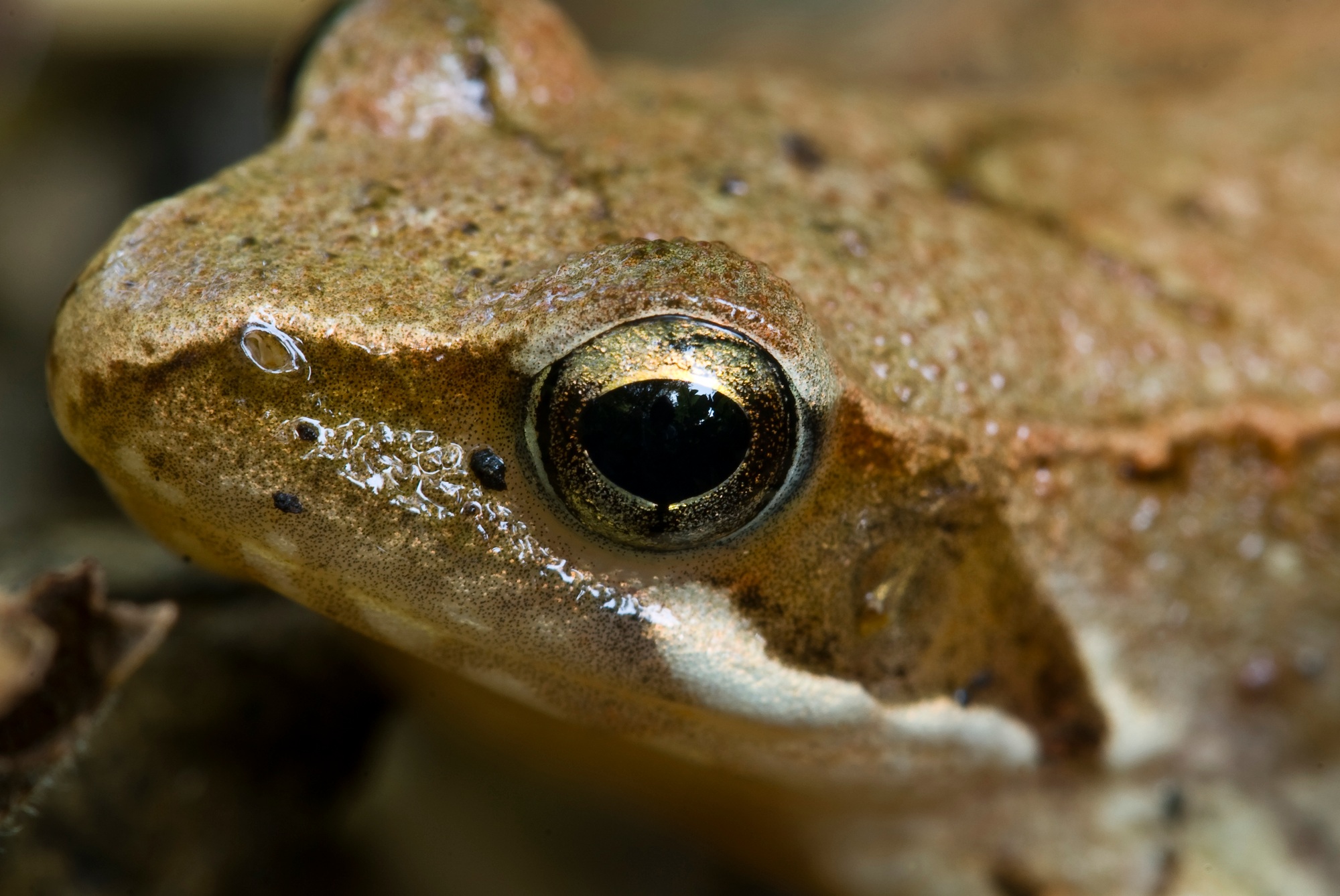
A unique blend of technology, fieldwork, and environmental stewardship is bringing back a once-threatened amphibian to its natural habitat in California. The California red-legged frog—once driven nearly to extinction—is hopping back into the spotlight, thanks to the powerful partnership between AI and conservationists.

🐸 A Species in Crisis
The California red-legged frog was once widespread throughout California, stretching from Baja to the Sierra Nevada. However, decades of habitat destruction, pollution, invasive bullfrogs, climate change, and even historical overharvesting for food led to a staggering 70% loss in its range.
By the mid-1990s, the species had vanished from Southern California, creating a 260-mile void between northern and southern populations.
🚁 A High-Stakes Relocation Effort
To combat this loss, environmental agencies, researchers, and landowners launched a strategic recovery program:
- Frog eggs were transported from stable populations in Baja to restored ponds in San Diego and Riverside counties.
- Transport methods included helicopters and coolers, ensuring the delicate egg masses stayed intact during the journey.
- Ponds were cleared of invasive bullfrogs, and native wetland environments were recreated to mimic the frog’s natural habitat.
- Despite all these efforts, fewer than 1% of wild-laid frog eggs survive to become tadpoles. Success was far from guaranteed.
🎧 Letting AI Do the Listening
Here’s where artificial intelligence made the difference:
- Audio sensors were deployed at several restored sites to monitor for the frog’s distinctive nighttime mating calls.
- A custom AI model was trained to detect red-legged frog calls while filtering out the noise of birds, insects, and other frog species.
- Instead of sifting through thousands of hours of audio manually, AI flagged moments of interest and alerted researchers.
- Ultimately, the AI detected the frog’s mating calls—marking the first confirmed breeding of the relocated population in decades.
Shortly after the AI-triggered detection, researchers found new egg masses in the wild, proving that the frogs weren’t just surviving—they were thriving.
🌍 Why This Victory Matters
This isn’t just about saving a single species. The frog’s resurgence has far-reaching environmental implications:
- Frogs are ecological indicators: Their health reflects the overall wellbeing of wetland ecosystems.
- Restored wetlands benefit other species, including endangered predators like the San Francisco garter snake.
- AI-based acoustic monitoring opens doors for conservation at scale—monitoring dozens of species across multiple locations, all in real-time.
📈 Challenges Ahead
The success is exciting, but fragile. Key challenges remain:
- AI model refinement: Early tests misidentified bird chirps as frog calls. Continued training is essential.
- Real-time alerts: Developers are building systems that notify researchers instantly when frog activity is detected.
- Long-term survival: Without ongoing habitat management and bullfrog suppression, the red-legged frog could vanish again.
❓ Frequently Asked Questions
Q: Why use AI instead of traditional monitoring?
AI allows round-the-clock, remote audio analysis—saving labor, reducing error, and offering faster data collection.
Q: How accurate is the AI in identifying frog calls?
After initial tuning, the AI reached high accuracy rates. Some early false positives occurred, but the system continues to improve.
Q: Is this frog fully re-established now?
One successful breeding is promising, but long-term monitoring is needed to confirm a stable population.
Q: Can this approach work for other endangered species?
Yes! The same acoustic AI can be adapted for different species and ecosystems, making it a powerful conservation tool.
Q: What’s next for the frog’s recovery?
Ongoing habitat management, invasive species control, and AI-driven monitoring will continue to guide restoration efforts.
🌱 Final Thought
This story proves what’s possible when cutting-edge AI meets good old-fashioned conservation grit. Thanks to muddy boots and smart tech, the California red-legged frog is croaking its way back into our wetlands—and into ecological history.

Sources NPR