
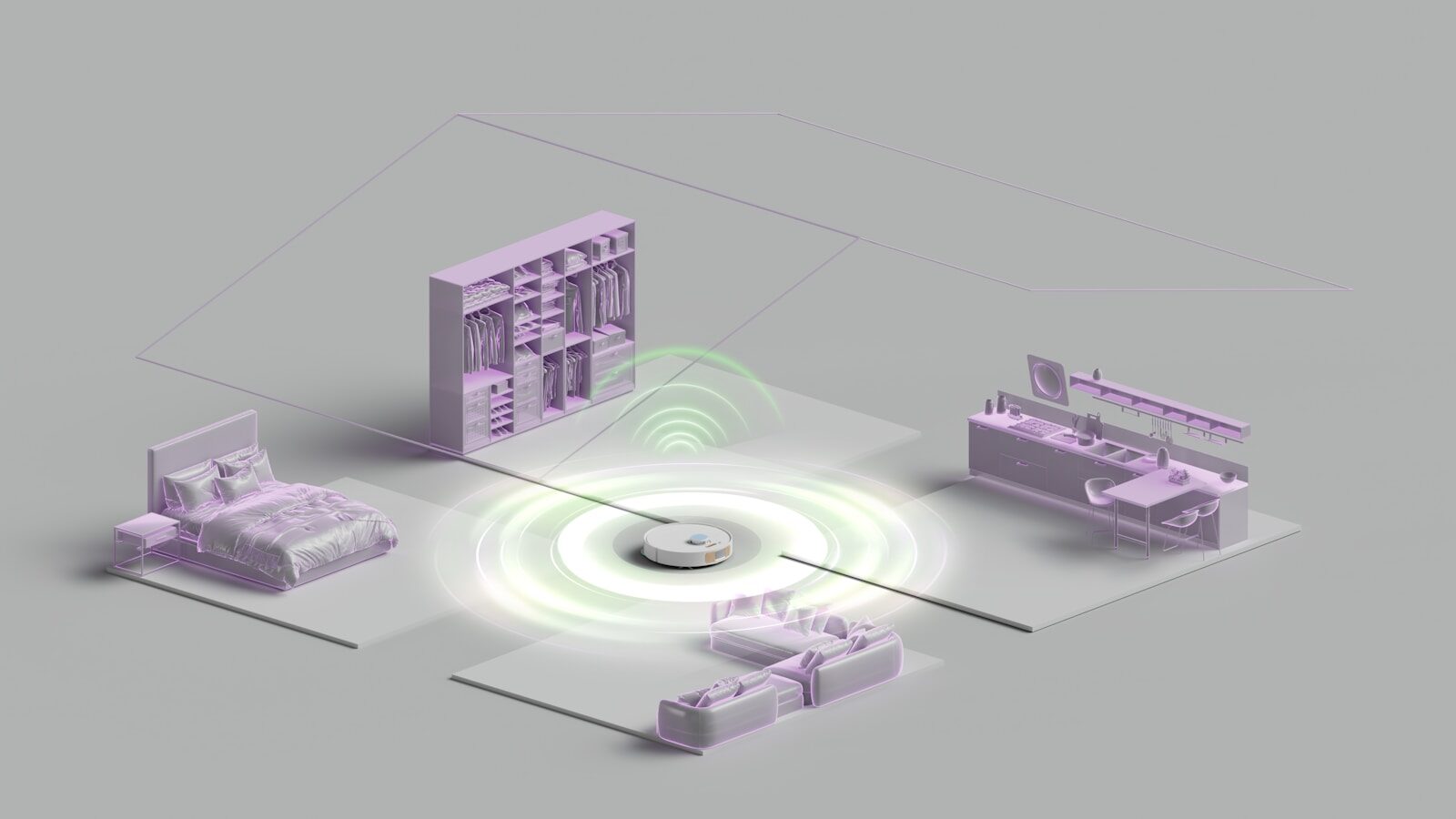
What If You Never Had to Do Housework Again?
Imagine this:
No more cleaning.
No more laundry.
No more daily chores.
👉 A robot handles it all—just like a human would.
This isn’t science fiction anymore.
A new generation of humanoid robots is being designed to live in your home and take over everyday tasks—and developers say they’re closer to reality than ever.
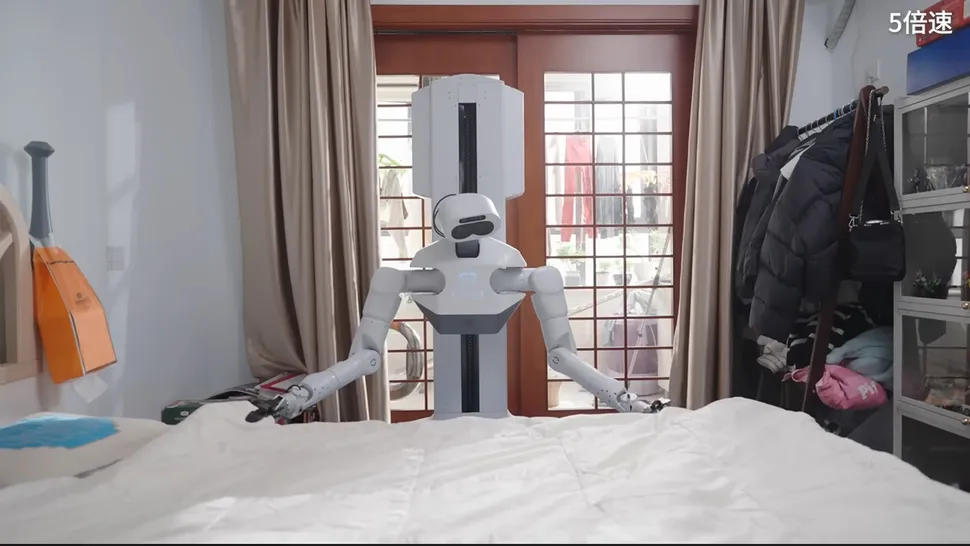
🤖 What This Humanoid Robot Can Actually Do
Unlike traditional robots that perform one task, this new humanoid robot is built to:
- Clean floors and surfaces
- Do laundry
- Organize household items
- Assist with basic daily routines
- Navigate human environments
👉 The key difference:
It’s designed to function in a human-shaped world.
🧠 Why Humanoid Design Matters
Most homes are built for humans—not machines.
That means:
- Doors
- Furniture
- Tools
- Appliances
👉 All require human-like interaction.
A humanoid robot can:
- Open doors
- Pick up objects
- Use tools
👉 Without redesigning your entire home.
⚙️ How It Works: The Tech Behind the Robot
This robot combines several advanced technologies:
1. AI-Powered Vision
- Recognizes objects
- Understands environments
- Navigates rooms safely
2. Machine Learning
- Learns tasks over time
- Adapts to different homes
3. Robotic Dexterity
- Human-like hands
- Precise movements
4. Autonomous Decision-Making
- Chooses what tasks to perform
- Adjusts based on surroundings
👉 It’s not just following commands—it’s interpreting and acting.
🚀 Why This Is a Big Deal
This isn’t just another gadget.
👉 It represents a shift from:
- Smart homes → Autonomous homes
Potential impact:
- Saves time
- Reduces physical workload
- Assists elderly or disabled individuals
🔍 What the Original Article Didn’t Fully Explore
Let’s go deeper into the real implications:
1. The Economics of Home Robotics
These robots will likely:
- Be expensive at first
- Become cheaper over time
👉 Similar to:
- Smartphones
- TVs
- Computers
2. The Labor Shift at Home
Household work is:
- Time-consuming
- Often unpaid
AI robots could:
👉 Redistribute time toward:
- Work
- Leisure
- Family
3. Privacy Concerns
A robot in your home means:
- Cameras
- Sensors
- Data collection
👉 Risks include:
- Data misuse
- Surveillance concerns
4. Emotional and Social Impact
People may:
- Form attachments to robots
- Treat them like companions
👉 This raises questions about:
- Human relationships
- Emotional dependence
5. Maintenance and Reliability Challenges
Robots must:
- Work consistently
- Handle unpredictable situations
👉 Failures could:
- Cause inconvenience
- Create safety risks
⚠️ The Challenges: Why It’s Not Mainstream Yet
1. Cost
Still too expensive for most households.
2. Complexity
Homes are unpredictable environments.
3. Safety
Robots must operate safely around humans.
4. Trust
People need to feel comfortable letting robots operate independently.
🏢 Who Will Use These First?
1. High-Income Households
2. Tech Enthusiasts
3. Elderly Care Environments
4. Assisted Living Facilities
👉 Adoption will likely start small and expand over time.
🛠️ What Needs to Improve
For widespread adoption, robots must:
✅ Become More Affordable
✅ Improve Reliability
✅ Enhance Safety Systems
✅ Build User Trust
👉 These are the biggest barriers.
🔮 The Future: A Robot in Every Home?
We’re moving toward a world where:
👉 Robots handle:
- Cleaning
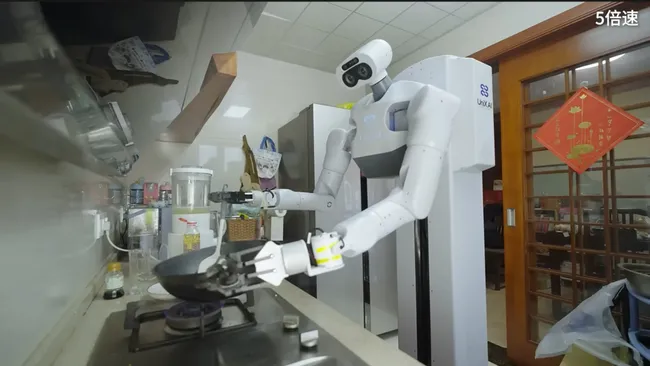
- Cooking (eventually)
- Daily routines
Long-term vision:
- Fully automated homes
- AI-managed households
👉 The timeline is uncertain—but the direction is clear.
❓ Frequently Asked Questions
1. What can humanoid home robots do?
They can perform household tasks like cleaning, organizing, and assisting with daily routines.
2. Are these robots available now?
Some prototypes exist—but widespread consumer availability is still limited.
3. How much do they cost?
Currently expensive—but expected to decrease over time.
4. Are they safe?
Safety is a major focus—but still being refined.
5. Will robots replace human domestic work?
They may reduce it—but not eliminate all human involvement.
6. What’s the biggest challenge?
👉 Making robots reliable, affordable, and trustworthy.
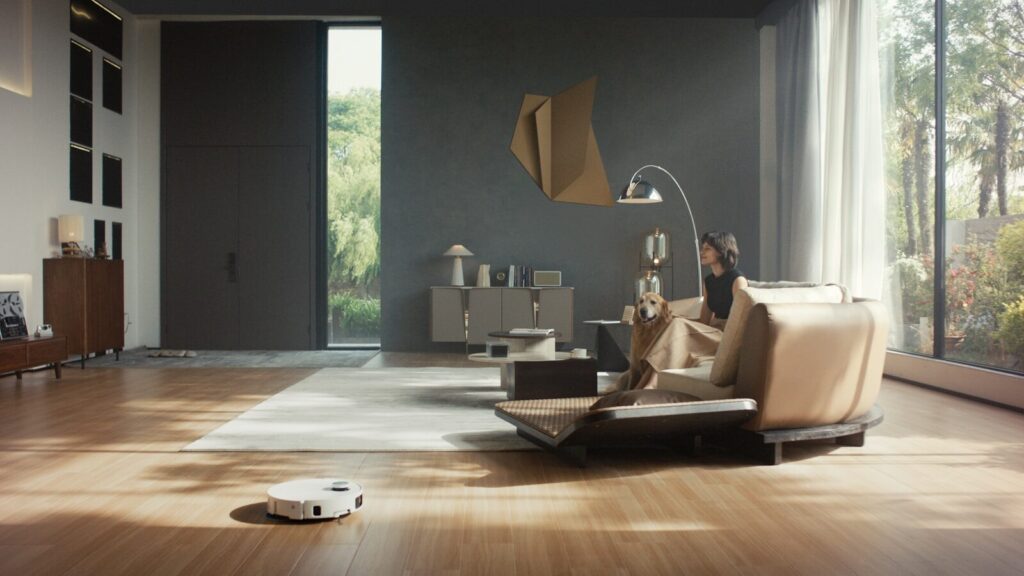
🔥 Final Thought
For decades, robots in the home felt like a distant dream.
Now, they’re stepping into reality.
And soon…
👉 The question won’t be whether robots can do your chores—
It’ll be whether you still want to do them yourself.
Sources Live Science

