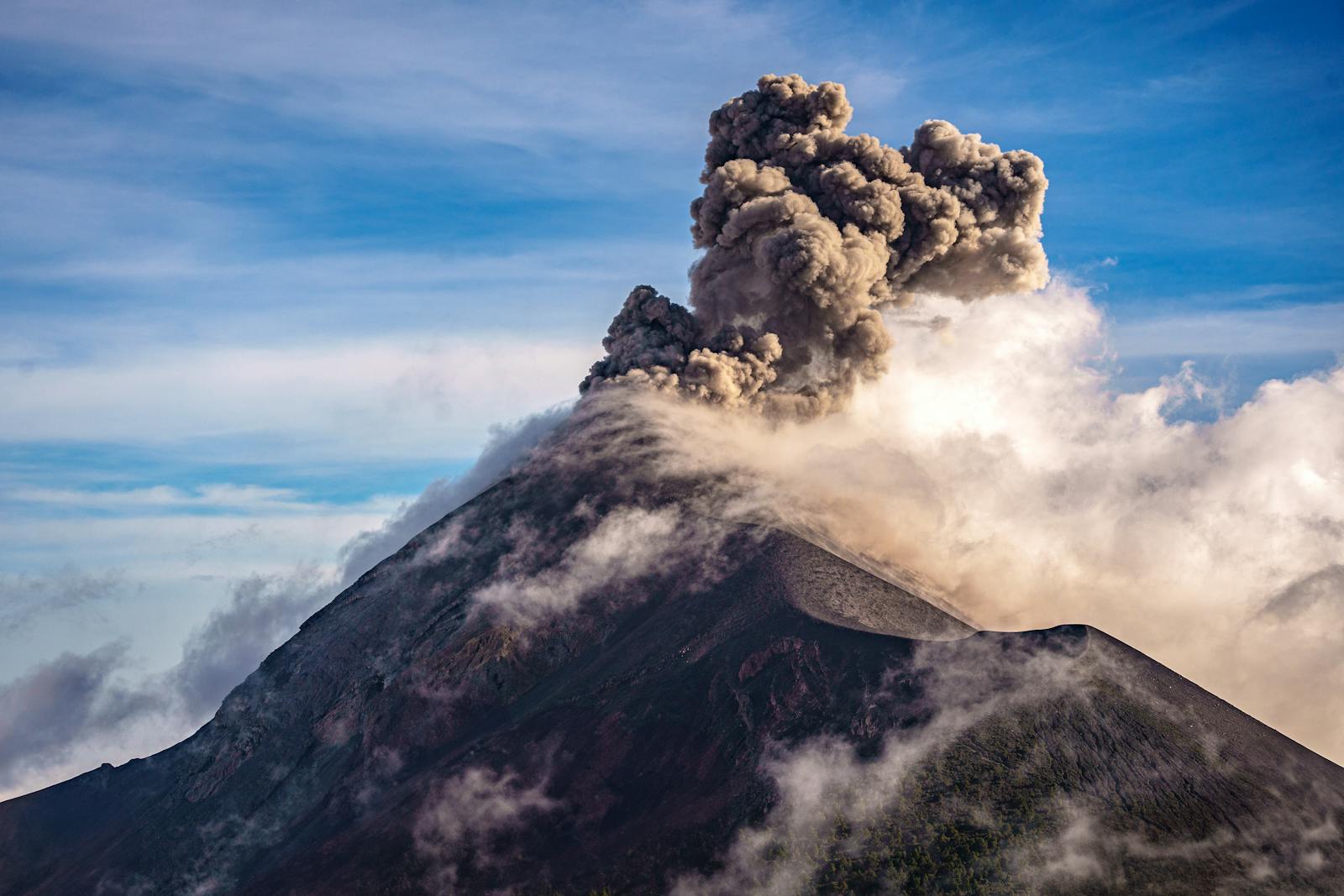
In a bold step forward for public safety, Tokyo’s Metropolitan Government has released a chilling AI-generated video simulating a potential eruption of Mount Fuji. Far more than cinematic spectacle, this video serves as a crucial public-awareness tool, highlighting the urgent need for readiness in the face of disaster.

What the Video Reveals
- A Visual Wake-Up Call
Created with generative AI, the simulation depicts Mount Fuji erupting in dramatic fashion. A towering ash column rolls across the sky, databases of ash inundate Tokyo, and everyday life rapidly descends into chaos—sky darkens, public transport grinds to a halt, power and communications falter in minutes. - Stark, Realistic Scenarios
The AI video isn’t an abstract concept—it shows ash possibly reaching Tokyo in just 1–2 hours, blanketing streets under 2 to 10 cm of ash, depending on wind and eruption severity. The fallout disrupts infrastructure, clogs machinery, and endangers public health. - Powerful Messaging
A voice warns: “We don’t know when Mount Fuji will erupt—but when it does, ashfall could disrupt our entire lives.” The visual alarm is paired with action advice: stock up on essentials, avoid needless travel, and prepare for the unexpected.
Why This Matters
- From Dormant Icon to Active Threat
Mount Fuji hasn’t erupted in over 300 years. While its slumber may lull residents into complacency, experts say the next eruption is not a matter of “if”—but of “when.” - Resilience Through Simulation
In 2025, Japan released its first-ever ashfall guidelines for such a disaster. The government now urges residents to stay home and stockpile at least two weeks of supplies, especially in heavy ash situations where evacuation may be impossible. - Next-Gen Emergency Technology
Beyond visuals, Japan is deploying AI-based disaster tools that analyze social media, traffic patterns, and weather data. These systems deliver real-time crisis insights to responders—further enhancing readiness and response speed.
FAQs: All You Need to Know
| Q | A |
|---|---|
| Why create an AI eruption video? | To turn abstract fears into urgent action, showing people the real consequences—and reminding them to prepare now. |
| How quickly could ash reach Tokyo? | Simulations show potential for ash to start falling within just one to two hours. |
| How much ash? | Forecasts estimate 2 to 10 cm could blanket Tokyo, enough to clog transport and damage infrastructure. |
| What should residents do? | Stay indoors when possible, stock up on food, water, masks, and goggles—and follow government ashfall guidelines. |
| How is AI being used elsewhere in planning? | Tools like Spectee Pro analyze social data and weather to provide instant insights during disasters—crucial for quick, informed responses. |
Final Thought
This AI-rendered eruption isn’t sci-fi—it’s a timely warning. It challenges us to break our complacency and view preparedness not as a choice, but as a civic duty. When technology turns visualization into urgency, action becomes more than reaction—it becomes survival.

Sources CNN