

The AI Boom Is Creating Jobs… and Destroying Them
Meta is laying off thousands of employees.
Not because it’s failing.
👉 But because it’s pivoting harder into AI.
This is the new paradox of the tech industry:
👉 The same technology driving growth is also eliminating jobs.
And Meta’s decision to cut around 10% of its workforce is a clear signal:
👉 The AI era isn’t just coming—it’s already reshaping the workforce.
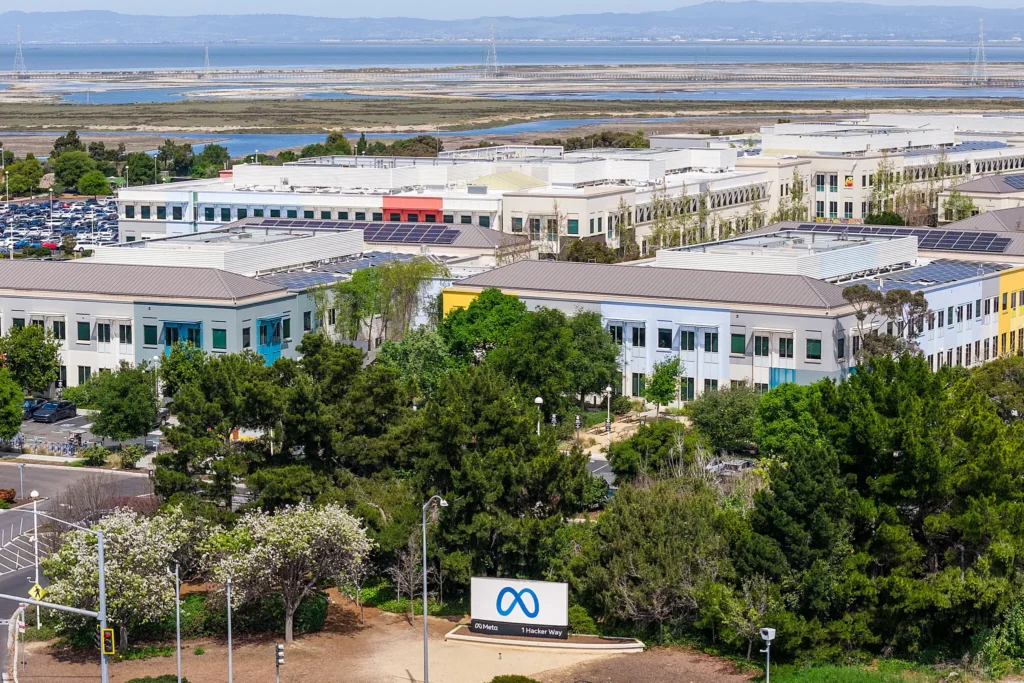
📉 What’s Happening at Meta
Meta (the parent company of Facebook, Instagram, and WhatsApp) is:
- Cutting a significant portion of its workforce
- Redirecting resources toward AI development
- Prioritizing efficiency and automation
Why?
Because AI is now central to:
- Content recommendation
- Advertising systems
- Product development
- Future platforms (like the metaverse)
👉 In short:
AI is no longer a side project—it’s the core strategy.
🤖 Why AI Leads to Layoffs
1. Automation Replaces Tasks
AI can now handle:
- Data analysis
- Content moderation
- Customer support
- Coding assistance
👉 Fewer people are needed for the same output.
2. Efficiency Becomes Priority
Companies are asking:
👉 “How can we do more with less?”
AI provides the answer.
3. Resource Reallocation
Money and talent are shifting toward:
- AI research
- Infrastructure
- Advanced engineering
👉 Other roles get cut to fund this shift.
4. Competitive Pressure
Meta is competing with:
- Microsoft
- OpenAI
👉 Falling behind in AI is not an option.
🔍 What the Original Article Didn’t Fully Explore
Let’s go deeper into the broader implications:
1. This Isn’t Just Meta—It’s a Trend
Across the tech industry:
- Companies are cutting roles
- While investing heavily in AI
👉 This is a structural shift—not a one-time event.
2. The Rise of “Lean Tech Companies”
Future companies will:
- Employ fewer people
- Use more AI
- Scale faster
👉 Smaller teams, bigger output.
3. Middle Roles Are Most at Risk
Jobs most affected:
- Mid-level analysts
- Support roles
- Routine knowledge work
👉 Entry-level and highly specialized roles may be safer—for now.
4. AI Is Changing Hiring, Not Just Firing
Companies are now hiring for:
- AI engineers
- Data scientists
- Machine learning experts
👉 Demand is shifting—not disappearing.
5. The Psychological Impact
Layoffs tied to AI create:
- Fear
- Uncertainty
- Distrust of technology
👉 Workers feel replaced—not just restructured.

⚖️ The Trade-Off: Innovation vs Employment
✅ Benefits of AI Investment
- Faster innovation
- Higher productivity
- New products and services
⚠️ Costs
- Job losses
- Workforce disruption
- Economic inequality
👉 Progress comes with consequences.
🏢 Who Benefits Most?
1. Tech Companies
2. Shareholders
3. AI Specialists
4. Early Adopters
👉 The gains are unevenly distributed.
🛠️ What Workers Should Do Now
✅ 1. Learn AI Skills
Understand how to use and work with AI
✅ 2. Focus on Human Strengths
- Creativity
- Strategy
- Communication
✅ 3. Stay Adaptable
Be ready to:
- Reskill
- Shift roles
✅ 4. Think Long-Term
Ask:
👉 “Will this role still exist in 5 years?”
🔮 The Future: Fewer Jobs, Different Jobs
We’re moving toward a world where:
👉 AI handles:
- Repetitive tasks
- Data-heavy work
Humans focus on:
- Decision-making
- Creativity
- Oversight
👉 The workforce isn’t disappearing.
👉 It’s transforming.
❓ Frequently Asked Questions
1. Why is Meta laying off employees?
To:
👉 Cut costs and invest more heavily in AI.
2. Are these layoffs caused by AI?
Partly.
👉 AI enables efficiency, reducing the need for certain roles.
3. Will more companies do this?
Yes.
👉 This is becoming an industry-wide trend.
4. Which jobs are most at risk?
- Routine tasks
- Mid-level knowledge work
5. What jobs are growing?
- AI-related roles
- High-skill, creative positions
6. What’s the biggest takeaway?
👉 AI is reshaping the workforce—fast.

🔥 Final Thought
Meta’s layoffs aren’t just about one company.
They’re about a turning point.
A moment where technology stops just helping workers—
👉 And starts replacing parts of them.
The question now isn’t whether AI will change jobs.
👉 It’s how fast—and who will be ready when it does.
Sources The New York Times

