

Artificial intelligence is transforming industries worldwide, but behind every powerful AI model lies a vast physical infrastructure that often receives far less attention than the software itself.
While headlines focus on chatbots, image generators, and advanced AI systems, an enormous network of data centers, electrical systems, cooling equipment, fiber-optic connections, and skilled technicians powers the AI revolution.
As AI demand accelerates, technology companies are racing to build and expand data centers at an unprecedented pace. This expansion is creating a new labor challenge: finding enough qualified workers to design, build, operate, and maintain the infrastructure that supports AI.
In response, companies such as Meta are increasingly investing in paid training programs designed to prepare workers for AI-related data center careers. These initiatives reflect a broader trend across the technology industry as employers seek practical solutions to a growing workforce shortage.
The rise of AI may not only create new software jobs—it may also generate thousands of opportunities in infrastructure, engineering, operations, construction, and technical support.
The Hidden Backbone of Artificial Intelligence
Most people interact with AI through applications and services.
They see:
- Chatbots
- AI assistants
- Image generators
- Coding tools
- Translation systems
What they do not see are the facilities that make these services possible.
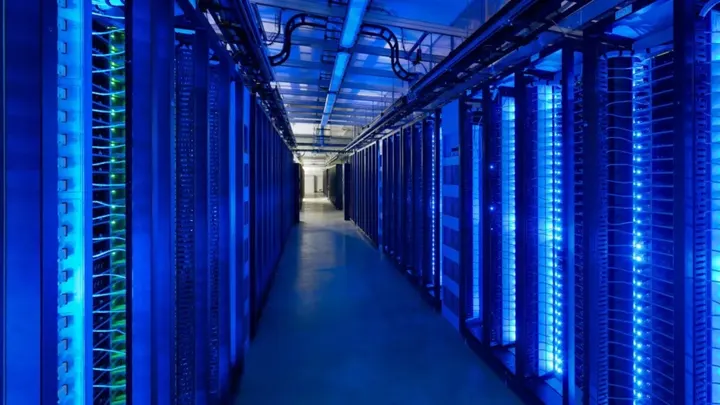
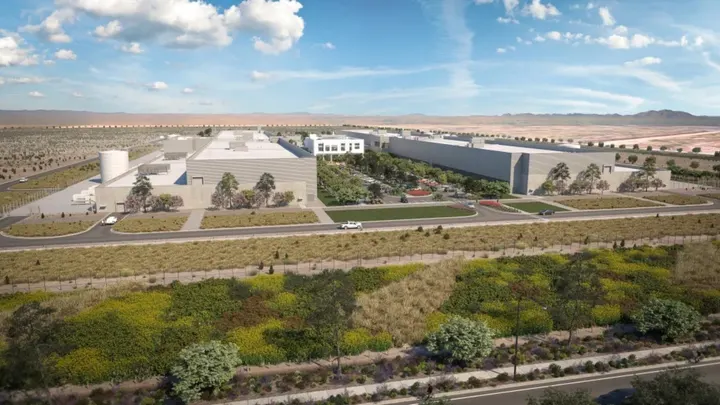
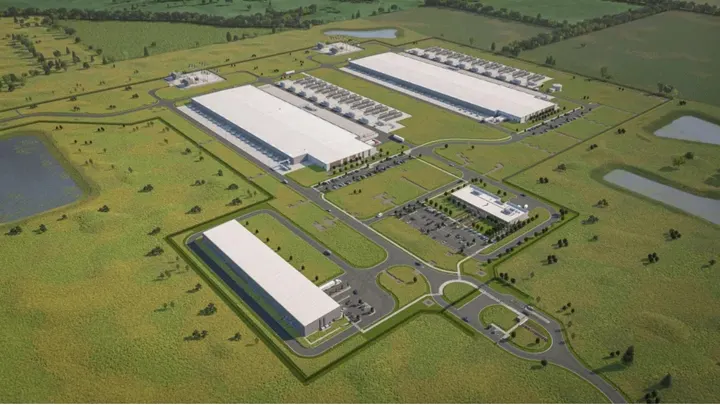
Modern AI systems depend on massive data centers containing:
- Thousands of servers
- Advanced networking equipment
- Specialized AI chips
- Cooling systems
- Backup power infrastructure
- Security systems
Without these facilities, modern AI would not exist.
Every AI query processed by a model requires computational resources housed somewhere in the physical world.
Why AI Is Driving a Data Center Construction Boom
The AI industry requires substantially more computing power than many traditional software applications.
Training advanced AI models can involve:
- Millions of GPU hours
- Massive datasets
- High-speed networking
- Large-scale storage systems
Even after training, AI systems continue consuming significant computational resources during daily operation.
As demand grows, technology companies are investing billions of dollars into new infrastructure.
Major players include:
- Meta
- Microsoft
- Amazon
- Oracle
Collectively, these firms are helping fuel one of the largest infrastructure expansions in technology history.
The Growing Workforce Shortage
Building AI infrastructure requires people with specialized skills.
However, demand is increasingly outpacing supply.
Companies are seeking workers in areas such as:
Data Center Operations
Managing daily facility performance.
Electrical Systems
Maintaining power distribution networks.
Cooling and HVAC
Ensuring equipment operates within safe temperature ranges.
Network Engineering
Supporting high-speed data communications.
Mechanical Systems
Maintaining physical infrastructure.
Facility Management
Coordinating operations and maintenance.
Many employers report difficulty filling these positions quickly enough to meet expansion plans.
Why Paid Training Programs Matter
Traditionally, many technology careers required formal university degrees.
The AI infrastructure sector is helping create alternative pathways.
Paid training programs offer several advantages:
Lower Barriers to Entry
Participants may not need advanced academic credentials.
Workforce Development
Employers can train workers for specific operational needs.
Faster Talent Pipelines
Training programs often take months rather than years.
Economic Mobility
Workers can transition into well-paying technical careers.
For many individuals, these programs represent an accessible entry point into the technology industry.
What AI Data Center Jobs Actually Involve
Contrary to popular assumptions, many AI infrastructure jobs do not involve programming AI models.
Instead, workers focus on the systems that keep facilities running.
Responsibilities may include:
- Monitoring equipment
- Replacing hardware
- Managing power systems
- Troubleshooting failures
- Performing preventive maintenance
- Coordinating repairs
- Supporting network operations
These roles combine technical knowledge with hands-on problem-solving.
The Rise of Skilled Trades in Tech
One surprising consequence of the AI boom is renewed demand for skilled trades.
Data centers require professionals such as:
- Electricians
- HVAC technicians
- Industrial maintenance specialists
- Construction workers
- Mechanical engineers
This challenges the stereotype that technology careers are exclusively software-focused.
In many cases, physical infrastructure workers are becoming just as critical as software developers.
Why AI Infrastructure Jobs Are Difficult to Automate
Ironically, many data center careers may prove relatively resistant to AI automation.
These positions often involve:
- Physical inspections
- Equipment maintenance
- Emergency response
- Facility repairs
- Complex troubleshooting
Such activities remain difficult for current AI systems to perform independently.
As a result, infrastructure-related roles may offer greater long-term stability than some digital occupations facing automation pressures.
Economic Benefits Beyond the Tech Sector
Data center construction creates ripple effects throughout local economies.
Benefits may include:
Direct Employment
Permanent operational jobs.
Construction Work
Temporary building and expansion projects.
Supplier Networks
Demand for equipment and materials.
Tax Revenue
Additional public funding opportunities.
Local Investment
Infrastructure improvements in surrounding communities.
Regions attracting AI infrastructure investments often experience broader economic development.
The Energy Challenge
AI data centers consume significant amounts of electricity.
As facilities expand, companies increasingly seek workers with expertise in:
- Power systems
- Renewable energy integration
- Grid management
- Energy efficiency
This intersection between AI and energy is creating new career opportunities.
Some experts believe the future workforce will increasingly require knowledge spanning both technology and energy systems.
Why Companies Prefer Workforce Development
Recruiting experienced workers from competitors is expensive and unsustainable.
Many technology companies now recognize that building talent internally may be more effective.
Training programs allow employers to:
- Shape skill development
- Improve retention
- Address labor shortages
- Expand workforce diversity
As competition for talent intensifies, workforce development may become a strategic advantage.
The Global Competition for Infrastructure Talent
The talent shortage is not limited to one country.
Nations worldwide are competing to build AI infrastructure.
This creates growing demand for workers capable of supporting:
- Data centers
- Semiconductor facilities
- Cloud infrastructure
- Telecommunications networks
The competition extends beyond technology companies to entire national economies seeking AI leadership.
Future Career Opportunities
Industry analysts expect AI infrastructure employment to remain strong throughout the coming decade.
Potential growth areas include:
AI Facility Operations
Managing increasingly sophisticated facilities.
Advanced Cooling Systems
Supporting high-density computing environments.
Power Infrastructure
Expanding electrical capacity for AI workloads.
Data Center Security
Protecting critical digital assets.
Sustainability Management
Reducing environmental impact.
As AI adoption expands, demand for these skills may continue increasing.
The Human Side of the AI Revolution
Much of the public discussion surrounding AI focuses on software, algorithms, and automation.
Yet the AI economy ultimately depends on people.
Workers design systems.
Workers build facilities.
Workers maintain infrastructure.
Workers keep operations running.
The growth of paid training programs highlights an important reality:
The AI revolution is not only creating new machines—it is creating new careers.
The Bigger Picture
Meta’s investment in paid AI data center training reflects a broader transformation underway across the technology sector.
Artificial intelligence is generating demand not only for researchers and software engineers but also for technicians, electricians, facility operators, construction specialists, and infrastructure professionals.
As AI systems become more powerful, the physical infrastructure supporting them becomes increasingly important.
That infrastructure requires human expertise.
While much attention focuses on jobs that AI might automate, a parallel story is unfolding.
The expansion of AI is creating entirely new categories of employment centered on building and maintaining the digital foundations of the future.
For many workers, the most promising opportunities in the AI economy may not involve creating artificial intelligence.
They may involve powering it.
Frequently Asked Questions (FAQ)
1. What is an AI data center job?
AI data center jobs involve operating, maintaining, and supporting the facilities and infrastructure that provide computing power for artificial intelligence systems.
2. Do I need a computer science degree to work in an AI data center?
Not necessarily. Many positions focus on electrical systems, HVAC, networking, facility operations, maintenance, and technical support rather than software development.
3. Why are companies offering paid training programs?
Technology companies face growing labor shortages and need faster ways to develop skilled workers capable of supporting rapidly expanding AI infrastructure.
4. Are AI data center jobs likely to grow?
Industry forecasts suggest strong growth as AI adoption increases and companies continue investing heavily in new computing infrastructure.
5. Can AI automate data center workers?
While some monitoring tasks may become automated, many data center roles involve physical maintenance, troubleshooting, repairs, and operational oversight that remain difficult for AI systems to perform independently.
Sources Fox News

