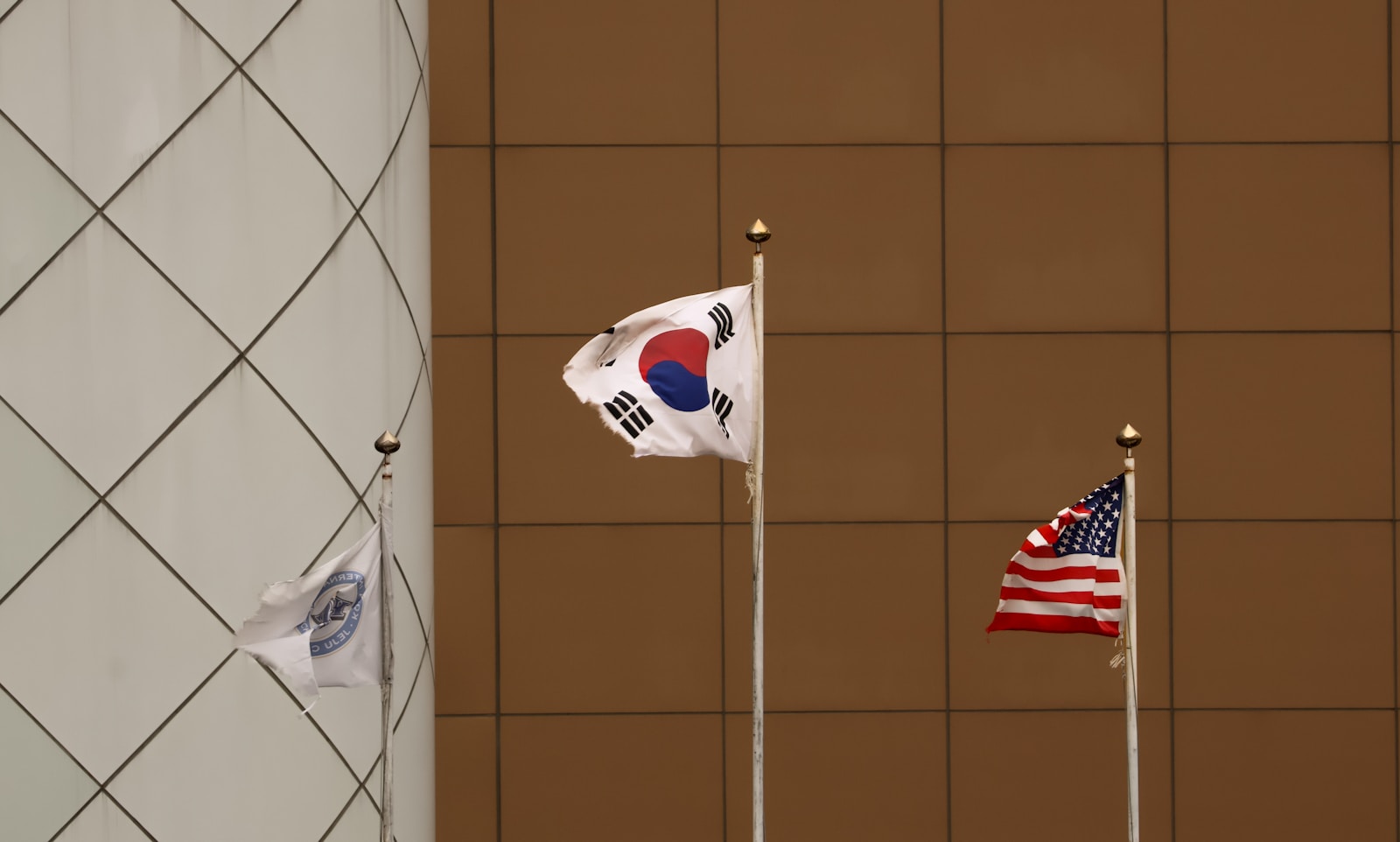
For most of the past decade, the global artificial intelligence race has looked like a two-horse contest: the United States versus China. American firms dominate cutting-edge AI models and cloud infrastructure, while China pushes state-backed innovation at massive scale.
Now, South Korea’s leading tech champion — often dubbed “South Korea’s Google” — is pitching a bold alternative: an AI ecosystem that is neither American nor Chinese, but distinctly Korean and globally exportable.
The ambition is clear. The challenge is enormous.

Why South Korea Is Pushing an AI “Third Way”
South Korea’s AI strategy is shaped by hard realities.
The country:
- Relies heavily on US technology platforms
- Faces geopolitical pressure in US–China tech tensions
- Is a global leader in semiconductors but not AI platforms
- Wants to protect its language, culture, and data
Building a domestic AI ecosystem isn’t just about innovation — it’s about strategic independence.
Who Is ‘South Korea’s Google’?
The company leading this effort is widely compared to Google because of its dominance in:
- Search
- Mapping
- Payments
- Messaging
- Digital services
It already serves tens of millions of users daily in South Korea, giving it:
- Vast local data
- Deep cultural and linguistic expertise
- A powerful domestic platform
These strengths make it uniquely positioned to develop AI models optimized for Korean language, norms, and regulations.
What Makes This AI Vision Different
1. Language-First AI
Most global AI models are trained primarily on English and Mandarin. Korean, despite being spoken by millions, is often underrepresented.
South Korea’s AI push emphasizes:
- Native Korean language understanding
- Cultural nuance and context
- Local knowledge and norms
This matters for accuracy, trust, and adoption.
2. Data Sovereignty
Governments and companies increasingly worry about where data goes — and who controls it.
A domestic AI platform allows:
- Local data storage
- Compliance with Korean regulations
- Reduced dependence on foreign cloud providers
This is especially important for sensitive sectors like finance, healthcare, and government.

3. Alignment With Democratic Governance
Unlike China’s state-directed AI or the US’s market-dominated approach, South Korea positions its AI model as:
- Open but regulated
- Innovation-driven but rights-conscious
- Aligned with democratic norms
This framing is designed to appeal to other middle powers seeking alternatives.
The Global Opportunity: AI Beyond Superpowers
Many countries face a dilemma:
- US AI platforms raise concerns about data extraction and corporate power
- Chinese AI platforms raise concerns about state influence
A Korean-built AI ecosystem could appeal to:
- Southeast Asia
- Middle Eastern countries
- Parts of Europe
- Emerging digital economies
These regions want advanced AI without choosing sides.
The Challenges Are Massive
1. Scale
US and Chinese firms train models with:
- Vast computing resources
- Global datasets
- Massive capital
Competing at that level is extremely expensive.
2. Talent Competition
AI researchers are globally mobile and highly paid. Keeping talent in Korea — or attracting it — is a constant struggle.
3. Ecosystem Lock-In
Developers and enterprises are already deeply integrated into US cloud and AI ecosystems. Convincing them to switch requires clear advantages.
4. Speed
AI innovation moves fast. Falling even a year behind can be costly.
Why South Korea Still Has a Shot
Despite the challenges, South Korea has real advantages:
- World-class semiconductor manufacturing
- Strong government support for AI
- High digital adoption rates
- Advanced telecom infrastructure
- A tech-savvy population
AI doesn’t exist in isolation — it thrives where hardware, software, and users align.
What This Means for the Global AI Landscape
If successful, South Korea’s push could:
- Reduce AI concentration in two countries
- Encourage regional AI ecosystems
- Give governments more bargaining power
- Accelerate global AI regulation standards
Even partial success would be meaningful.
Frequently Asked Questions
Is South Korea trying to replace US and Chinese AI?
No. The goal is to offer an alternative — not to dominate globally.
Why does language matter so much in AI?
Language models perform best when trained deeply on specific linguistic and cultural contexts.
Can a smaller country really compete in AI?
Competing at scale is hard, but regional leadership is achievable — especially with strong hardware and data advantages.
Is this about geopolitics or technology?
Both. AI has become a strategic asset tied to national security and economic independence.
Will other countries follow this model?
Likely. Many nations are exploring “sovereign AI” strategies.
What’s the biggest risk?
Being squeezed between faster US innovation and heavily subsidized Chinese AI.

The Bottom Line
South Korea’s “Google” isn’t just building another AI model.
It’s attempting something far more ambitious: proving that the future of artificial intelligence doesn’t have to be decided by two superpowers alone.
Whether this effort succeeds or not, it signals a broader shift — one where countries see AI not just as software, but as infrastructure, sovereignty, and strategy.
The next phase of the AI race may not be about who builds the biggest model —
but about who builds systems that nations and users can truly trust.
Sources Financial Times