
Everyone Says AI Is Booming—But Where’s the Proof?
You’ve heard it everywhere:
👉 “AI is exploding.”
👉 “This is the biggest tech shift in decades.”
But here’s the problem:
👉 How do you actually measure an AI boom?
Unlike past revolutions—factories, oil, even the internet—AI is harder to track, harder to define, and much harder to quantify.
And that’s creating a strange situation:
👉 We feel the boom… but struggle to prove it.

📊 The Challenge: AI Doesn’t Fit Traditional Metrics
In past tech waves, growth was visible:
- Factories produced goods
- Internet companies generated clear revenue
- Hardware sales showed adoption
But AI is different.
Why?
Because it’s:
- Embedded inside existing products
- Often invisible to users
- Not always directly monetized
👉 AI isn’t a product—it’s becoming infrastructure.
🧠 So… How Do You Measure an AI Boom?
There’s no single metric.
Instead, experts look at a combination of signals:
1. Investment Levels
One of the clearest indicators:
👉 Massive capital flowing into AI.
- Venture capital funding
- Corporate spending
- Government investments
What it shows:
👉 Confidence in future growth.
2. Adoption Across Industries
AI is being used in:
- Healthcare
- Finance
- Education
- Retail
- Manufacturing
👉 The broader the adoption, the stronger the boom.
3. Productivity Gains
Companies are using AI to:
- Automate tasks
- Improve efficiency
- Reduce costs
👉 But here’s the catch:
These gains are often hard to measure directly.
4. Talent Demand
Look at hiring trends:
- AI engineers
- Data scientists
- Machine learning experts
👉 High demand = strong industry growth.
5. Infrastructure Expansion
AI requires:
- Data centers
- GPUs
- Cloud computing
👉 Growth in these areas signals:
Real, physical expansion behind the scenes.
⚠️ The Problem: Hype vs Reality
Not everything labeled “AI” is meaningful.
Signs of hype:
- Companies rebranding existing products as “AI”
- Overstated capabilities
- Lack of clear revenue impact
👉 This makes it harder to separate:
Real progress from marketing noise.
🔍 What the Original Article Didn’t Fully Explore
Let’s go deeper into the hidden layers of the AI boom:
1. The “Invisible Adoption” Effect
AI is often:
- Integrated quietly
- Improving systems behind the scenes
👉 Example:
- Better recommendations
- Faster customer service
But users may not even notice.
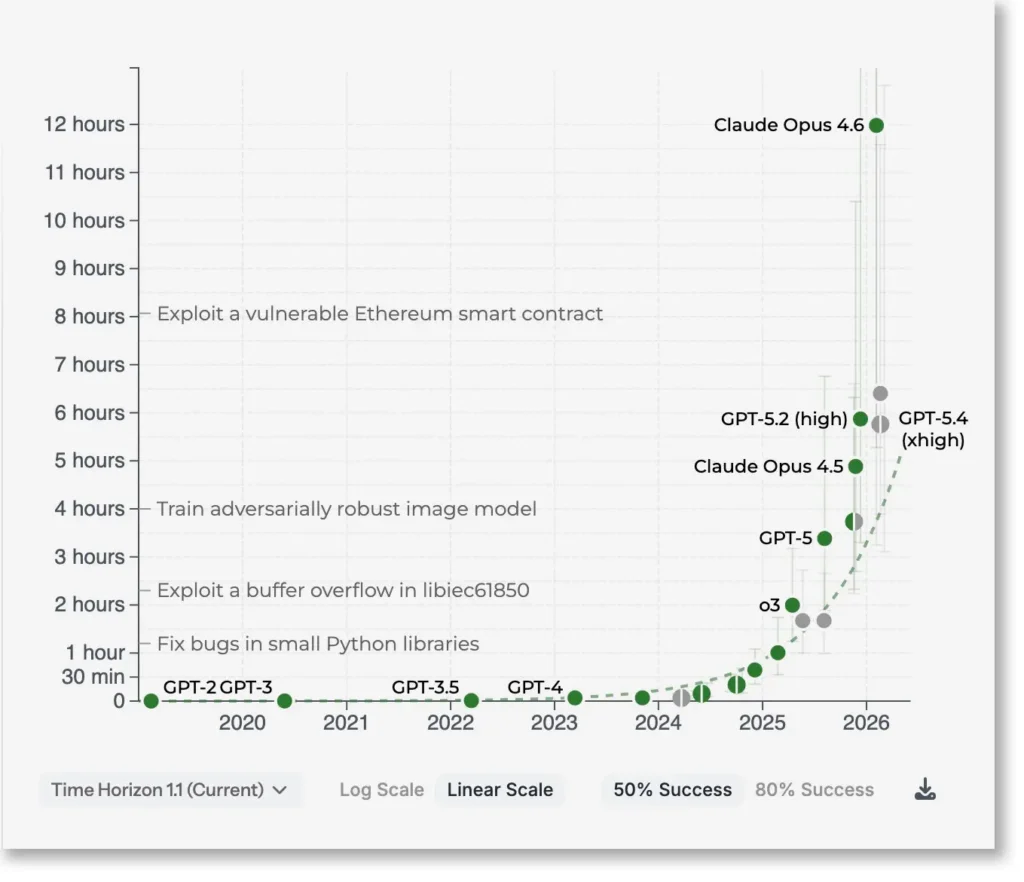
2. The Time Lag Problem
AI investment happens now.
👉 But results may take years.
This creates:
- Short-term uncertainty
- Long-term potential
3. Uneven Distribution of Benefits
Not everyone benefits equally.
- Big tech companies gain the most
- Smaller firms struggle to compete
👉 This skews how we perceive the boom.
4. Productivity Paradox
Despite AI advances:
👉 Productivity data hasn’t surged dramatically yet.
Why?
- Adoption takes time
- Systems need integration
- Workers need training
5. The “Narrative Economy”
AI’s impact isn’t just economic—it’s psychological.
👉 Perception drives:
- Investment
- Policy
- Innovation
Sometimes:
👉 The belief in the boom fuels the boom itself.
📉 Are We in a Bubble?
Some experts worry:
👉 AI could be overhyped.
Warning signs:
- Sky-high valuations
- Unclear revenue models
- Speculative investments
But others argue:
👉 We’re still early—and the real impact hasn’t hit yet.
🏢 Who Is Driving the AI Boom?
1. Big Tech Companies
- Building models
- Controlling infrastructure
2. Startups
- Innovating rapidly
- Experimenting with use cases
3. Governments
- Investing heavily
- Competing globally
4. Enterprises
- Integrating AI into operations
👉 It’s a multi-layered ecosystem.
🔮 The Future: How We’ll Measure It Better
As AI matures, new metrics will emerge:
📌 Revenue from AI Products
📌 Measurable productivity gains
📌 Industry-specific impact
📌 Job creation vs displacement
👉 Over time, the boom will become more visible and quantifiable.
❓ Frequently Asked Questions
1. Why is it hard to measure the AI boom?
Because AI is:
- Embedded in many systems
- Not always directly monetized
2. What’s the best indicator of AI growth?
A combination of:
- Investment
- Adoption
- Infrastructure
3. Is AI overhyped right now?
Partly.
👉 There’s real progress—but also significant hype.
4. Why haven’t productivity gains skyrocketed yet?
Because:
- Adoption takes time
- Integration is complex
5. Are we in an AI bubble?
Possibly in some areas—but the long-term trend is strong.
6. What’s the biggest takeaway?
👉 The AI boom is real—but still unfolding.
🔥 Final Thought
The AI boom isn’t like past revolutions.
It’s quieter.
More complex.
Harder to measure.
But that doesn’t make it smaller.
👉 It might make it bigger.
Because the most powerful shifts aren’t always the most visible—
👉 They’re the ones happening everywhere, all at once.
Sources The New York Times

