

Artificial intelligence has captured global attention through chatbots, image generators, autonomous software, and intelligent digital assistants. Yet behind every AI breakthrough lies an enormous physical infrastructure that most people never see: data centers.
These highly specialized facilities provide the computing power needed to train and operate today’s most advanced AI models. As demand for AI continues to grow at an unprecedented pace, data center developers have become some of the most important—and increasingly scrutinized—players in the technology industry.
Once operating largely behind the scenes, developers of AI infrastructure are now balancing soaring demand from technology companies with growing concerns from local communities over energy use, water consumption, environmental sustainability, and land development.
The debate illustrates a broader reality: the future of artificial intelligence depends not only on software innovation but also on the ability to build the physical infrastructure that powers the digital economy.
What Data Center Developers Do
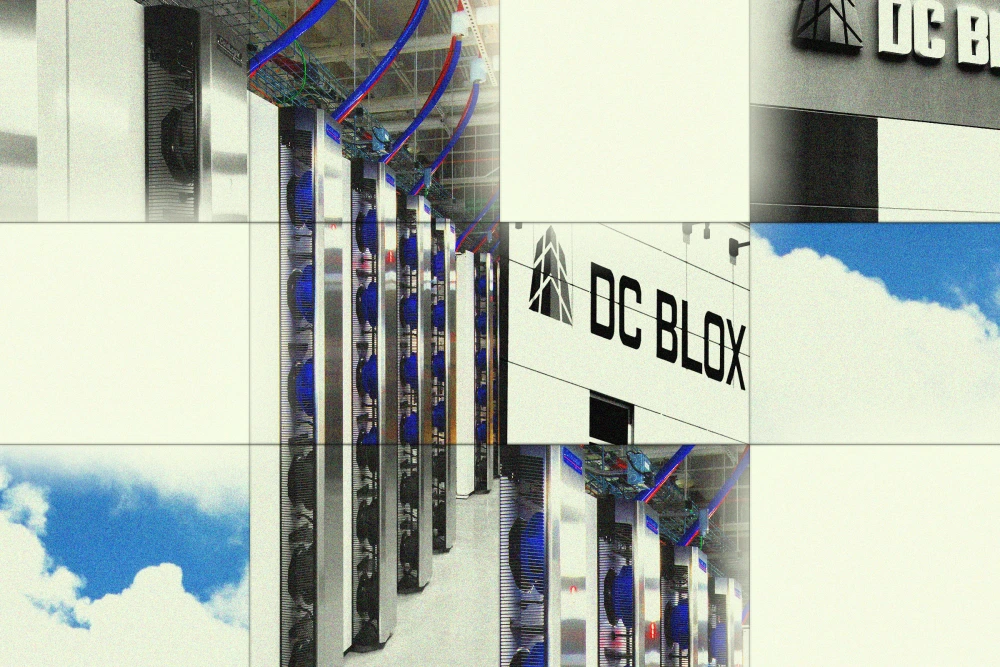
Data center developers are responsible for planning, constructing, and operating facilities that house critical computing infrastructure.
Their work includes:
- Site selection
- Land acquisition
- Facility design
- Power infrastructure
- Cooling systems
- Fiber connectivity
- Security planning
- Environmental compliance
- Long-term maintenance
These facilities support cloud computing, enterprise software, financial services, scientific research, and increasingly, artificial intelligence.
Why AI Has Triggered an Infrastructure Boom
Training and operating advanced AI models requires enormous computational capacity.
Compared with traditional cloud applications, generative AI demands:
- More GPUs
- Faster networking
- Larger storage systems
- Greater electrical capacity
- Advanced cooling
- Continuous uptime
As businesses adopt AI across industries, developers are racing to expand computing infrastructure fast enough to meet demand.
The Race for Suitable Locations
Building a modern AI data center involves more than finding available land.
Developers evaluate factors such as:
- Reliable electricity
- Fiber-optic connectivity
- Water availability
- Climate conditions
- Local regulations
- Transportation access
- Natural disaster risk
- Workforce availability
These considerations significantly influence where new facilities are constructed.
Electricity Has Become a Critical Resource
AI data centers consume large amounts of power.
Electricity supports:
- AI processors
- Storage systems
- Networking equipment
- Cooling infrastructure
- Backup systems
- Security operations
Utilities and developers increasingly work together to ensure sufficient electrical capacity while maintaining grid reliability.
Cooling Technology Is Evolving
AI hardware generates substantial heat.
Traditional air cooling is gradually being supplemented by technologies including:
- Direct liquid cooling
- Immersion cooling
- Closed-loop water systems
- Heat recovery
- AI-controlled thermal management
These innovations improve efficiency while reducing operating costs.
Environmental Sustainability Is Receiving Greater Attention
Communities and regulators increasingly expect data centers to minimize environmental impacts.
Developers are investing in:
- Renewable electricity
- Energy-efficient buildings
- Water recycling
- Sustainable construction
- Carbon reduction initiatives
- Battery storage
- Waste heat recovery
Sustainability has become an important competitive advantage as well as a public expectation.
Why Communities Sometimes Object
Although data centers generate economic activity, local residents may express concerns regarding:
- Increased electricity demand
- Water consumption
- Noise from cooling equipment
- Traffic during construction
- Visual impact
- Land use
- Environmental effects
Successful projects increasingly depend on meaningful community engagement and transparent planning.
Economic Benefits Extend Beyond Technology
Data center projects often contribute to local economies through:
- Construction employment
- Permanent technical jobs
- Property tax revenue
- Supplier contracts
- Infrastructure improvements
- Business attraction
Many regions actively compete to attract these investments because of their long-term economic potential.
AI Infrastructure Supports Every Industry
Although often associated with chatbots, AI infrastructure enables applications across sectors including:
- Healthcare
- Manufacturing
- Banking
- Education
- Scientific research
- Retail
- Government
- Transportation
- Agriculture
The benefits extend far beyond consumer AI products.
Data Centers Are Becoming Smarter
Ironically, artificial intelligence itself is helping optimize data center operations.
AI is increasingly used for:
- Predictive maintenance
- Energy management
- Cooling optimization
- Workload balancing
- Equipment monitoring
- Security analysis
These improvements increase efficiency while reducing operational costs.
Supply Chains Are Under Pressure
Growing AI demand has increased competition for:
- GPUs
- Electrical equipment
- Transformers
- Cooling systems
- Construction materials
- Skilled labor
Developers must carefully manage supply chains to keep projects on schedule.
Governments View Data Centers as Strategic Infrastructure
Many governments now consider AI infrastructure essential for:
- Economic competitiveness
- National security
- Scientific research
- Digital transformation
- Cloud computing
- Technology leadership
Public policy increasingly supports investments in computing infrastructure while balancing environmental considerations.
Renewable Energy Is Becoming Essential
Many technology companies have pledged ambitious sustainability goals.
To support them, developers increasingly partner with:
- Solar farms
- Wind projects
- Hydroelectric facilities
- Nuclear energy providers
- Battery storage systems
Reliable clean energy has become an important factor in future AI expansion.
Edge Computing Will Complement Mega Data Centers
While large centralized facilities remain essential, future AI infrastructure may also include:
- Regional edge data centers
- Local AI processing
- On-device AI
- Distributed cloud networks
These technologies can reduce latency while improving performance for real-time applications.
The Future of AI Infrastructure
Industry experts expect continued investment in:
- More efficient processors
- Sustainable cooling
- Advanced networking
- Modular construction
- Autonomous facility management
- Renewable power integration
Infrastructure innovation will remain critical as AI adoption continues accelerating worldwide.
The Bigger Picture
The rapid growth of artificial intelligence is driving one of the largest infrastructure expansions in modern technological history. Behind every AI application is a network of sophisticated data centers that require enormous investments in computing hardware, electricity, cooling, networking, and engineering expertise.
Data center developers have become key enablers of this transformation, but they also face increasing expectations from governments, businesses, investors, and local communities. Success will depend not only on delivering more computing capacity but also on building facilities that are energy-efficient, environmentally responsible, and compatible with community needs.
The debate surrounding AI infrastructure reflects a broader challenge confronting the technology industry: how to support unprecedented digital innovation while responsibly managing the physical resources required to power it.
As artificial intelligence becomes deeply integrated into every sector of the economy, data centers will continue evolving from invisible technical facilities into essential public infrastructure—playing a central role in shaping the future of technology, economic growth, and sustainable development.
Frequently Asked Questions (FAQs)
1. Why are data centers so important for artificial intelligence?
AI models require massive computing resources for training and operation. Data centers provide the specialized hardware, storage, networking, and power needed to support these demanding workloads.
2. Why are communities concerned about new data centers?
Common concerns include electricity consumption, water use, environmental impacts, construction traffic, land development, and noise. Communities often seek assurances that projects will deliver economic benefits while minimizing local impacts.
3. How are developers making AI data centers more sustainable?
Developers are investing in renewable energy, liquid cooling technologies, water recycling, energy-efficient equipment, battery storage, waste heat recovery, and sustainable building practices to reduce environmental impacts.
4. Do data centers only support AI?
No. Data centers also power cloud computing, online banking, healthcare systems, streaming services, scientific research, government operations, cybersecurity, e-commerce, and countless other digital services.
5. What does the future hold for AI infrastructure?
Future AI infrastructure is expected to feature cleaner energy sources, smarter cooling systems, edge computing, AI-driven facility management, advanced semiconductors, and increasingly efficient data center designs capable of supporting continued growth in artificial intelligence.
Sources CNBC

