Artificial intelligence has reshaped business, education, and daily life at breathtaking speed. But behind the breakthroughs lies a growing environmental cost that is only now coming into focus. New research suggests that the AI boom in 2025 generated carbon emissions on a scale comparable to those of New York City, alongside massive water and energy consumption.
This finding reframes the AI conversation. Until recently, debates focused on productivity, jobs, and innovation. Now, the spotlight is shifting to a harder question: can AI keep expanding without dramatically increasing its environmental footprint?

Why AI’s Environmental Impact Is Surging
The AI boom is not powered by abstract code alone. It depends on vast physical infrastructure:
- enormous data centers
- energy-hungry AI chips
- constant cooling systems
- round-the-clock operation
Training large AI models requires extraordinary computing power. Running them at scale — for chatbots, image generation, search, and enterprise tools — demands continuous electricity.
In 2025, this demand reached a tipping point.
How AI Emissions Compare to a Major City
Researchers estimate that global AI-related operations in 2025 produced CO₂ emissions comparable to those generated annually by New York City. This comparison is striking because it places AI — often seen as “virtual” — alongside one of the world’s largest urban energy consumers.
The emissions come from several sources:
- fossil-fuel-powered electricity used by data centers
- manufacturing of AI chips and servers
- backup power systems and grid inefficiencies
While AI companies often purchase renewable energy credits, those credits don’t always reduce emissions where data centers are physically located.
Water Use: The Overlooked Side of the AI Boom
Carbon emissions are only part of the story.
AI data centers also consume enormous amounts of water, primarily for cooling. In many regions, this water is drawn from local supplies already under stress from droughts and climate change.
Key concerns include:
- millions of gallons of water used daily for cooling
- competition with agriculture and households
- limited transparency around water sourcing
Unlike electricity, water use is hyper-local — meaning communities near data centers feel the impact directly.
Why AI Is So Energy-Intensive
Several factors make AI particularly demanding:
1. Always-On Demand
Unlike traditional computing, AI services run continuously, even during low-traffic periods.
2. Specialized Chips
AI workloads rely on advanced processors that consume far more power than standard CPUs.
3. Rapid Scaling
AI adoption is accelerating faster than energy infrastructure can adapt.
4. Inefficient Training Cycles
Training frontier models can take weeks or months, consuming massive energy in short bursts.
The Renewable Energy Debate
Tech companies often argue that AI is powered by clean energy. The reality is more complex.
Many firms:
- buy renewable energy credits
- invest in wind and solar projects
- claim carbon neutrality
However:
- renewables may be generated far from data centers
- intermittent supply requires fossil-fuel backup
- local grids may still rely heavily on coal or gas
This gap between accounting and physical reality has fueled skepticism among environmental researchers.

Why This Matters Beyond Tech
The AI boom’s environmental impact affects:
- national climate targets
- local water security
- electricity prices
- grid reliability
As AI expands, its energy needs increasingly compete with housing, transportation, and industrial demands.
This creates political tension, especially in regions hosting large clusters of data centers.
Can AI Become More Sustainable?
There are potential paths forward — but none are simple.
Efficiency Improvements
New chips and model architectures can reduce energy use per task, but overall demand continues to rise.
Smaller, Smarter Models
Not every application needs the largest possible model. Right-sizing AI could cut emissions.
On-Site Power and Cooling
Some data centers are experimenting with:
- direct renewable generation
- energy storage
- alternative cooling methods
Policy and Transparency
Clearer reporting on emissions and water use could help regulators and communities make informed decisions.
The Bigger Question: Is the Pace Sustainable?
AI’s environmental impact highlights a broader issue: innovation is outpacing infrastructure.
Just as cities plan power, water, and transport decades ahead, AI growth now demands similar long-term thinking. Without it, environmental costs could undermine many of the benefits AI promises to deliver.
Frequently Asked Questions
How much CO₂ does AI really produce?
In 2025, estimates suggest AI-related activity generated emissions comparable to those of a major city like New York.
Why is AI so energy-intensive?
Because of continuous operation, specialized chips, large-scale data centers, and energy-heavy training processes.
Do renewable energy credits solve the problem?
They help on paper but don’t always reduce emissions where data centers are located.
Why does AI use so much water?
Water is used extensively to cool servers and prevent overheating.
Are local communities affected?
Yes. Water use and electricity demand can strain local resources and raise costs.
Can AI emissions be reduced?
Efficiency gains are possible, but total emissions may still rise as AI use expands.
Is AI worse than other industries?
It’s growing faster than most digital sectors, making its environmental impact increasingly significant.
Are governments regulating AI’s environmental footprint?
Some are beginning to investigate, but regulation remains limited.
Could AI help fight climate change instead?
Potentially — but only if its benefits outweigh its own emissions.
What’s the main takeaway?
AI’s growth is no longer just a tech issue — it’s a climate issue.
Bottom Line
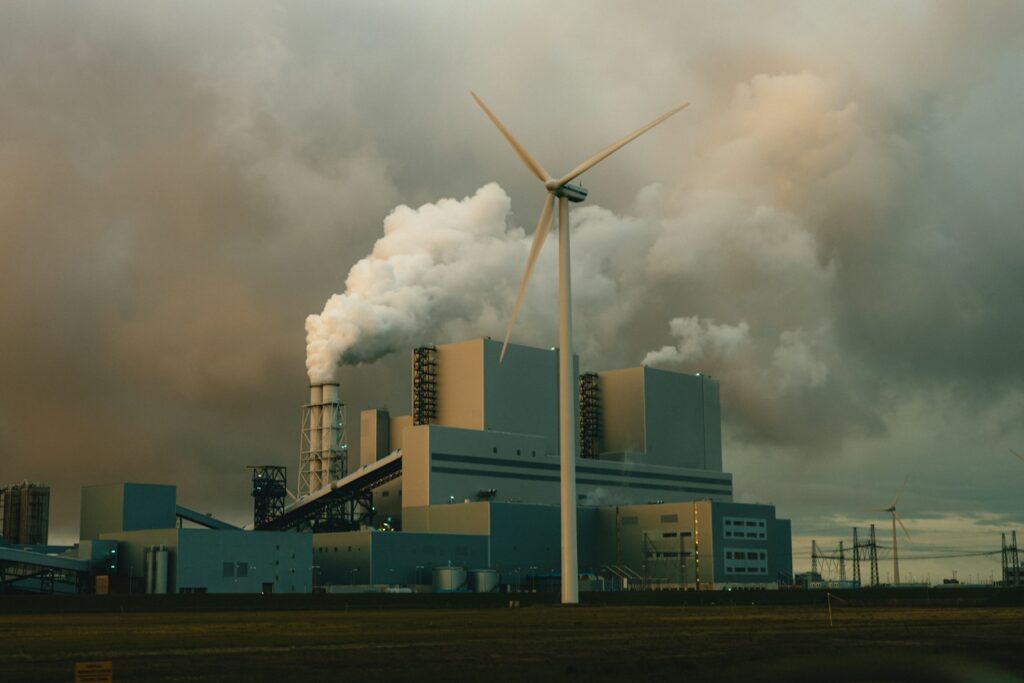
The AI boom has delivered powerful new tools, but it has also created a carbon and water footprint large enough to rival a major city. As AI continues to scale, its environmental costs can no longer be treated as a side effect.
The next phase of AI innovation won’t just be about smarter machines — it will be about whether those machines can grow without overheating the planet.
Sources The Guardian