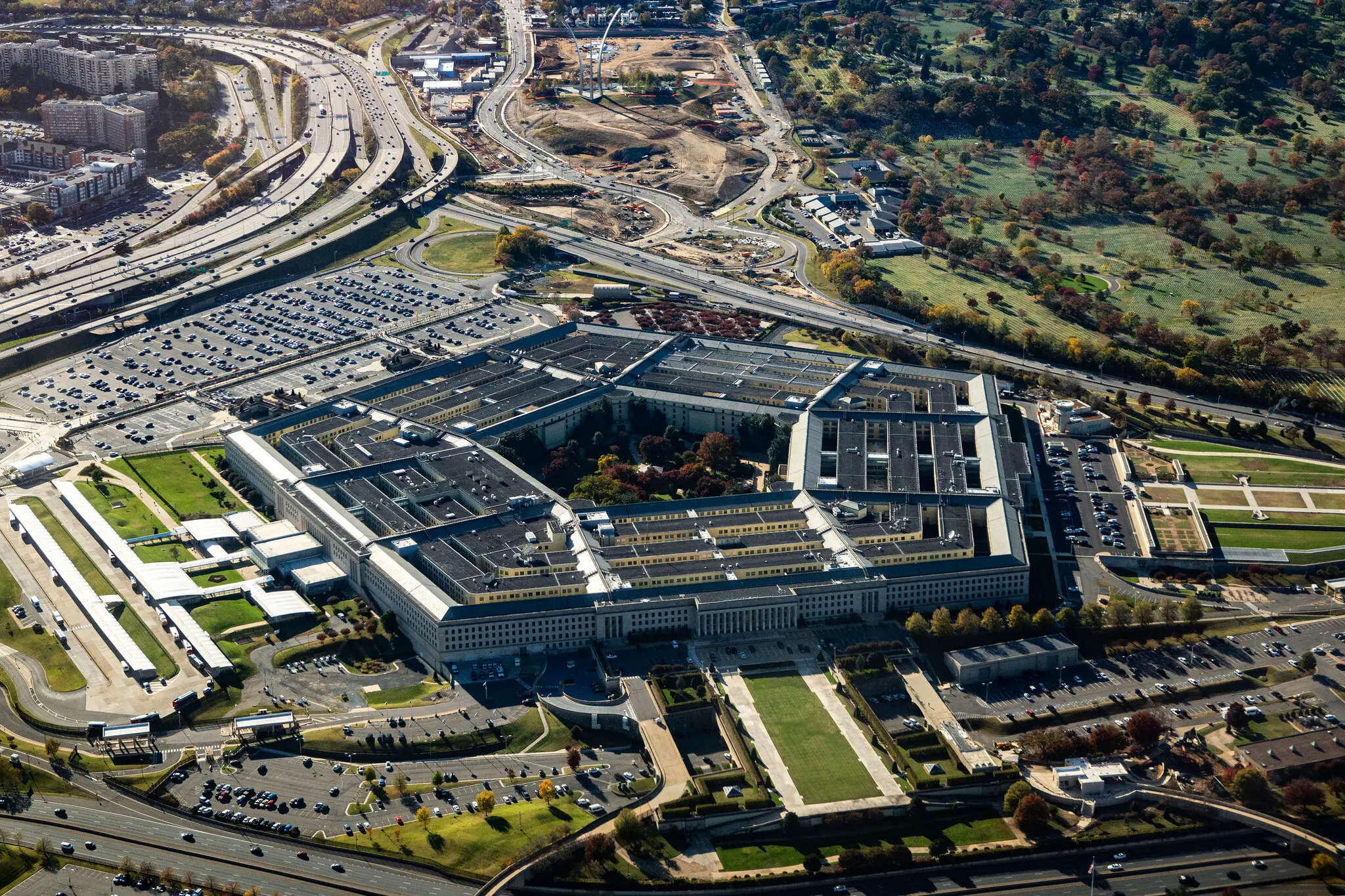
Artificial intelligence and advanced military systems are often portrayed as the ultimate symbols of technological independence and national strength. Yet beneath the algorithms, drones, and data centers lies a quiet vulnerability: both the U.S. military and the world’s leading AI companies are deeply dependent on batteries made possible by China’s supply chain.
This dependence is not a minor inconvenience—it’s a strategic pressure point with implications for national security, climate policy, global trade, and the future of AI itself.
This article expands on that reality, explores what’s often overlooked, and explains why batteries have become one of the most consequential geopolitical resources of the modern era.

Why Batteries Are the Backbone of AI and Modern Warfare
AI Runs on More Than Code
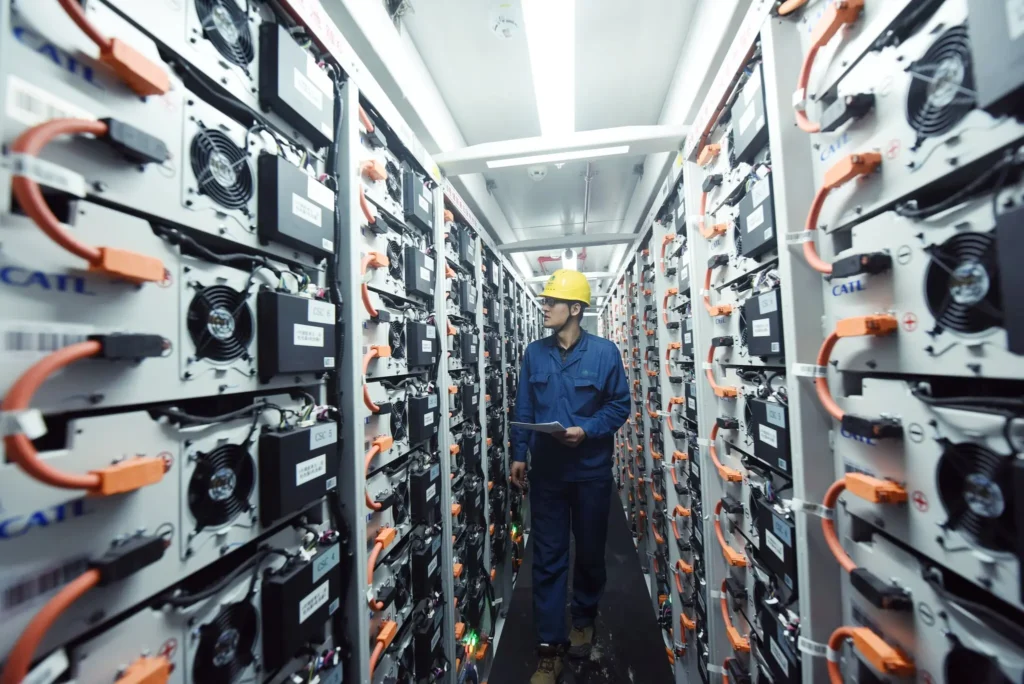
AI systems—especially those used in data centers, autonomous vehicles, drones, and edge computing—depend on massive amounts of stored energy. Batteries are essential for:
- Backup power in AI data centers
- Mobile AI systems and robotics
- Military drones, sensors, and communications
- Electric vehicles and logistics platforms
Without reliable batteries, AI systems are fragile.
Modern Weapons Are Electrified
The Pentagon increasingly relies on battery-powered systems:
- Autonomous and semi-autonomous drones
- Portable radar and communications units
- Electric military vehicles
- Remote sensors and surveillance equipment
Even advanced weapons require dependable energy storage—often in harsh and remote environments.
China’s Dominance in the Battery Supply Chain
Control Beyond Manufacturing
China’s power isn’t limited to assembling batteries. It dominates nearly every stage:
- Mining and processing of critical minerals like lithium, cobalt, graphite, and rare earths
- Refining and chemical processing
- Cathode and anode production
- Battery cell manufacturing
In many of these categories, China controls 60–90% of global capacity.
Why the U.S. Can’t Easily Replace This
Building battery supply chains takes:
- Years of permitting and environmental review
- Massive capital investment
- Technical expertise that has accumulated over decades
Even with aggressive investment, replacing China’s dominance will take time.
The Pentagon’s Strategic Dilemma
Security vs. Supply Reality
The U.S. military seeks secure, domestic supply chains—but currently relies on:
- Commercial battery markets
- Civilian manufacturers tied to Chinese inputs
- Globalized supply networks
This creates a contradiction: weapons designed to counter geopolitical rivals depend on materials refined by them.
Why Batteries Matter in Conflict
In a high-intensity conflict:
- Battery shortages could cripple drones and sensors
- Logistics systems could slow dramatically
- AI-driven command systems could lose resilience
Energy storage is now a battlefield asset.
Big Tech Faces the Same Problem
AI Data Centers Are Power-Hungry
AI giants require:
- Massive energy storage to stabilize grids
- Batteries for backup and load balancing
- Electrification of logistics and infrastructure
Even companies committed to domestic manufacturing still rely heavily on Chinese battery components.
Climate Goals Increase Dependence
Ironically, efforts to decarbonize—through electric vehicles and renewable energy—increase demand for batteries, tightening dependence on Chinese supply chains.
What Often Gets Overlooked
Battery Chemistry Is Strategic
China isn’t just scaling production—it’s innovating:
- New lithium chemistries
- Sodium-ion batteries
- Cost-efficient manufacturing techniques
Innovation leadership compounds supply dominance.
Environmental Trade-Offs
Battery production is resource-intensive. China’s willingness to absorb environmental costs has accelerated its dominance—something Western nations struggle to replicate due to stricter regulations.
This Is About Time, Not Just Money
Even with unlimited funding, battery supply chains can’t be rebuilt overnight. Workforce training, infrastructure, and refining capacity take years.
What the U.S. Is Doing—And Where It Falls Short
Policy Responses
The U.S. is:
- Subsidizing domestic battery production
- Encouraging mineral extraction and recycling
- Partnering with allies for diversified supply
The Gaps
- Permitting delays slow progress
- Local opposition blocks mining projects
- Recycling alone can’t meet near-term demand
- Global demand is growing faster than capacity
Why This Is a Climate, Tech, and Security Issue All at Once
This dependency intersects three critical domains:
- Climate policy: Clean energy depends on batteries
- Technology leadership: AI infrastructure depends on power stability
- National security: Military readiness depends on reliable energy
Ignoring any one of these weakens the others.
What the Future May Look Like
Over the next decade, expect:
- Continued Chinese dominance, though gradually reduced
- More battery supply deals with allies
- Accelerated research into alternative chemistries
- Increased stockpiling for strategic purposes
- Energy storage treated as critical infrastructure
The battery race may define geopolitical power as much as chips or AI models.
Frequently Asked Questions (FAQ)
Why are batteries so critical for AI systems?
AI systems require stable, high-capacity power for data centers, edge devices, and autonomous platforms. Batteries provide resilience and mobility.
Why does China dominate battery production?
China invested early, accepted environmental costs, and built integrated supply chains across mining, refining, and manufacturing.
Can the U.S. become battery-independent?
Eventually, partially—but full independence is unlikely in the near term. Diversification is more realistic than replacement.
Why can’t recycling solve the problem?
Recycling helps but can’t meet current demand because there aren’t enough end-of-life batteries yet.
Is this a national security risk?
Yes. Dependence on foreign battery supply chains creates vulnerabilities for both military and civilian infrastructure.

Final Thoughts
The future of AI and military power isn’t determined solely by algorithms or weapons—it’s determined by who controls the energy that keeps those systems alive.
China’s dominance in batteries exposes a critical vulnerability for both the Pentagon and Silicon Valley. Addressing it will require long-term strategy, political will, environmental compromise, and international cooperation.
In the age of AI and electrified warfare, power storage is power itself.
Sources The New York Times