
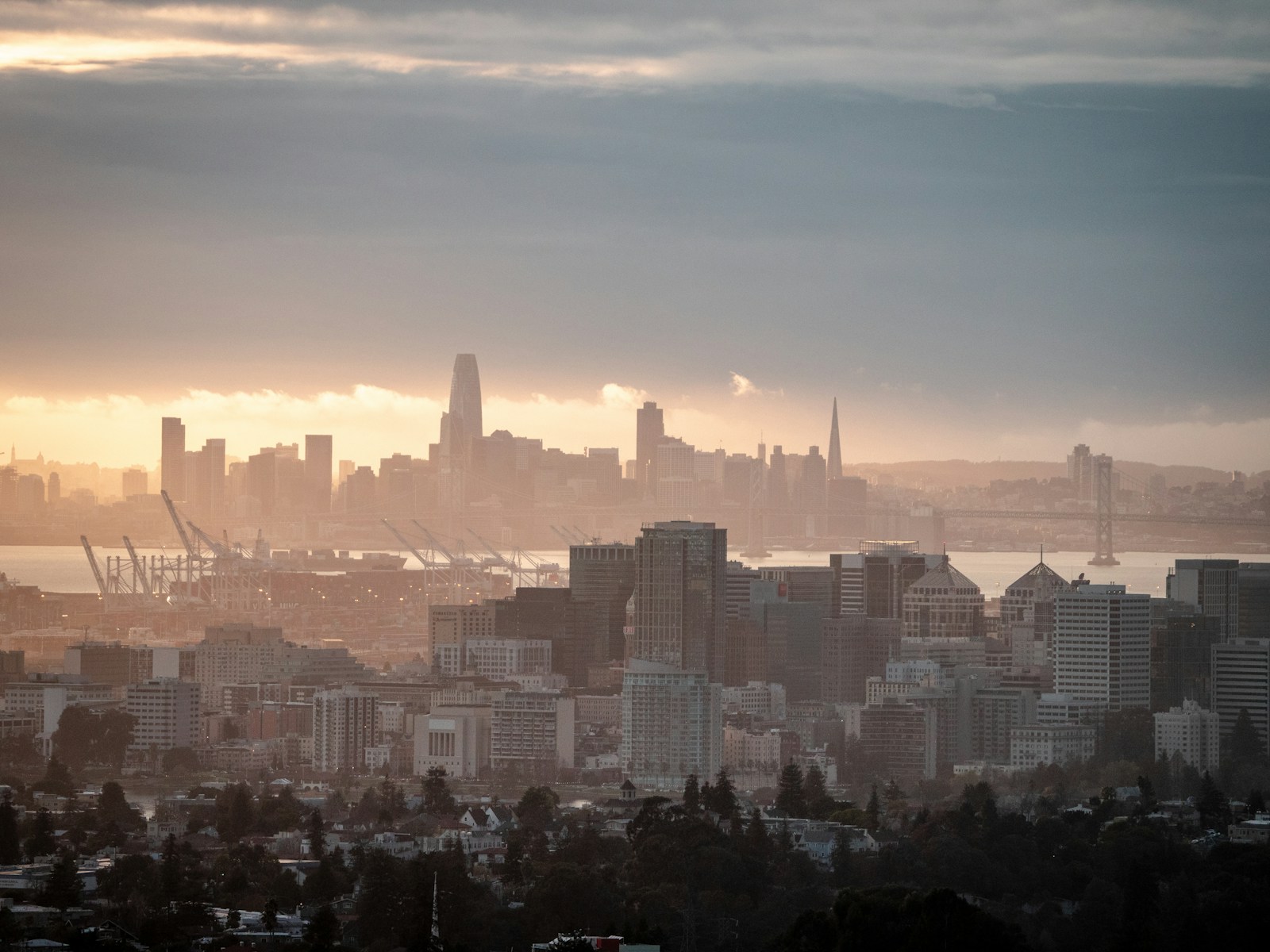
For decades, the popular image of an artificial intelligence pioneer has been narrow and predictable: young, male, highly technical, venture-backed, and working out of a polished office in Silicon Valley. But in San Francisco today, that stereotype is quietly falling apart.
A new generation of AI dreamers is emerging — artists, immigrants, community organizers, self-taught technologists, writers, and outsiders who don’t fit the traditional tech mold. They are building, experimenting, and imagining AI not just as a tool for profit, but as a means of expression, survival, and social change.
This article expands on recent reporting by exploring who these unconventional AI builders are, why they matter, what’s often overlooked in mainstream tech narratives, and how they may influence the future of artificial intelligence in unexpected ways.

A Different Kind of AI Scene Is Taking Shape
San Francisco remains a global center of AI, but the culture is shifting.
Alongside well-funded startups and corporate labs, there is a parallel ecosystem of:
- Independent creators using AI for art, music, and storytelling
- Immigrants and first-generation Americans applying AI to real-world problems they know firsthand
- Self-taught technologists building tools without formal credentials
- Community-focused builders prioritizing accessibility over scale
These individuals often work outside venture capital pipelines and traditional tech hierarchies.
Who Are These AI Dreamers?
Creators Before Coders
Many of these builders come from creative backgrounds:
- Writers using generative AI to explore new forms of narrative
- Visual artists experimenting with machine-generated imagery
- Musicians blending AI with human performance
For them, AI is not just engineering — it’s a medium.
Immigrants and Outsiders
San Francisco’s AI scene includes many people who:
- Learned technology informally
- Entered tech later in life
- Built skills out of necessity rather than prestige
Their lived experiences shape how they think about fairness, language, identity, and access in AI systems.
Builders Solving Personal Problems
Instead of chasing billion-dollar markets, many are focused on:
- Translation tools for underserved languages
- Mental health support systems
- Education aids for students left behind by traditional systems
- Tools for small businesses and gig workers
These projects may never become unicorns — but they matter deeply to the communities they serve.
Why They Don’t Fit the Stereotype
They’re Not Chasing the Same Goals
Traditional tech success is measured by:
- Funding rounds
- User growth
- Exits
Many of these AI dreamers measure success differently:
- Creative fulfillment
- Community impact
- Sustainability
- Personal independence
They Often Reject Silicon Valley Norms
Some deliberately avoid:
- Hypergrowth expectations
- 80-hour workweeks
- Venture capital influence
They prefer slower, values-driven experimentation — even if it means fewer resources.

What the Mainstream AI Conversation Misses
Innovation Doesn’t Only Come From Power Centers
Groundbreaking ideas don’t always emerge from elite labs. Often, they come from:
- People close to real problems
- Those forced to improvise
- Communities overlooked by mainstream tech
These perspectives can surface risks and opportunities that dominant players miss.
Diversity Shapes AI Outcomes
Who builds AI influences:
- Which problems get prioritized
- How bias is addressed
- Whose voices are represented
A narrow builder class produces narrow systems. A broader one creates more resilient technology.
Cultural AI Is Becoming as Important as Commercial AI
AI isn’t just optimizing logistics or advertising. It’s shaping:
- Art and culture
- Identity and self-expression
- How people understand themselves
These dreamers are influencing AI’s cultural role long before it shows up in revenue models.
The Challenges They Face
Despite their creativity, these builders struggle with:
- Limited funding
- Rising living costs in San Francisco
- Lack of institutional support
- Skepticism from traditional tech gatekeepers
Many operate at the margins — by choice and by constraint.
Why San Francisco Still Matters
Even as some tech companies move elsewhere, San Francisco remains important because:
- It concentrates diverse talent
- It fosters cross-pollination between art, activism, and technology
- It tolerates experimentation and unconventional paths
The city’s contradictions make it fertile ground for nontraditional innovation.
What This Means for the Future of AI
As AI becomes more powerful, the question is no longer just what can be built, but who gets to build it.
If AI is shaped only by:
- Corporations
- Governments
- Elite institutions
its outcomes will reflect those priorities.
The presence of these dreamers suggests another possibility: AI shaped by pluralism, creativity, and lived experience.
Frequently Asked Questions
Are these AI dreamers competing with big tech companies?
Not directly. Many are exploring different goals entirely — cultural, artistic, or community-based rather than commercial dominance.
Do they have technical skills?
Yes, though not always formal ones. Many are self-taught or blend technical ability with creative and social insight.
Can projects like these scale?
Some may, but scale isn’t always the objective. Impact can exist without massive growth.
Why is San Francisco still central to this?
Its density of talent, openness to experimentation, and cultural diversity create unique conditions for unconventional innovation.
Will these builders influence mainstream AI?
Indirectly, yes. Cultural norms, ethical debates, and creative uses often shape how technology is eventually adopted at scale.
Final Thoughts
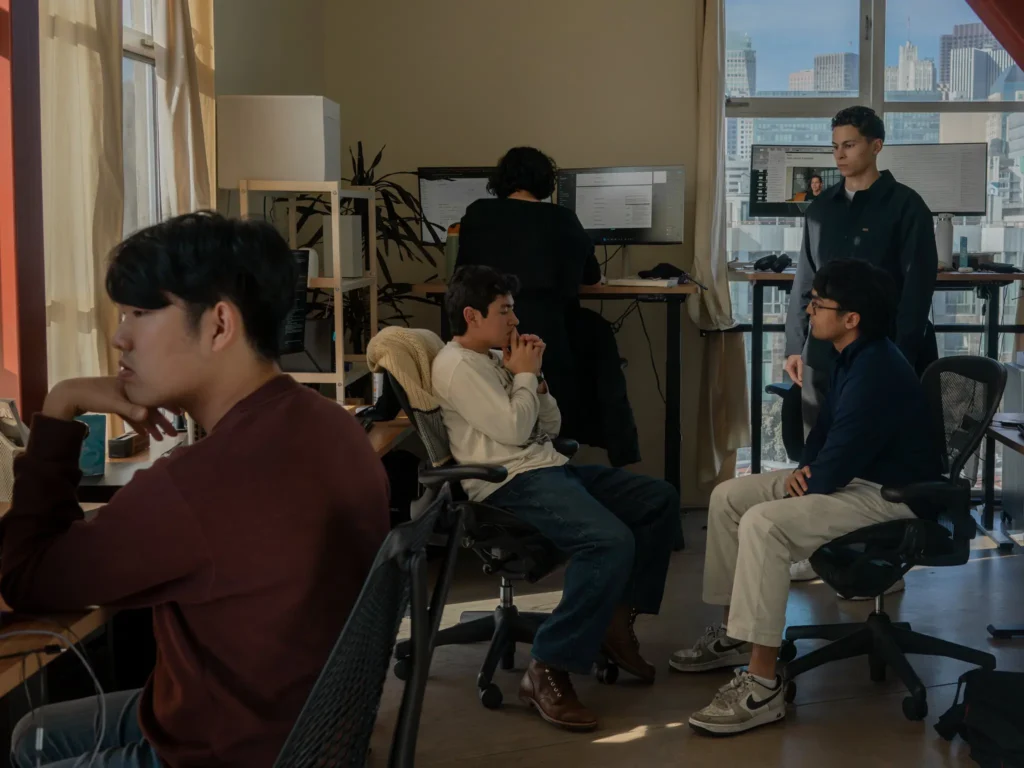
The future of artificial intelligence isn’t being built by one type of person, in one type of office, for one type of outcome.
In San Francisco, a quieter movement is unfolding — one driven by dreamers who don’t fit the stereotype but may shape AI’s human impact in lasting ways.
They remind us of something easy to forget in an era of massive models and trillion-dollar valuations:
Technology is not just about power.
It’s about people — and imagination.
Sources The New York Times


For most recent news you have to pay a quick visit web and on web I found
this web page as a finest web page for newest updates.