Artificial intelligence has rapidly become one of the most transformative technologies of the 21st century. From generative AI tools to automated scientific research and advanced robotics, AI systems are reshaping how businesses operate and how people interact with technology. Yet behind this revolution lies an often-overlooked reality: AI requires enormous amounts of energy, and the infrastructure supporting it is growing at an unprecedented scale.
Across the world, technology companies are building massive data centers designed specifically to power AI workloads. These facilities, packed with specialized processors and cooling systems, consume vast amounts of electricity—sometimes rivaling the energy demand of entire cities. As AI adoption accelerates, the energy demands of these data centers are becoming one of the most critical challenges facing the tech industry, energy providers and policymakers.
Understanding how AI data centers work, why they consume so much power and what can be done to make them more sustainable is essential as society moves deeper into the age of artificial intelligence.

Why AI Requires So Much Energy
Artificial intelligence systems—particularly large language models and deep learning systems—require intensive computational processes. Training these models involves analyzing enormous datasets and performing trillions of calculations.
Key factors contributing to AI’s high energy consumption include:
Massive Computing Requirements
Training large AI models requires thousands of high-performance processors such as GPUs and AI accelerators working simultaneously.
Continuous Operation
Once AI systems are deployed, they must handle millions of user requests every day, meaning data centers operate around the clock.
High Data Throughput
AI models constantly move data between storage systems and processors, which requires substantial energy.
Cooling Systems
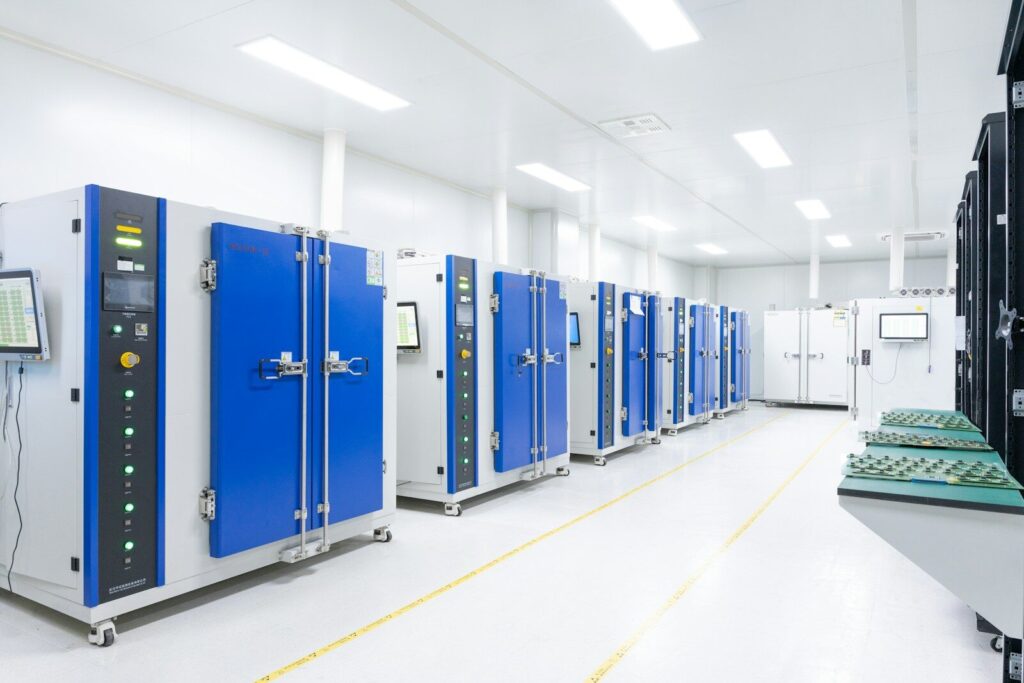
The powerful chips used for AI generate large amounts of heat. Data centers must use sophisticated cooling technologies to maintain safe operating temperatures.
As AI models grow larger and more complex, the amount of electricity required to power them continues to increase.
The Rise of AI-Specific Data Centers
Traditional data centers were designed to handle web hosting, email services and cloud storage. AI workloads, however, require far more computational power.
To meet these demands, companies are building AI-focused hyperscale data centers equipped with:
- High-density GPU clusters
- Advanced networking systems
- Specialized AI accelerators
- Liquid cooling technologies
- Massive energy supply infrastructure
These facilities are often located near major power grids or renewable energy sources to support their energy needs.
Some of the world’s largest technology companies—including Microsoft, Amazon, Google, Meta and emerging AI startups—are investing billions of dollars in expanding their data center networks.
The Global Expansion of AI Infrastructure
The demand for AI computing power is driving one of the largest infrastructure expansions in the history of the technology industry.
New data centers are being constructed in regions such as:
- North America
- Europe
- the Middle East
- Southeast Asia
- parts of Africa and Latin America
Governments and local authorities often compete to attract these facilities because they bring significant investment and technological development.
However, the scale of these projects is raising concerns about their impact on energy grids and natural resources.
The Energy Grid Challenge
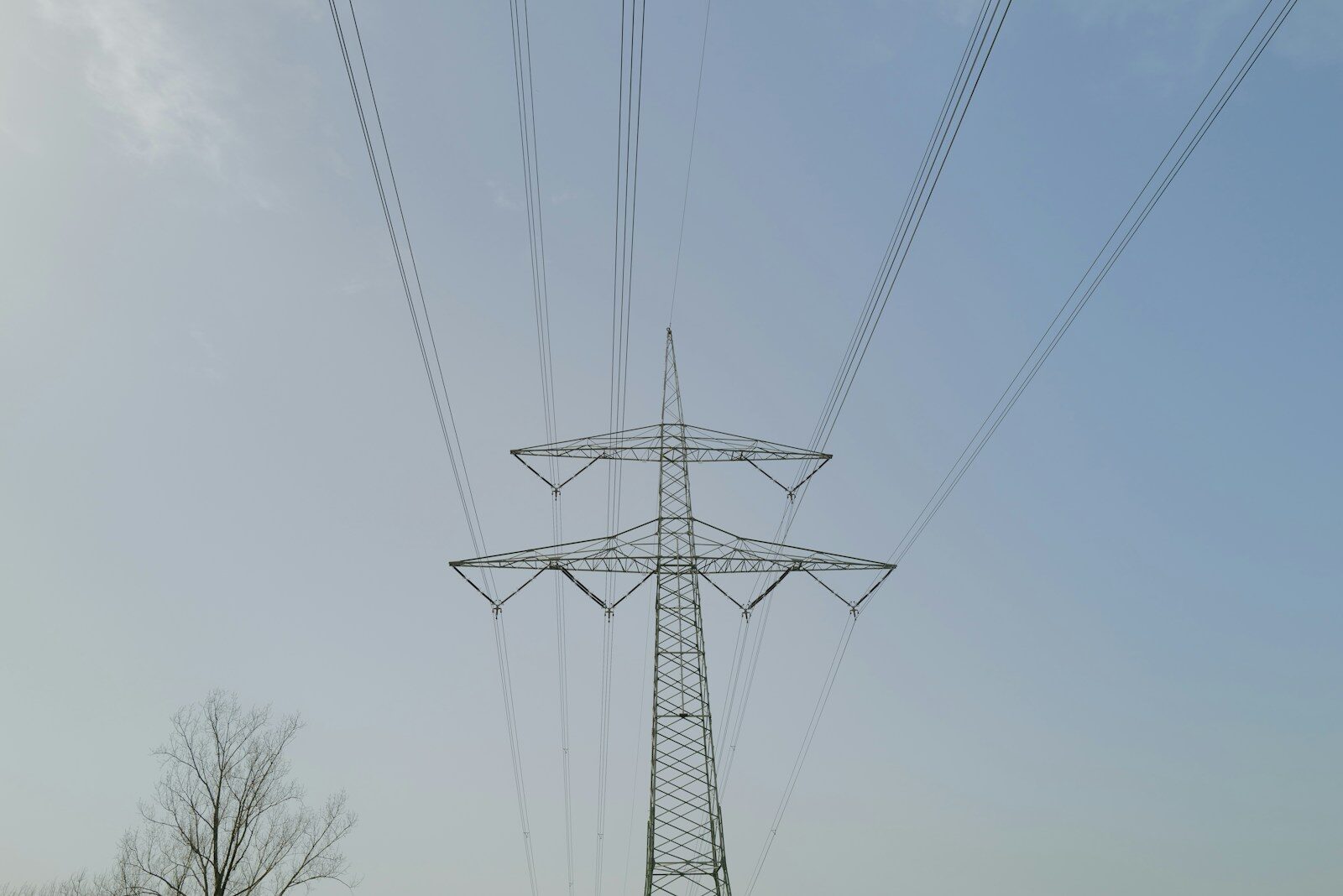
AI data centers require enormous and stable power supplies. A single hyperscale facility can consume hundreds of megawatts of electricity.
This demand presents several challenges for regional energy systems.
Grid Capacity
Some regions may struggle to supply enough electricity without upgrading infrastructure.
Energy Pricing
Large data centers can influence local electricity prices due to their high demand.
Power Reliability
AI services require consistent uptime, which means data centers often need backup power systems.
Infrastructure Investment
Utilities may need to expand transmission lines and power plants to support new facilities.
As more AI data centers come online, energy providers must adapt quickly to meet growing demand.
Environmental Concerns
The environmental impact of AI data centers is becoming a growing concern.
Major issues include:
Carbon Emissions
If data centers rely on fossil fuels for electricity, they can significantly increase carbon emissions.
Water Usage
Some cooling systems require large amounts of water to maintain safe temperatures.
Land Use
Large data center campuses require extensive physical space and infrastructure.
Electronic Waste
High-performance processors may need frequent upgrades, contributing to electronic waste.
Environmental groups are urging technology companies to adopt more sustainable practices as AI infrastructure expands.
Renewable Energy and Sustainable Solutions
To address these challenges, many companies are investing in renewable energy sources.
Common strategies include:
- building solar and wind farms near data centers
- purchasing renewable energy credits
- improving energy efficiency in AI hardware
- developing more efficient cooling systems
- designing energy-efficient AI algorithms
Some companies are also exploring innovative cooling methods such as liquid immersion cooling, which can significantly reduce energy consumption.
Advances in chip design may also help reduce the power required for AI computations.
The Role of Governments and Regulation
Governments are beginning to recognize the potential impact of AI data centers on energy systems and environmental sustainability.
Policy discussions increasingly focus on:
- energy efficiency standards for data centers
- incentives for renewable-powered facilities
- infrastructure planning for electricity demand
- environmental regulations for large technology projects
Balancing economic growth from AI infrastructure with environmental sustainability will likely become a major policy issue in the coming years.
The Future of AI Energy Consumption
Experts expect AI energy demand to continue rising as new applications emerge.
Potential future developments include:
- AI-powered robotics
- autonomous transportation systems
- advanced scientific simulations
- personalized digital assistants
- smart city infrastructure
Each of these technologies could require substantial computing resources.
At the same time, researchers are working to develop more energy-efficient AI models and hardware that can deliver powerful performance with lower electricity consumption.
The race to make AI both powerful and sustainable may become one of the defining technological challenges of the next decade.
Frequently Asked Questions (FAQs)
1. Why do AI data centers consume so much electricity?
AI models require massive computational power for training and operation. High-performance processors and cooling systems consume large amounts of energy.
2. How big are AI data centers?
Some hyperscale AI data centers can occupy hundreds of thousands of square feet and contain tens of thousands of processors.
3. Are AI data centers bad for the environment?
They can have environmental impacts, particularly if powered by fossil fuels. However, many companies are investing in renewable energy and efficiency improvements.
4. Can renewable energy power AI infrastructure?
Yes. Many technology companies are building data centers powered by solar, wind or hydroelectric energy.
5. Why are companies building so many new data centers?
Demand for AI services is growing rapidly, requiring more computing infrastructure to process data and run AI models.
6. Could AI energy demand affect electricity prices?
Large data centers can increase regional electricity demand, which may influence local energy markets.
7. Will AI become more energy efficient in the future?
Researchers are developing new AI architectures and specialized chips designed to reduce energy consumption.
Conclusion
Artificial intelligence promises extraordinary benefits for science, industry and everyday life. But the infrastructure required to power this revolution comes with significant challenges.
The explosive growth of AI data centers is reshaping global energy systems, forcing governments, technology companies and utilities to rethink how electricity is generated and consumed.
Ensuring that the AI revolution remains sustainable will require innovations in energy production, data center design and AI hardware efficiency. As the world becomes increasingly dependent on artificial intelligence, balancing technological progress with environmental responsibility will be more important than ever.
Sources The Atlantic