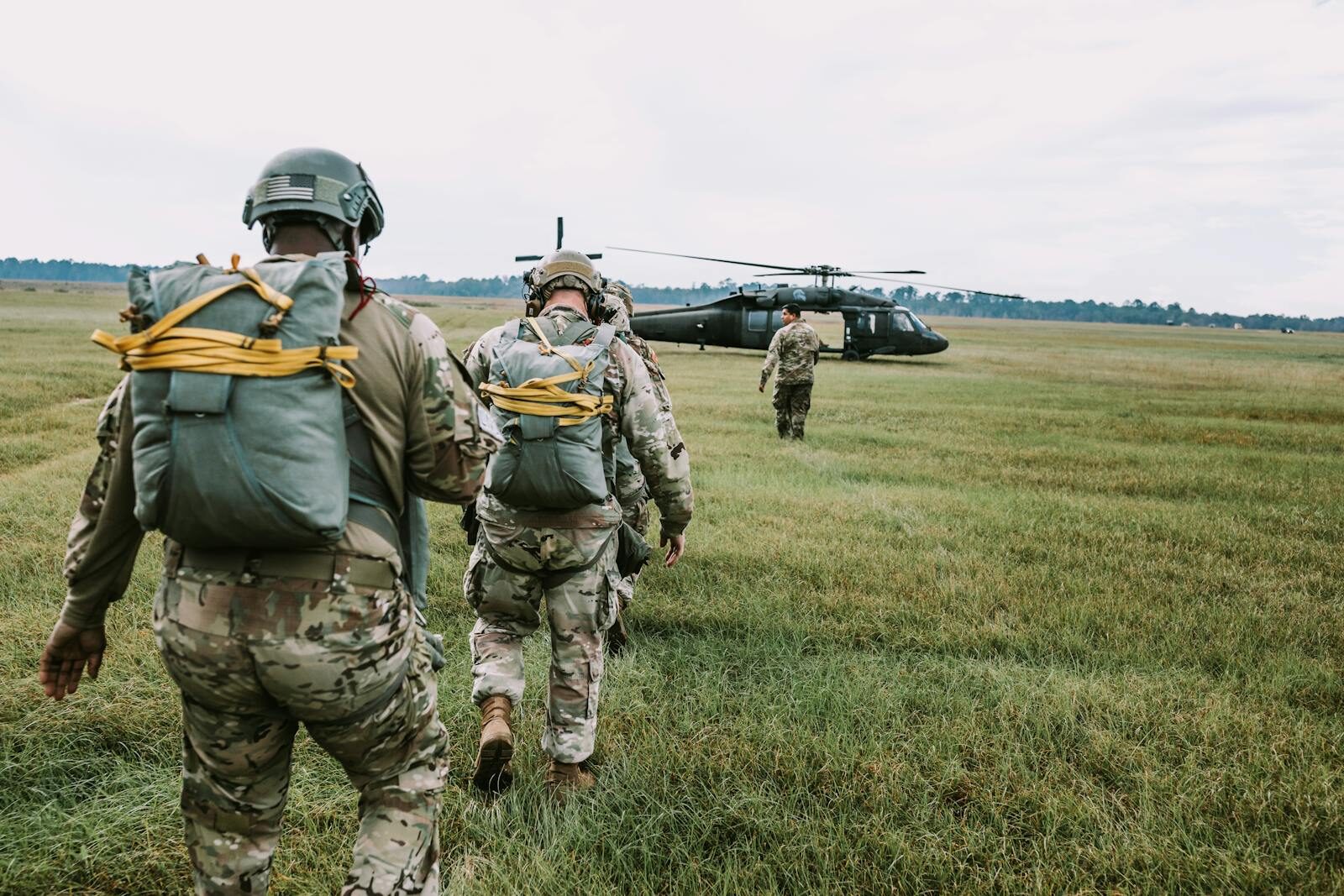
The rapid expansion of artificial intelligence into government and defense sectors is raising complex ethical, political and technological questions. A recent leadership shake-up at OpenAI highlights these tensions. The company’s robotics head stepped down shortly after OpenAI entered a new agreement involving U.S. defense agencies, including the Pentagon.
The departure has sparked renewed discussion about the role of AI companies in military development, the ethical responsibilities of technology leaders and the growing influence of artificial intelligence in national security.
As AI becomes a critical strategic technology, the intersection between Silicon Valley innovation and military priorities is becoming increasingly complicated.
The Expanding Role of AI in Defense
Artificial intelligence has become one of the most important technologies for modern military operations. Governments around the world are investing heavily in AI-driven systems that can enhance decision-making, intelligence analysis and battlefield capabilities.
Defense agencies are exploring AI applications in areas such as:
- Surveillance and reconnaissance systems
- Autonomous drones and robotic platforms
- Cybersecurity and cyber warfare tools
- Predictive logistics and maintenance systems
- Data analysis for intelligence operations
The U.S. Department of Defense has identified artificial intelligence as a key component of future military strategy. By leveraging AI, defense planners hope to process vast amounts of data more efficiently and respond faster to emerging threats.
However, the integration of AI into defense programs has sparked debate among technologists, ethicists and policymakers.
Why the Resignation Matters
Leadership departures at major technology companies often reflect deeper strategic disagreements or cultural tensions. In this case, the resignation of a senior robotics leader shortly after a defense-related agreement suggests that not everyone in the AI community is comfortable with closer collaboration between tech companies and military institutions.
The issue is not new. Over the past decade, technology firms have faced internal disputes over defense contracts involving AI and data analytics.
Some employees argue that:
- AI should not be used for warfare or surveillance
- Tech companies should remain neutral and avoid military partnerships
- Defense applications risk escalating global conflicts
Others believe that responsible collaboration with democratic governments is necessary to ensure national security and prevent authoritarian states from gaining technological advantages.
The Debate Inside the AI Industry
The controversy surrounding AI and defense work reflects broader debates within the technology sector.
Ethical Concerns
Critics worry that AI systems could be used to build autonomous weapons capable of making life-and-death decisions without human oversight.
Strategic Competition
Supporters of defense partnerships argue that countries must develop AI capabilities to maintain strategic stability and deter adversaries.
Corporate Responsibility
Technology companies increasingly face pressure to define ethical guidelines governing how their products are used.
These competing perspectives create tension within organizations where employees may hold strongly differing views about the appropriate role of AI in military contexts.
OpenAI’s Changing Relationship With Governments
OpenAI originally emerged as a research organization focused on advancing artificial intelligence for the benefit of humanity. Over time, as the technology matured and commercial applications expanded, the company began working more closely with industry partners and government organizations.
In recent years, AI companies have entered partnerships with public sector institutions to support:
- Cybersecurity initiatives
- Disaster response planning
- Public sector data analysis
- National security research
While these collaborations can provide valuable resources and expertise, they also raise questions about how private companies balance innovation with ethical considerations.
The Rise of Military AI Worldwide
The United States is not alone in pursuing AI-powered defense capabilities. Governments around the world are investing heavily in military AI research.
China
China has made AI development a national priority and is exploring autonomous systems, surveillance technologies and AI-driven command systems.
Russia
Russia has experimented with AI-assisted weapons systems, robotics and cyber warfare technologies.
European Nations
European countries are researching AI applications for defense coordination, cybersecurity and intelligence analysis.
As global competition intensifies, AI is increasingly viewed as a strategic technology that could influence geopolitical power balances.
The Ethical Questions Around Autonomous Weapons
One of the most controversial aspects of military AI is the possibility of autonomous weapons systems.
These systems could potentially:
- Identify targets using AI vision systems
- Make engagement decisions without direct human input
- Operate independently on the battlefield
Critics argue that autonomous weapons raise serious ethical concerns, including:
- Lack of accountability if mistakes occur
- Increased risk of unintended escalation
- Reduced human control over lethal force
Some international organizations and advocacy groups are calling for global agreements restricting or banning fully autonomous weapons.
The Role of Robotics in Military AI
Robotics research plays a critical role in military AI development. Advanced robotic systems are being explored for tasks such as:
- Explosive ordnance disposal
- Autonomous reconnaissance
- Battlefield logistics support
- Search and rescue missions
Robotics combined with AI allows machines to navigate complex environments, interpret sensor data and perform tasks that would be dangerous for human soldiers.
However, integrating robotics with AI decision-making capabilities also increases concerns about automation in warfare.
The Future of AI Governance
As AI technologies become more powerful, governments and international organizations are beginning to consider new regulatory frameworks.
Potential approaches include:
- International agreements on autonomous weapons
- Ethical guidelines for military AI development
- Transparency requirements for AI systems used in defense
- Oversight mechanisms to ensure human control
Balancing innovation with safety will likely become one of the defining policy challenges of the AI era.
The Tension Between Innovation and Ethics
The resignation of a robotics leader following a defense-related agreement highlights a broader challenge facing the technology industry.
AI companies must navigate a complex landscape where:
- Governments seek advanced technologies for security purposes
- Employees and researchers demand ethical safeguards
- Investors and partners expect continued innovation
Managing these competing pressures will shape how artificial intelligence evolves in the coming years.
Frequently Asked Questions (FAQs)
1. Why did the OpenAI robotics head resign?
While specific reasons may vary, the resignation occurred shortly after a defense-related agreement involving the Pentagon, suggesting potential disagreements over military applications of AI.
2. Why are governments interested in AI technologies?
AI can improve intelligence analysis, automate complex processes and enhance military decision-making, making it strategically valuable for national security.
3. What are autonomous weapons?
Autonomous weapons are systems that can identify and attack targets without direct human control. These systems are controversial due to ethical and safety concerns.
4. Are tech companies required to work with the military?
No. Partnerships between technology companies and defense agencies are voluntary, though governments often seek collaboration with private-sector innovators.
5. Why do some tech employees oppose military AI projects?
Critics worry that AI technologies could be used for warfare, surveillance or other applications that conflict with ethical principles.
6. Is military AI already being used today?
Yes. AI is already used in intelligence analysis, logistics, cybersecurity and some autonomous systems, though fully autonomous weapons remain highly debated.
7. Will AI reshape the future of warfare?
Many experts believe AI will significantly influence military strategy by improving data analysis, automation and decision-making speed.
Conclusion
Artificial intelligence is rapidly becoming one of the most strategically important technologies in the world. As governments seek to harness AI for defense and security, technology companies are finding themselves at the center of complex ethical debates.
The resignation of a senior robotics leader after a defense-related agreement underscores the challenges facing the AI industry. Balancing innovation, national security and ethical responsibility will require careful dialogue among technologists, policymakers and society.
The future of AI will not only depend on technological breakthroughs—but also on how humanity chooses to govern and deploy these powerful tools.
Sources Reuters