SpaceX is reportedly preparing to compete in a Pentagon contest focused on autonomous drone technology — a move that underscores how artificial intelligence is reshaping modern defense strategy.
The development signals more than a new contract bid. It reflects a broader transformation in military priorities: from manned platforms to intelligent, networked, autonomous systems capable of operating at scale and speed beyond human control.
This article explores what SpaceX’s potential involvement means, how autonomous military drones are evolving, why the Pentagon is accelerating AI adoption, what risks and ethical concerns accompany this shift, and how it could reshape global security dynamics.

Why Autonomous Drones Are a Strategic Priority
Modern warfare is increasingly defined by:
- Speed of decision-making
- Precision targeting
- Data dominance
- Distributed systems
Autonomous drones powered by AI promise advantages in all four areas.
Unlike traditional systems, AI-enabled drones can:
- Navigate independently
- Identify targets
- Coordinate in swarms
- Adapt to changing battlefield conditions
This reduces reliance on continuous human input.
What SpaceX Brings to the Table
SpaceX is not primarily a drone manufacturer. However, it brings strategic assets that could be pivotal:
1. Satellite Infrastructure
SpaceX’s satellite network provides:
- Low-latency communication
- Global connectivity
- Resilient battlefield networking
Autonomous systems rely heavily on real-time data exchange.
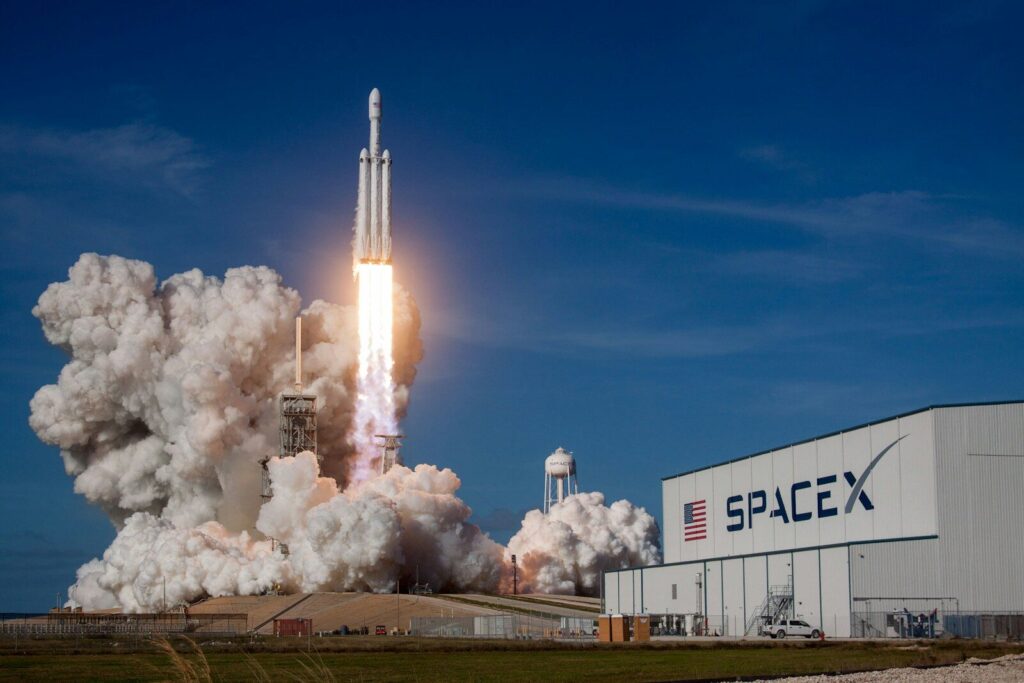
2. Launch Capabilities
Rapid satellite deployment enhances:
- Intelligence gathering
- Battlefield coordination
- Redundancy in contested environments
3. Engineering and AI Talent
SpaceX’s experience with:
- Autonomous rocket landing systems
- Advanced guidance algorithms
- Complex systems integration
positions it as a serious competitor in AI-driven defense technology.
The Pentagon’s Broader Strategy
The US Department of Defense is increasingly focused on:
- Autonomous systems
- AI-assisted decision support
- Uncrewed platforms
- Distributed combat networks
The goal is to maintain technological superiority in an era where peer competitors are investing heavily in similar capabilities.
Why AI Changes the Battlefield
Autonomous drones differ from remotely piloted systems in key ways:
- Reduced human latency
- Enhanced survivability
- Scalable deployment
- Swarm coordination
In high-speed combat environments, milliseconds matter. AI can operate at machine speed.
Ethical and Strategic Concerns
1. Lethal Autonomy
The possibility of AI systems making lethal decisions raises profound ethical questions:
- Should machines be allowed to select and engage targets?
- What constitutes meaningful human control?
- Who bears responsibility for mistakes?
International debates over autonomous weapons are ongoing.
2. Escalation Risk
Autonomous systems could:
- Accelerate conflict timelines
- Increase miscalculation risk
- Reduce deliberation windows
Machine-speed warfare compresses decision cycles.
3. Cybersecurity Vulnerabilities
Autonomous networks depend on:
- Secure communications
- Software integrity
- Resilient AI models
Compromise could have catastrophic consequences.
The Global Context
Other nations are also advancing autonomous drone capabilities.
Competition includes:
- AI-driven surveillance systems
- Swarm technologies
- Counter-drone defenses
This reflects a broader technological arms race centered on AI-enabled defense.
What Often Goes Unsaid
Defense AI Spurs Commercial Innovation
Military investment often accelerates:
- AI research
- Robotics development
- Satellite networking
Technologies developed for defense frequently influence civilian markets.
Oversight Mechanisms Lag Behind
International frameworks for regulating autonomous weapons remain limited.
Unlike nuclear weapons treaties, AI-based systems lack comprehensive global governance.
Public Perception Matters
As private tech companies engage more deeply in defense contracts, internal workforce and public scrutiny intensifies.
Balancing innovation with ethical concerns becomes a corporate as well as governmental issue.
Frequently Asked Questions
Why is the Pentagon investing in autonomous drones?
To enhance operational speed, reduce personnel risk, and maintain technological superiority.
Does this mean fully autonomous weapons are imminent?
Some systems already incorporate high levels of autonomy, but debates continue over the degree of human control required.
What role would SpaceX play?
Likely in satellite connectivity, systems integration, and possibly AI-enabled coordination infrastructure.
Are autonomous weapons legal?
There is no comprehensive international ban, but ongoing discussions seek to establish norms and safeguards.
Could this trigger a global AI arms race?
AI-enabled military competition is already intensifying among major powers.

Final Thoughts
SpaceX’s entry into the Pentagon’s autonomous drone contest reflects a pivotal shift in defense technology.
Artificial intelligence is no longer confined to labs or consumer applications — it is becoming central to national security strategy.
The question is not whether AI will shape the future of warfare.
It already is.
The deeper question is whether governance, ethics, and international coordination can evolve quickly enough to manage a world where machines increasingly operate at the front lines.
Because in autonomous conflict, speed may be decisive — but wisdom remains essential.
Sources Bloomberg