

BMW is testing humanoid robots in its factories, raising an important question: could human-shaped robots help build the cars of the future?
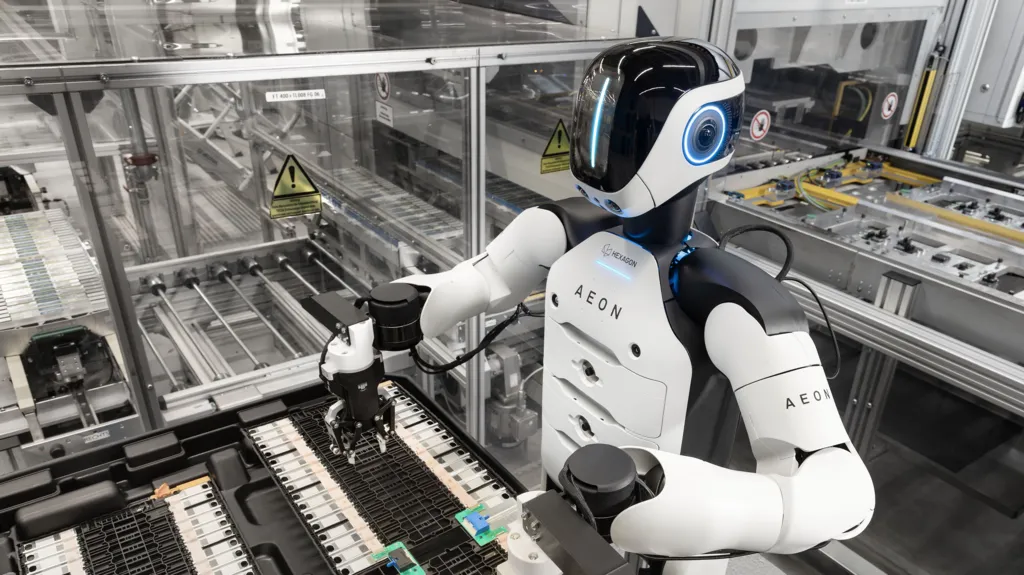
Car factories already use many robots, especially for jobs like welding, painting, and lifting heavy parts. But most of these machines are fixed in one place and designed for one specific task. Humanoid robots are different. Because they are shaped more like people, they could move around factory floors, use tools, carry parts, and work in spaces originally designed for human workers.
The goal is not to have robots instantly replace people, but to use them for repetitive, tiring, or physically difficult jobs.
Why Humanoid Robots?
Traditional factory robots are powerful and precise, but they are not very flexible. If a carmaker changes a production process, a fixed robot may need expensive reprogramming or replacement.
Humanoid robots could be more adaptable. In theory, one robot could move between different workstations and perform several tasks in a single shift. That flexibility is attractive to car companies, especially as factories build more electric vehicles and customized models.
What Could They Do?
At first, humanoid robots would likely handle simple jobs, such as:
- Carrying parts between workstations
- Picking up and placing components
- Holding parts while humans assemble them
- Checking items for quality problems
- Taking over repetitive lifting or bending tasks
These jobs may sound basic, but they can be tiring for human workers and difficult to automate with traditional machines.
Why Car Factories Are a Good Test Site
Car factories are structured environments. Unlike homes or busy public spaces, factories have clear layouts, repeated tasks, and strict routines. That makes them easier places for robots to learn and work safely.
Automakers also have strong reasons to invest in automation. Robots could help reduce injuries, improve efficiency, and support production when companies struggle to find enough workers for physically demanding roles.
The Role of Artificial Intelligence
Modern humanoid robots rely heavily on artificial intelligence. AI helps them recognize objects, move around obstacles, adjust their grip, and learn new tasks.
However, factory work requires a very high level of reliability. A robot that works well in a demonstration but often stops or makes mistakes is not useful on a busy production line. For humanoid robots to become common, they must become safer, faster, and more dependable.
The Challenges
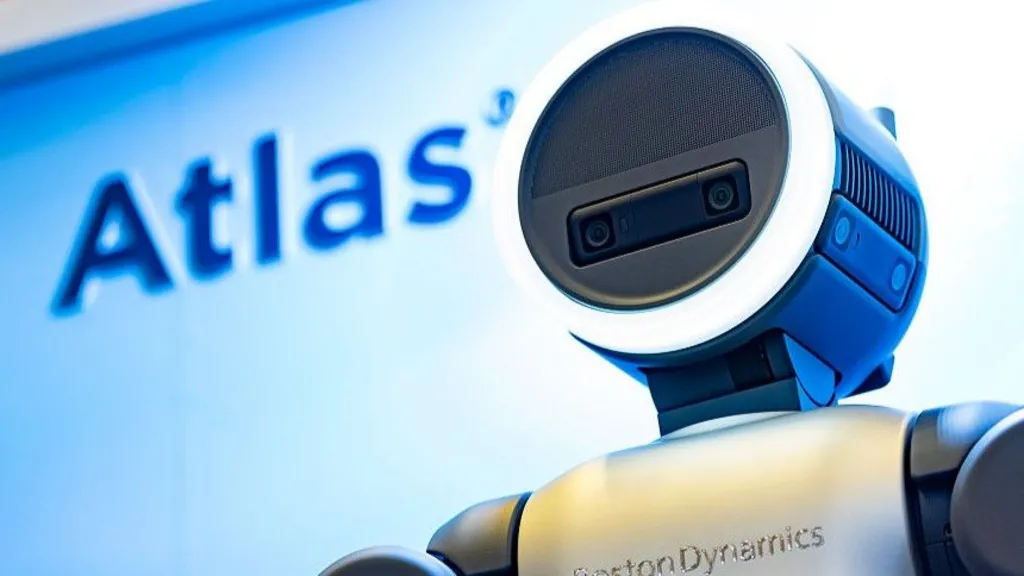
Humanoid robots still face major hurdles. They are expensive, their battery life can be limited, and they are not yet as skilled as humans at handling small or awkward objects.
Safety is another major concern. Robots working near people must be able to avoid collisions, stop quickly, and behave predictably.
There is also the question of jobs. Many workers worry that robots could replace them. In the short term, though, humanoid robots are more likely to assist people than fully replace them. They may take over the most repetitive or physically stressful tasks while humans handle problem-solving, supervision, and more complex work.
BMW Is Not Alone
BMW is part of a wider trend. Tesla, Mercedes-Benz, Hyundai, and several robotics start-ups are also exploring humanoid robots for factories and warehouses. Companies are racing to see whether these machines can become useful everyday tools rather than just impressive prototypes.
What Happens Next?
Humanoid robots will not take over car factories overnight. The first uses will probably be limited and carefully controlled. They may start in logistics, parts handling, and inspection before moving into more complex assembly work.
If the technology improves and costs fall, humanoid robots could become a normal part of future factories, working alongside people and traditional machines.
For now, BMW’s experiments show that carmakers are taking the idea seriously. The future of car manufacturing may not be fully robotic, but it is likely to include more robots that look and move a little more like us.
Frequently Asked Questions
1. Are humanoid robots already building cars?
Not fully. They are being tested for simple tasks such as moving parts, placing components, and assisting workers.
2. Why do robots need to look like humans?
Factories are designed for human workers. A human-shaped robot may be able to use the same spaces, tools, shelves, and workstations without major changes.
3. Will humanoid robots replace car factory workers?
Not immediately. They are more likely to help with repetitive, tiring, or unsafe tasks. Human workers will still be needed for problem-solving, quality control, maintenance, and supervision.
4. What makes humanoid robots different from normal factory robots?
Normal factory robots are usually fixed in one place and do one job. Humanoid robots can move around and may eventually perform many different tasks.
5. When will humanoid robots become common in factories?
It will likely take several years. They need to become cheaper, safer, faster, and more reliable before they are widely used.
Sources BBC

