
Artificial intelligence is everywhere — writing code, answering questions, powering businesses. But behind the screens and algorithms lies something far less abstract: electricity. A lot of it.
As electricity bills climb in parts of the United States, lawmakers are asking an uncomfortable question: Is the AI boom making power more expensive for everyone else? That question has pushed senators to investigate whether massive AI data centers are quietly driving up electricity costs — and whether everyday consumers are footing the bill.
This debate marks a new phase in the AI conversation. It’s no longer just about innovation and speed. It’s about who pays to keep the servers running.
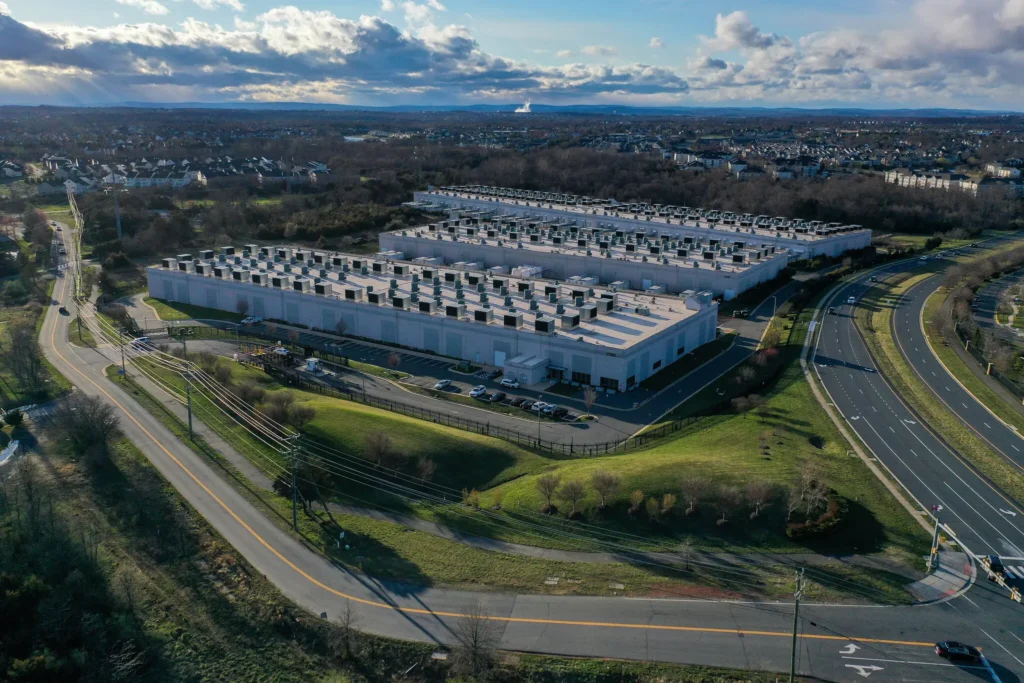
Why AI Data Centers Are Suddenly Under Scrutiny
AI data centers don’t behave like normal buildings. They operate around the clock, draw enormous amounts of power, and place intense pressure on local grids.
In some regions, a single AI facility can use as much electricity as a small city. Multiply that across dozens of facilities, and the impact becomes impossible to ignore.
Lawmakers are responding to:
- rapidly rising demand from AI infrastructure
- electricity price increases in data-center-heavy regions
- costly grid upgrades passed on to ratepayers
- fears that residential customers are subsidizing Big Tech
The concern isn’t theoretical — it shows up every month on power bills.
How AI Data Centers Can Push Prices Higher
Constant, High-Density Power Use
Unlike factories that shut down overnight or offices that slow on weekends, AI data centers run nonstop. Servers, cooling systems, and backup power all draw electricity continuously.
That steady demand forces utilities to:
- buy more power, even during peak hours
- rely on expensive backup generation
- expand capacity faster than planned
Those costs don’t disappear — they’re often passed along to customers.
Grid Upgrades Paid by Everyone
To handle massive new loads, utilities must build:
- new substations
- upgraded transmission lines
- reinforced local distribution networks
In many states, regulators allow utilities to recover those investments through rate increases. That means households and small businesses may help fund infrastructure built for corporate AI expansion.
Local Impact, National Consequences
Electricity pricing is regional. When data centers cluster in certain states, residents there feel the impact first — higher bills, tighter supply during heat waves, and more volatile pricing.
That’s why senators from affected regions are leading the charge.
What Tech Companies Say in Response
Tech firms argue that AI data centers:
- create jobs and boost local economies
- invest heavily in renewable energy
- modernize aging power infrastructure
- help maintain U.S. leadership in AI
Many companies sign long-term wind and solar contracts or claim carbon-neutral operations. But critics point out that clean-energy credits don’t always reduce strain on local grids, especially during peak demand.

The Renewable Energy Reality Check
Renewables help — but they don’t solve everything.
Key challenges include:
- solar and wind aren’t always available when demand peaks
- clean power may be generated far from where it’s needed
- fossil fuels still back up the grid during high demand
As a result, AI facilities often rely on the same power mix as everyone else — just at much larger scale.
Utilities Are Stuck in the Middle
Utilities face a tough choice:
- approve data centers and risk backlash over higher bills
- limit expansion and face economic pressure
- negotiate special pricing structures with tech firms
Some utilities are now exploring special data center rates to ensure large users pay more for infrastructure and peak demand. Others want companies to fund grid upgrades directly.
Why This Matters Beyond Electricity Bills
This isn’t just about monthly expenses. Lawmakers are also worried about:
- grid reliability during extreme weather
- energy security as AI demand accelerates
- whether unchecked growth could trigger shortages
- how energy limits might shape future AI development
AI policy and energy policy are becoming inseparable.
What Could Change Next
The investigation could lead to:
- higher electricity rates specifically for data centers
- stricter approval processes for new facilities
- requirements for on-site generation or storage
- more transparency about energy usage
- rules ensuring companies pay their full infrastructure costs
Any of these changes could reshape how and where AI grows.
The Bigger Picture: AI Has Real-World Costs
AI often feels invisible — lines of code in the cloud. But it’s built on very physical foundations:
- electricity
- water
- land
- grid infrastructure
As AI expands, society must decide how those costs are shared — and whether innovation should come with guardrails.
Frequently Asked Questions
Q1. Are AI data centers really driving up electricity prices?
They can, especially in regions where power demand rises faster than supply.
Q2. Why don’t companies just pay for their own power upgrades?
Some do, but many costs still flow through regulated utilities to customers.
Q3. Don’t renewables offset this impact?
They help, but don’t fully eliminate local grid strain.
Q4. Could this slow AI growth?
It may influence where data centers are built and how quickly they expand.
Q5. Is this only a U.S. issue?
No. Similar debates are happening globally.
Q6. Can utilities charge data centers more?
Yes, and many are exploring special tariffs.
Q7. Will consumers see relief soon?
That depends on policy decisions and how quickly grid investments pay off.
Q8. Are blackouts a real risk?
Poorly managed demand could increase grid stress during peak periods.
Q9. Why are lawmakers involved?
Because energy affordability, consumer protection, and national competitiveness overlap.
Q10. What’s the core tension?
Balancing AI innovation with affordable, reliable electricity for everyone else.
AI may be digital, but its power bill is very real — and lawmakers are finally asking who should pay it.
Sources The New York Times