
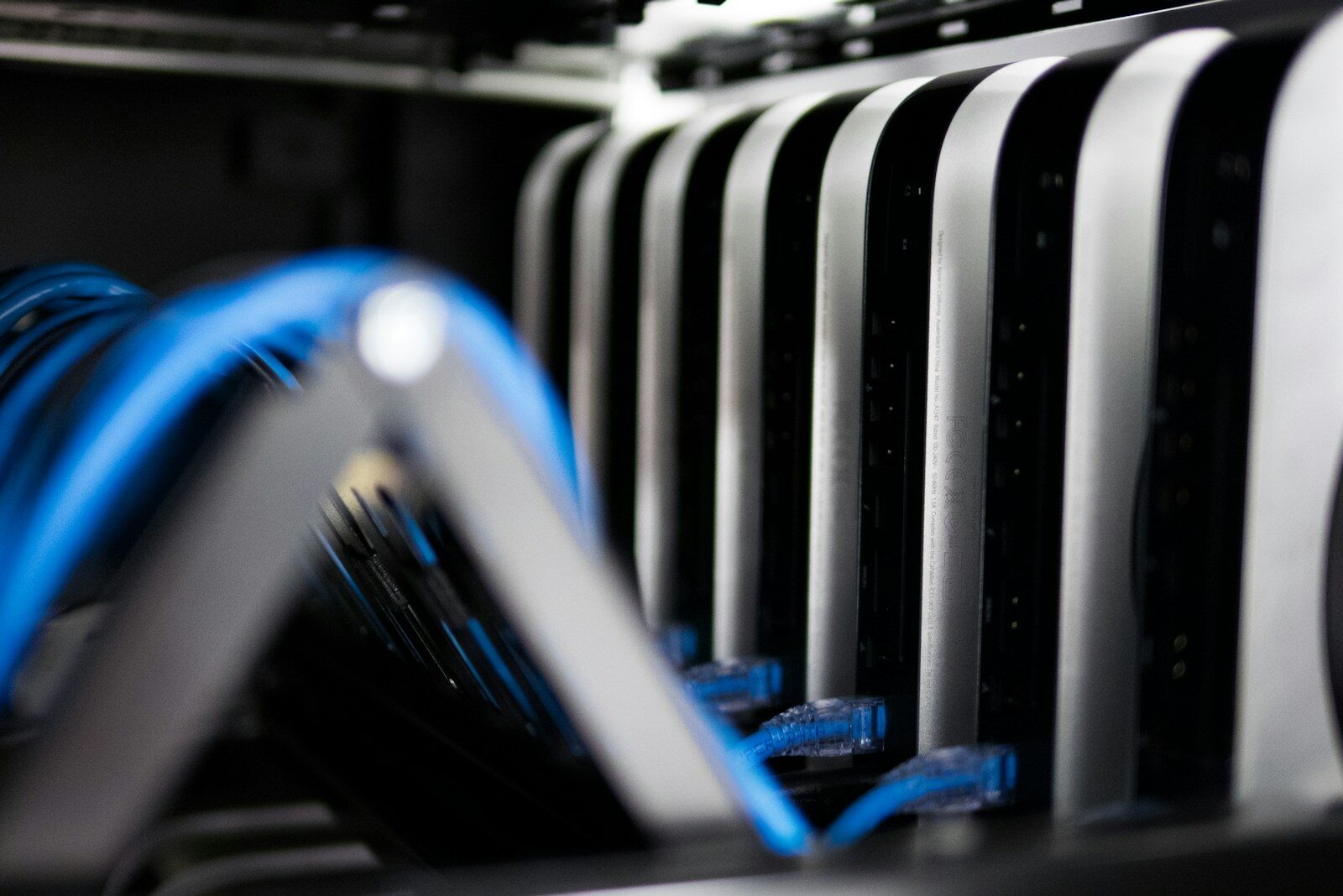
Artificial intelligence is often presented as something invisible.
You type a prompt.
An AI responds.
Everything feels digital and weightless.
But behind every AI-generated answer lies a massive physical infrastructure system:
- Gigantic datacenters
- Power-hungry servers
- Water-intensive cooling systems
- Vast land development projects
And around the world, communities are beginning to push back.
The growing resistance to AI datacenters is not just about technology—it’s about power, resources, democracy, and who gets to shape the future.

The AI Boom Has a Physical Footprint
AI may seem virtual, but it depends on enormous real-world infrastructure.
Modern AI systems require:
- Thousands of advanced chips
- Continuous electricity supply
- Massive cooling systems
- Expansive industrial facilities
As AI demand explodes, companies are rapidly building new datacenters across:
- Rural areas
- Suburban communities
- Industrial zones
Why AI Datacenters Are Growing So Quickly
AI models require far more computing power than traditional internet services.
Every AI interaction consumes:
- Processing power
- Storage capacity
- Energy resources
Training large AI systems can require:
Millions of computing hours
This has triggered:
- A global construction boom in datacenter infrastructure
Why Communities Are Pushing Back
Resistance to AI datacenters is growing for several reasons.
1. Massive Energy Consumption
AI datacenters consume extraordinary amounts of electricity.
Some facilities use as much power as:
- Small cities
- Large industrial complexes
Communities worry about:
- Higher energy costs
- Strain on power grids
- Increased fossil fuel usage
2. Water Usage Concerns
Cooling AI servers requires huge quantities of water.
In drought-prone or water-stressed regions, residents fear:
- Resource depletion
- Environmental damage
- Competition over water access
3. Land and Environmental Impact
Datacenters require:
- Large land areas
- New transmission infrastructure
- Industrial construction
This can affect:
- Local ecosystems
- Property values
- Community landscapes
4. Limited Local Benefits
Many residents argue datacenters:
- Use local resources
- Provide relatively few long-term jobs
Compared to:
- Their environmental footprint
- Infrastructure demands
Why This Debate Is About Democracy
The controversy extends beyond environmental issues.
At its core, many communities are asking:
Who gets to decide how local resources are used?
Residents often feel:
- Decisions are made by corporations and governments
- Communities have limited input
- Economic interests outweigh public concerns
This transforms infrastructure debates into:
Questions about democratic participation and local control
The Power Imbalance
Major tech companies possess:
- Vast financial resources
- Political influence
- Lobbying power
Local communities may struggle to:
- Access information
- Influence decisions
- Challenge large-scale projects
This creates tension between:
- Corporate expansion
- Public accountability
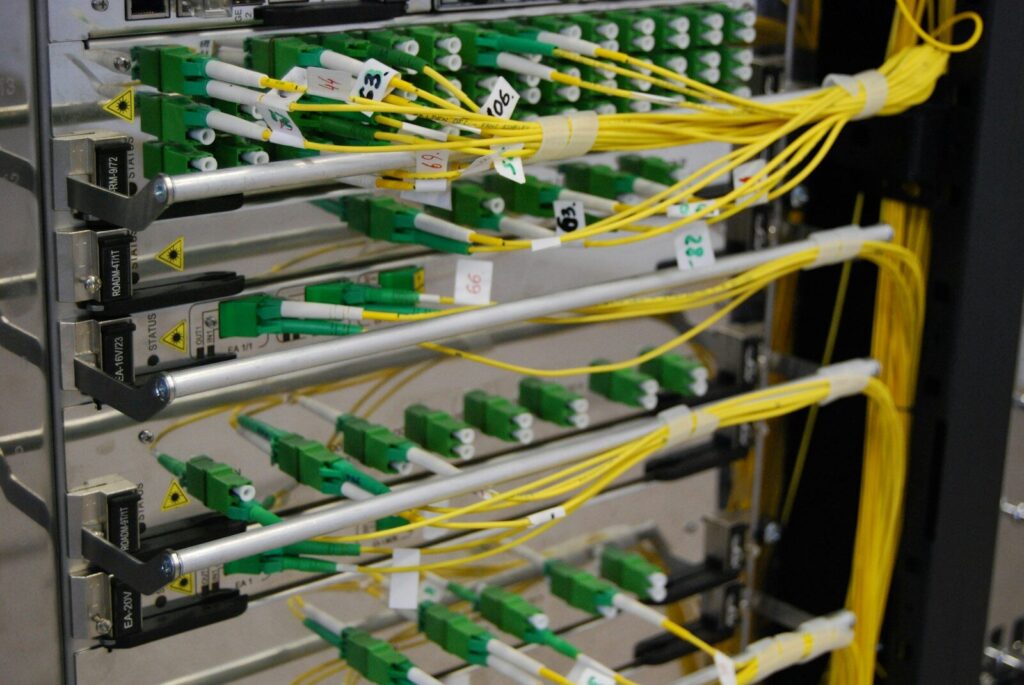
The AI Economy Depends on Hidden Infrastructure
Most consumers rarely think about:
- Server farms
- Electrical grids
- Water systems
But AI’s future depends heavily on these systems.
The more advanced AI becomes:
- The greater the infrastructure demands grow
The Environmental Cost of AI
AI development has a growing carbon footprint.
Datacenters contribute to:
- Energy consumption
- Emissions growth
- Resource extraction
Even when companies invest in renewable energy:
- Infrastructure construction still has environmental costs
The Global Competition Problem
Governments often support datacenter expansion because they see AI as:
- Economically strategic
- Geopolitically important
- Essential for future competitiveness
This creates pressure to:
Build quickly, even amid local opposition
Why Rural Areas Are Often Targeted
Many datacenters are built in:
- Rural regions
- Smaller towns
Because these areas may offer:
- Cheaper land
- Access to energy infrastructure
- Fewer zoning restrictions
But residents may feel:
- Their communities are being transformed without sufficient consultation
The Promise of Economic Growth
Supporters argue AI datacenters can bring:
- Investment
- Tax revenue
- Infrastructure improvements
- Technology development
Some regions actively compete to attract them.
The Critics’ Argument
Opponents question whether:
- Economic benefits justify environmental costs
- Local communities truly benefit long term
Critics also worry about:
- Corporate concentration of power
- Unsustainable energy demands
- Lack of transparency
The Bigger Shift: AI Is Reshaping Physical Geography
The AI revolution isn’t happening only online.
It’s reshaping:
- Energy systems
- Land use
- Industrial development
- Political debates
AI infrastructure is becoming:
A major force in urban planning and regional economics
Could AI Infrastructure Become a Political Flashpoint?
Very likely.
As AI grows, conflicts may intensify around:
- Energy allocation
- Water access
- Environmental regulation
- Corporate power
Future political debates may increasingly focus on:
Who bears the costs of AI expansion
The Need for Smarter Policy
Experts argue governments need:
- Clear environmental standards
- Transparent approval processes
- Community participation requirements
Without this:
- Public distrust may increase
- Infrastructure conflicts may worsen
The Search for Sustainable AI
Technology companies are now exploring:
- Energy-efficient AI systems
- Smaller models
- Greener datacenter designs
- Renewable-powered infrastructure
Because long-term AI growth may depend on:
Reducing environmental strain
The Core Question
At the center of the debate is a powerful question:
Who benefits from AI—and who pays the price for the infrastructure behind it?
Frequently Asked Questions (FAQ)
1. Why do AI systems need datacenters?
Because AI models require massive computing power, storage, and processing infrastructure.
2. Why are communities opposing AI datacenters?
Due to concerns about energy use, water consumption, environmental impact, and local control.
3. Do AI datacenters use a lot of electricity?
Yes. Advanced AI systems can consume enormous amounts of power.
4. Why is water usage an issue?
Datacenters often need large cooling systems that consume significant water resources.
5. Are AI datacenters good for local economies?
They can provide investment and tax revenue, but critics say benefits are sometimes overstated.
6. Is this debate only about the environment?
No. It also involves democracy, corporate power, and community decision-making.
7. What’s the biggest takeaway?
The AI revolution is not just digital—
It depends on massive physical infrastructure with real-world social and environmental consequences.
Final Thoughts
Artificial intelligence may feel abstract.
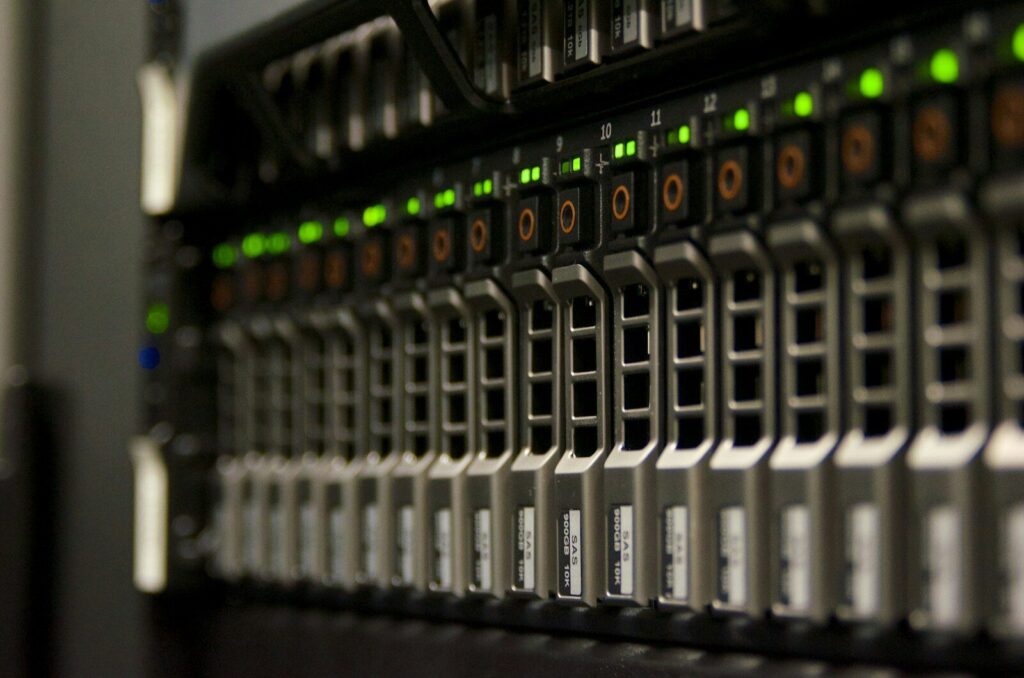
But the systems powering it are deeply physical:
- Buildings
- Electricity
- Water
- Land
- Political decisions
And as AI infrastructure expands, communities are beginning to ask difficult but necessary questions about:
- Sustainability
- Fairness
- Accountability
- Democratic control
Because the future of AI won’t only be decided by algorithms.
It will also be decided by the people living next to the datacenters that make AI possible.
Sources The Guardian

