

Meta is betting its future on artificial intelligence.
From AI assistants and recommendation engines to generative tools and massive infrastructure investments, the company has made one thing clear:
AI is now the center of Meta’s strategy.
But inside the company, a very different story is reportedly unfolding.
Employees are increasingly describing:
- Exhaustion
- Confusion
- Pressure
- Constant restructuring
As Meta races to compete in the global AI arms race.
And for many workers, the company’s aggressive AI push is not creating excitement—
It’s creating burnout.
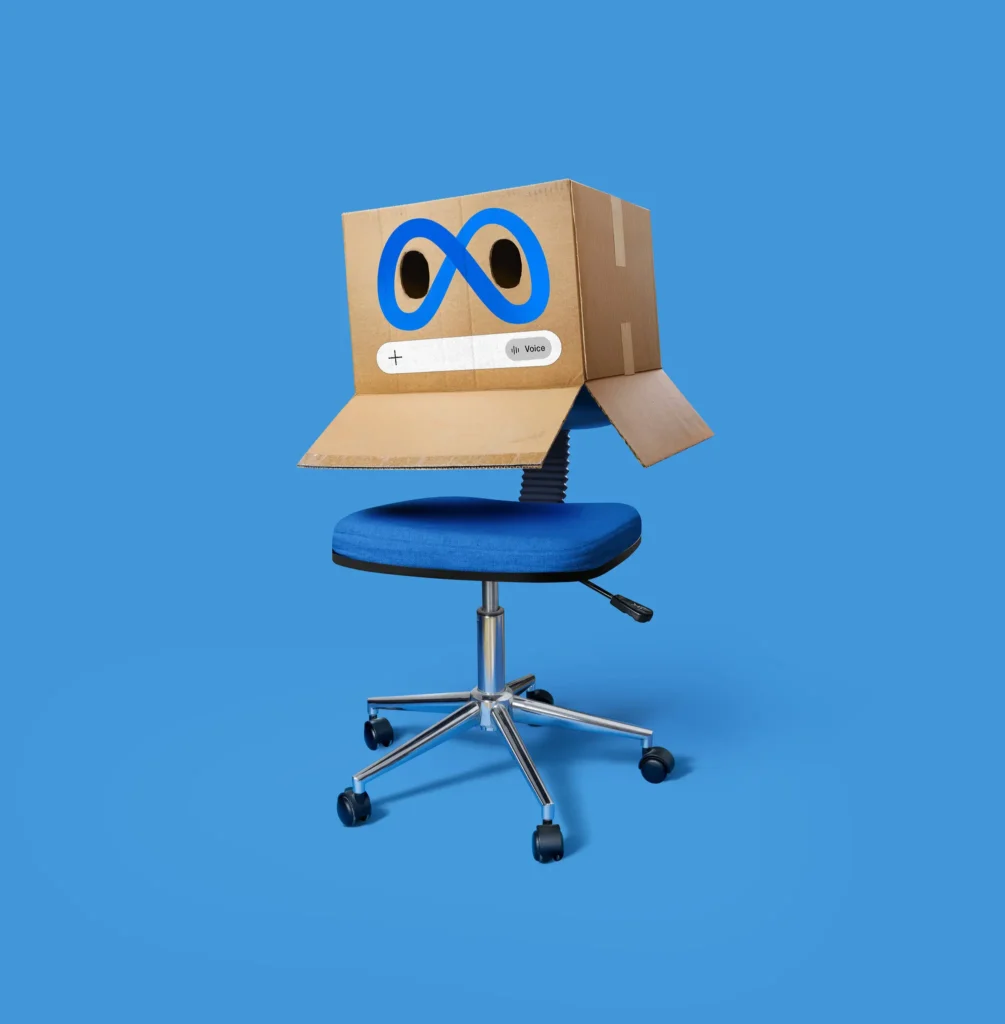
Meta’s Massive AI Pivot
Meta was once heavily focused on:
- Social media
- Advertising
- The metaverse
Now, AI dominates nearly every part of the company’s direction.
Meta is investing heavily in:
- Large language models
- AI infrastructure
- AI assistants
- Recommendation systems
- AI-powered advertising
This shift is driven by growing competition from:
- OpenAI
- Microsoft
- Anthropic
- xAI
Why Meta Is Moving So Aggressively
The company sees AI as:
- A growth engine
- A competitive necessity
- The future of digital platforms
AI has the potential to improve:
- Advertising performance
- User engagement
- Content recommendations
- Automation
For Meta, AI is not optional anymore.
It’s existential.
The Human Cost Inside the Company
While investors may celebrate AI progress, employees reportedly face a much harsher reality.
1. Constant Organizational Changes
AI priorities evolve rapidly.
Teams are frequently:
- Reorganized
- Redirected
- Reassigned
Employees often struggle to keep up with:
Constantly changing expectations
2. Intense Performance Pressure
Workers face enormous pressure to:
- Deliver AI products quickly
- Compete with rival companies
- Meet aggressive internal goals
This creates:
- Long work hours
- Stress
- Fear of falling behind
3. Resource Competition
Inside Meta, AI has become the top priority.
This means:
- Teams compete for computing resources
- Projects outside AI may receive less support
- Internal tension increases
4. Fear of Irrelevance
As AI reshapes workflows, employees worry about:
- Job security
- Role redundancy
- Changing skill requirements
Ironically:
AI itself is becoming a source of anxiety within AI companies
The Psychological Toll of the AI Race
The modern AI industry moves at extraordinary speed.
Employees often feel:
- They must constantly adapt
- They can never slow down
- Every delay risks losing market position
This creates a workplace culture driven by:
Urgency and relentless competition
Why AI Work Is Especially Demanding
Building advanced AI systems requires:
- Massive coordination
- Complex infrastructure
- Continuous iteration
- Intense experimentation
AI development also involves:
- Ethical concerns
- Public scrutiny
- Regulatory uncertainty
The stakes feel extremely high.
The “Move Fast” Culture Meets AI
Meta has long been known for a culture centered around:
Speed and aggressive execution
But AI development introduces:
- Greater risks
- Higher complexity
- More public attention
This creates tension between:
- Fast innovation
- Responsible development

Burnout in the Broader Tech Industry
Meta is not alone.
Across the tech sector, AI is accelerating:
- Workplace pressure
- Hiring competition
- Productivity expectations
Companies are demanding:
More output with fewer people
And AI tools often raise expectations further.
The Productivity Paradox
AI is supposed to:
- Increase efficiency
- Reduce repetitive work
- Save time
Yet many employees report:
- Working harder than ever
Why?
Because:
- Expectations rise with productivity tools
- Companies accelerate timelines
- Competition intensifies
The Fear of Falling Behind
One major driver of pressure is:
Fear.
Tech companies fear:
- Losing market leadership
- Missing the next technological wave
Employees feel that fear too.
This creates a workplace environment where:
- Everything feels urgent
- AI becomes the top priority above all else
The Infrastructure Burden
Meta’s AI ambitions require:
- Massive GPU clusters
- Huge data centers
- Expensive computing resources
Employees working on AI projects face:
- Resource bottlenecks
- Technical limitations
- Operational stress
Why AI Competition Is Different
Unlike previous tech trends, AI competition feels:
- Global
- Strategic
- Existential
Executives believe:
The winners of the AI race may dominate the next era of technology
That belief intensifies pressure internally.
The Cultural Shift at Meta
Employees who joined Meta for:
- Social platforms
- Community building
- Consumer products
Now find themselves working inside:
An AI-first organization
This shift changes:
- Priorities
- Workflows
- Company identity
The Risk of Losing Talent
Burnout creates serious risks for Meta:
1. Employee Turnover
Talented workers may leave.
2. Reduced Creativity
Exhausted employees innovate less effectively.
3. Lower Morale
Constant pressure weakens workplace culture.
4. Ethical Blind Spots
Overworked teams may overlook:
- Safety issues
- Bias concerns
- Long-term risks
The Bigger Story: AI Is Reshaping Work From the Inside
Meta’s situation reflects a larger transformation happening across the tech industry.
AI is changing:
- How companies operate
- What employees are expected to do
- How fast organizations move
And while AI promises efficiency externally—
Internally, it can create:
Intense human strain.
What Companies May Need to Rethink
As AI adoption accelerates, companies may need to focus more on:
1. Sustainable Work Culture
Balancing ambition with employee wellbeing.
2. Clear Communication
Reducing confusion around priorities.
3. Human-Centered AI Development
Recognizing that employees are not machines.
4. Long-Term Thinking
Avoiding burnout-driven innovation cycles.
Frequently Asked Questions (FAQ)
1. Why is Meta focusing so heavily on AI?
Because AI is seen as essential for future growth, competitiveness, and platform evolution.
2. Why are employees reportedly unhappy?
Due to intense pressure, rapid restructuring, burnout, and constantly shifting priorities.
3. Is this happening only at Meta?
No. Many tech companies face similar AI-driven workplace stress.
4. How does AI increase workplace pressure?
It accelerates expectations, competition, and productivity demands.
5. Could AI replace some Meta employees?
AI may automate some tasks, creating anxiety around job security.
6. What is the biggest challenge for AI companies?
Balancing innovation speed with sustainable workplace culture.
7. What’s the biggest takeaway?
The AI race isn’t only transforming products—
It’s transforming the people building them.

Final Thoughts
Meta’s AI push highlights a hidden side of the artificial intelligence revolution.
Behind every:
- AI model
- Product launch
- Infrastructure expansion
Are human workers dealing with:
- Pressure
- Uncertainty
- Burnout
The irony is striking:
The technology designed to increase efficiency may also be intensifying the demands placed on the people creating it.
And as the AI race accelerates, one critical question remains:
Can companies build the future of AI without exhausting the humans behind it?
Sources The New York Times

