
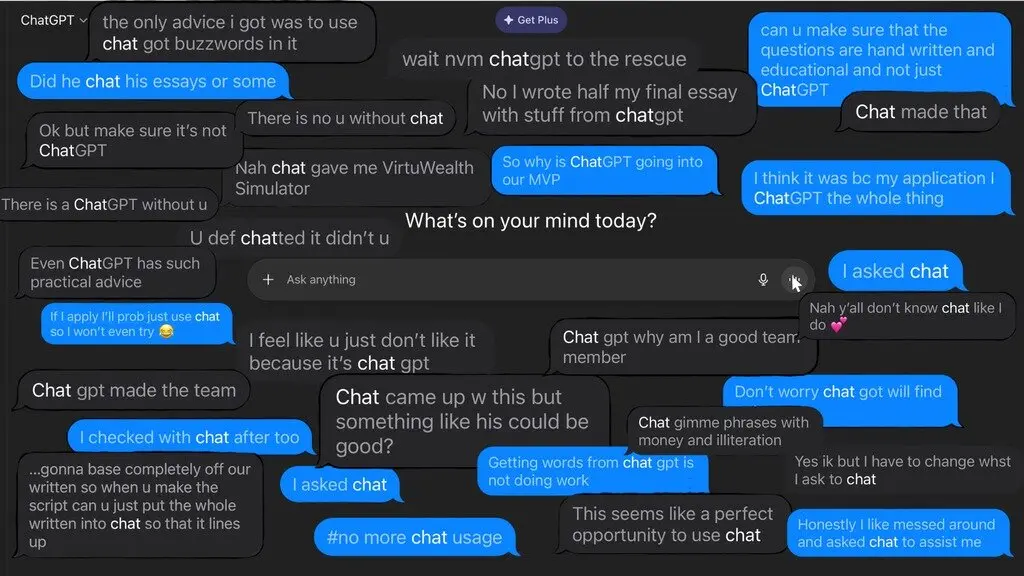
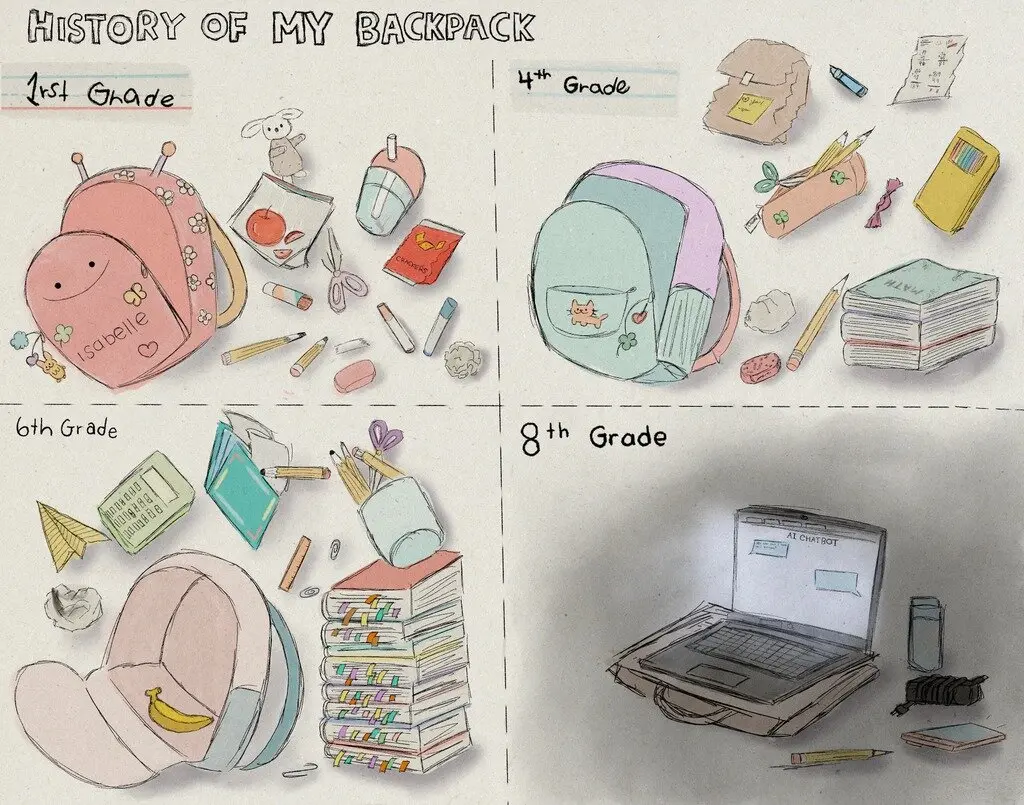
For today’s teenagers, artificial intelligence is not a breakthrough — it’s background noise.
They do not remember a world before recommendation engines shaped their music playlists, before face filters refined their selfies, before homework help came from a chatbot instead of a textbook. AI is not an innovation to them. It is infrastructure.
As adults debate regulation, job disruption and existential risk, teens are navigating something more personal: What does it mean to grow up alongside machines that can think, write, draw and respond like humans?
The answer is complex, layered with excitement, anxiety, empowerment and uncertainty.
AI as a Daily Companion
Teenagers encounter AI constantly:
- Chatbots for homework support
- Auto-generated captions and translations
- Algorithm-curated social media feeds
- Personalized video recommendations
- AI-enhanced photo editing tools
- Writing assistants embedded in school software
For many students, AI tools feel like academic accelerators. They can summarize dense readings, explain math concepts step by step and help brainstorm essay ideas.
But the convenience raises a quiet tension: Where does learning end and outsourcing begin?
Academic Shortcuts or Study Tools?
Students describe mixed experiences.
Some use AI responsibly — as a tutor to clarify confusing material or as a drafting partner for ideas. Others admit temptation to rely too heavily on it for assignments.
Educators worry that overreliance could:
- Weaken critical thinking
- Reduce writing fluency
- Undermine problem-solving skills
At the same time, banning AI entirely feels unrealistic. Many schools are shifting from prohibition to structured integration, teaching students how to use AI ethically and transparently.
The classroom is becoming a testing ground for digital literacy.
Identity and Social Life in the Age of AI
Beyond academics, AI shapes teenage identity formation.
Algorithmic Influence
Recommendation systems influence:
- Fashion trends
- Political exposure
- Cultural tastes
- Body image standards
Teens may not realize how curated their digital environments are. AI systems amplify certain voices and suppress others, shaping worldview and self-perception.
AI Companionship
Some teens experiment with AI chatbots as emotional outlets — venting frustrations, practicing conversations or exploring sensitive topics.
While this can feel supportive, psychologists caution that reliance on AI for emotional validation may complicate social development.
Creativity in an AI World
Teens are also using AI to expand creative expression:
- Generating art concepts
- Writing song lyrics
- Editing videos
- Designing digital characters
AI can lower creative barriers, enabling experimentation without formal training.
Yet some young artists feel conflicted. If a machine can generate impressive artwork in seconds, what does originality mean?
The question of authorship looms large.
Privacy and Digital Footprints
Growing up with AI means generating enormous amounts of data from a young age.
Teenagers’ digital trails include:
- Social media posts
- School platform interactions
- Biometric data from facial filters
- Voice recordings
- Location history
AI systems analyze these patterns to personalize experiences — but also to build long-term profiles.
Teens often lack full awareness of how their data may be stored, monetized or reused.
Mental Health and AI
AI-driven platforms influence mental health in subtle ways.
Positive Effects:
- Access to mental health resources
- Anonymous chat-based support
- AI mood tracking apps
Negative Effects:
- Social comparison amplified by algorithmic feeds
- Exposure to unrealistic beauty standards
- Echo chambers reinforcing harmful content
The impact varies widely depending on usage patterns and platform design.
Economic Awareness
Unlike previous generations, today’s teens are acutely aware that AI may shape their future careers.
Many are:
- Learning coding and machine learning basics
- Exploring AI-related college programs
- Considering automation risk in career choices
At the same time, uncertainty about job markets creates anxiety.
They are preparing for roles that may not yet exist.
Generational Divide
Adults often frame AI as either a miracle tool or an existential threat.
Teens tend to see it more pragmatically:
- It’s helpful.
- It’s flawed.
- It’s unavoidable.
They are less focused on abstract debates and more on daily integration.
For them, AI is not about distant futures — it is about tonight’s homework, tomorrow’s college essay and next week’s social post.
Ethical Awareness
Many teens demonstrate nuanced awareness of AI’s ethical issues:
- Bias in algorithms
- Misinformation risks
- Deepfake dangers
- Data privacy concerns
Schools that incorporate AI literacy programs find students eager to engage in discussions about fairness and transparency.
This generation may become the most AI-literate cohort yet.
Frequently Asked Questions (FAQ)
Q: Are teens relying too heavily on AI for schoolwork?
Some do, but many use it as a supplemental tool rather than a replacement. Schools increasingly emphasize responsible use.
Q: Is AI harming teenage creativity?
It can both enhance and challenge creativity. AI lowers technical barriers but raises questions about originality.
Q: Do teens trust AI?
Generally, they view it as useful but imperfect. Trust varies depending on the context.
Q: How does AI affect teen mental health?
Impacts are mixed. AI can provide support resources but also amplify social comparison and exposure to harmful content.
Q: Are teens aware of privacy risks?
Awareness is growing, though understanding of long-term data implications is still limited.
Q: Will AI shape their future careers?
Almost certainly. Many teens are preparing for AI-integrated workplaces.
Q: Should schools ban AI tools?
Most experts argue for guided integration rather than outright bans.
Conclusion
Growing up with AI is not a dystopian sci-fi scenario for today’s teens — it is an ordinary part of life.
They are learning, creating, socializing and planning futures in partnership with algorithms. Their challenge is not whether to engage with AI, but how to do so thoughtfully.
Generation A.I. is not waiting for the future. They are already living in it.
Sources The New York Times