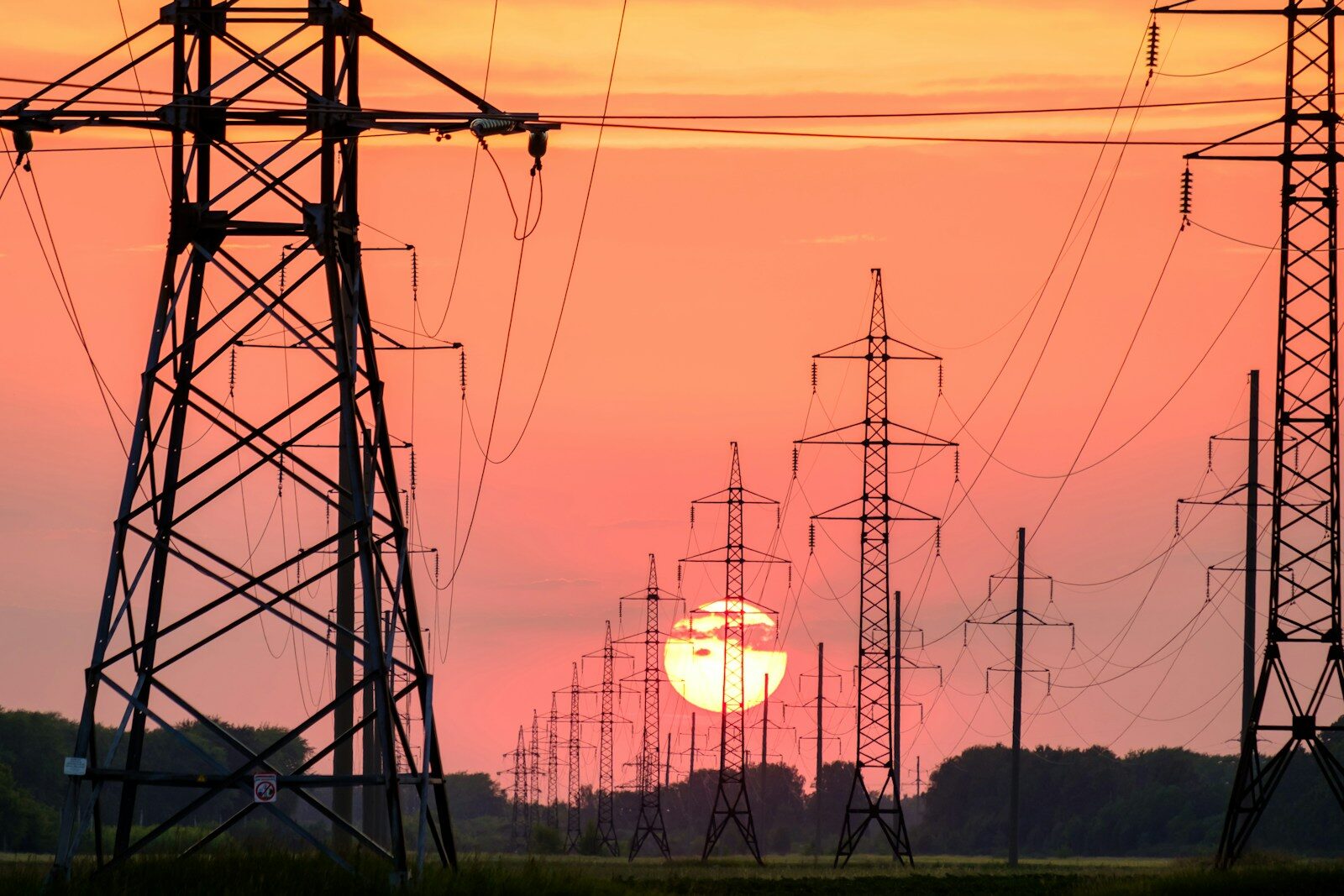
The artificial intelligence boom is colliding with something Silicon Valley cannot simply code its way around:
Electricity.
For years, the biggest bottleneck in technology was computing power. Today, the new bottleneck is actual electrical power—the energy required to run massive AI data centers that consume electricity on a scale once associated with entire cities.
Tech giants including Microsoft, Google, Amazon, Meta, OpenAI, and Anthropic are racing to build larger and more powerful AI systems. Every new model requires more computing infrastructure. Every new data center demands more electricity. And every additional gigawatt of demand places greater pressure on an electric grid that was never designed for the AI era.
Now a regulatory showdown is emerging between Big Tech and the agencies responsible for keeping America’s power system stable.
At the center of the debate is the Federal Energy Regulatory Commission (FERC), the powerful but often overlooked agency that oversees much of the nation’s electricity transmission system. As AI companies push for faster access to power, FERC is delivering a clear message:
Learn the rules of the grid before asking for special treatment.
The AI Industry Has Entered Its Infrastructure Era
For much of the last decade, AI companies focused primarily on software, algorithms, and cloud computing.
That era is ending.
The modern AI race increasingly resembles a massive industrial expansion project.
Success now depends on securing:
- Semiconductor manufacturing
- Data center construction
- Advanced cooling systems
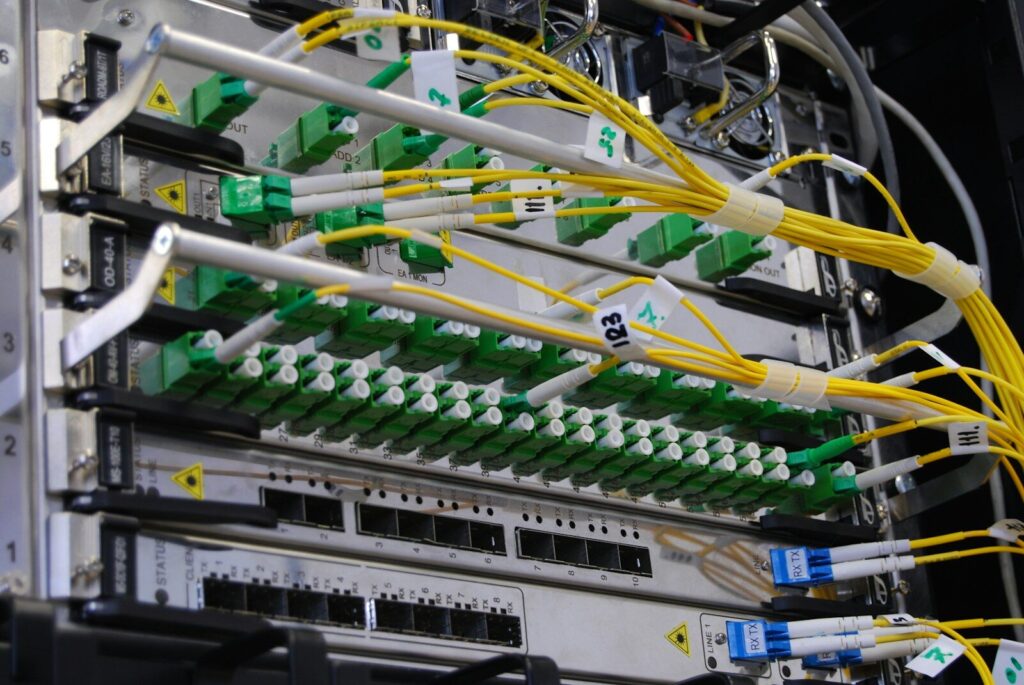
- Fiber-optic networks
- Water infrastructure
- Electricity generation
- Transmission capacity
In many cases, obtaining reliable power has become more difficult than obtaining computer chips.
Some planned AI facilities require hundreds of megawatts of electricity. The largest projects could eventually consume gigawatts of power, rivaling the energy needs of major metropolitan areas.
The reality is simple:
Without electricity, there is no AI.
Why Data Centers Have Become a National Concern
Traditional data centers already consumed significant amounts of electricity.
AI data centers operate on an entirely different scale.
Training advanced AI models requires thousands—or even hundreds of thousands—of specialized processors running simultaneously. The resulting energy demand can be enormous.
Unlike many industrial facilities, AI workloads can also create sudden changes in power consumption. These fluctuations present new challenges for grid operators responsible for maintaining reliability and preventing outages.
Energy experts increasingly view AI infrastructure not merely as a technology issue but as a critical grid-management challenge.
What Exactly Is FERC?
Most Americans have never heard of FERC.
Yet the agency plays a vital role in managing interstate electricity transmission and wholesale power markets.
FERC does not operate power plants.
It does not generate electricity.
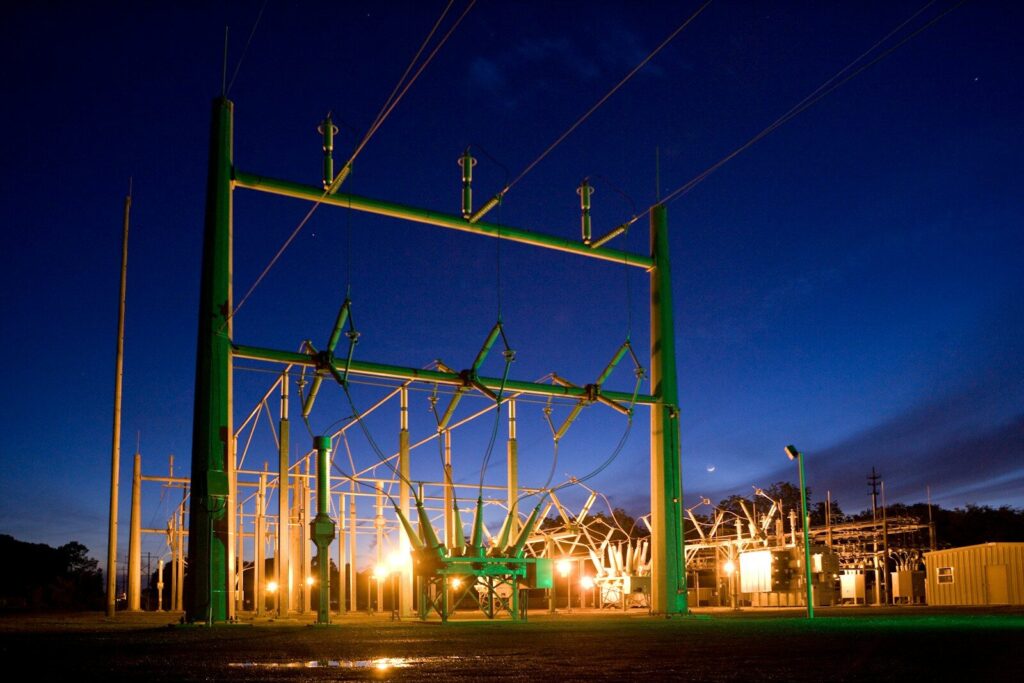
Instead, it establishes and enforces the rules governing how electricity moves across transmission networks and how major customers connect to those systems.
Historically, FERC primarily worked with:
- Utilities
- Grid operators
- Power producers
- Energy traders
Today, it is increasingly dealing with some of the world’s largest technology companies.
According to regulators, many tech firms initially entered the process without fully understanding how utility systems and grid planning actually work.
Why Tech Companies Are Growing Frustrated
From Silicon Valley’s perspective, the electric grid moves at a painfully slow pace.
Technology companies operate on aggressive timelines.
An AI company may want a new facility operational within two years.
Electric utility planning often unfolds over decades.
Transmission upgrades can take:
- Five years
- Ten years
- Sometimes even longer
This mismatch has become one of the biggest tensions in the AI economy.
AI executives argue that lengthy delays could:
- Slow American leadership in AI
- Reduce competitiveness against China
- Increase infrastructure costs
- Delay innovation
The tech industry’s position is straightforward:
“We need power immediately.”
The grid’s response is equally direct:
“That’s not how electricity infrastructure works.”
The Growing Interconnection Backlog
One of the biggest obstacles facing AI developers is the interconnection process.
Before a large customer can connect to the grid, extensive studies must determine:
- Whether sufficient power is available
- Whether transmission upgrades are necessary
- How reliability could be affected
- Who will pay for infrastructure improvements
The process is notoriously slow.
Across the United States, interconnection queues have expanded dramatically as renewable energy projects, battery storage systems, industrial facilities, and AI data centers all compete for limited grid capacity.
For AI companies investing billions of dollars in infrastructure, waiting years for approval is becoming increasingly difficult to accept.
The Billion-Dollar Question: Who Pays?
This is where the politics become especially contentious.
Building new infrastructure costs money.
A lot of money.
Key questions include:
- Should AI companies pay for transmission upgrades?
- Should utility customers share the costs?
- Should states contribute funding?
- Should federal regulators intervene?
Consumer advocates worry that ordinary households could end up subsidizing the AI boom through higher electricity bills.
Technology companies argue that grid expansion benefits the broader economy and should not be viewed solely as an AI-related expense.
The outcome could determine who pays for one of the largest infrastructure expansions in modern American history.
Concerns About Rising Electricity Bills
One of the most politically sensitive aspects of the AI boom involves residential energy costs.
Communities across the country are increasingly asking:
If AI companies require enormous amounts of electricity, who ultimately pays the bill?
Many policymakers and consumer groups worry that rapid infrastructure investment could eventually increase costs for households and small businesses.
Some regulators are already exploring special pricing structures designed to ensure that large data centers bear a greater share of the costs they create.
The debate is becoming particularly intense in regions experiencing rapid data-center growth.
Why Some AI Companies Want Their Own Power Plants
Faced with grid delays, some companies are exploring an alternative strategy:
Generate electricity directly next to the data center.
This approach, often called co-location, could allow facilities to begin operating before full integration with the broader grid.
Potential energy sources include:
- Natural gas
- Nuclear power
- Small modular reactors (SMRs)
- Battery storage systems
- Hybrid energy projects
Some industry analysts argue that hyperscale AI companies are gradually evolving into energy companies because securing electricity has become a strategic necessity.
The Nuclear Energy Revival
Few industries have renewed interest in nuclear power as dramatically as AI.
Data centers require:
- Reliable electricity
- Continuous operation
- High-capacity generation
Unlike solar and wind energy alone, nuclear facilities can provide stable power around the clock.
As AI electricity demand continues to rise, nuclear energy is increasingly viewed by policymakers and technology executives as a potential solution to future power shortages.
However, building new nuclear facilities remains expensive, heavily regulated, and time-consuming.
Grid Reliability Is Becoming a National Security Issue
This debate extends far beyond economics.
Grid reliability is increasingly being viewed as a national security concern.
Experts warn that poorly managed AI expansion could increase the risk of:
- Regional power shortages
- Grid instability
- Emergency load shedding
- Cascading outages
The North American Electric Reliability Corporation has identified AI-driven electricity demand as a potentially significant challenge requiring urgent planning and updated reliability standards.
In other words:
This is no longer just about powering AI chatbots.
It is about protecting critical national infrastructure.
Could FERC Gain More Authority?
One of the biggest unanswered questions involves federal oversight.
Some policymakers want FERC to play a larger role in determining how major data centers connect to the grid.
Such changes could shift authority away from state regulators and local utility commissions.
Supporters argue this could:
- Accelerate approvals
- Create consistent national standards
- Improve long-term planning
Critics worry it could:
- Reduce local oversight
- Expand federal control
- Shift costs unfairly
- Undermine state authority
The legal and political battle could reshape America’s energy governance for decades.
AI May Force a Complete Grid Transformation
One reality is becoming increasingly difficult to ignore:
America’s electric grid was not built for the AI age.
Much of the existing system was designed around predictable demand from homes, offices, and factories.
AI data centers introduce entirely new consumption patterns and infrastructure requirements.
Researchers are already exploring technologies that allow data centers to adjust workloads dynamically based on grid conditions, potentially transforming them from passive consumers into active participants in grid management.
Future solutions may include:
- Grid-interactive data centers
- Advanced battery storage
- Smart load balancing
- AI-powered energy optimization
- Distributed generation networks
Ironically, AI itself may help solve some of the energy challenges it creates.
The Bigger Picture: Electricity Is Becoming the New Strategic Resource
For decades, computing success depended largely on access to semiconductors.
Today, it increasingly depends on access to electricity.
This shift is influencing investment strategies, corporate partnerships, utility planning, and even geopolitical priorities.
The companies that secure reliable energy supplies may gain a significant advantage in the global AI race.
Those that cannot may find themselves constrained not by algorithms or chips, but by megawatts.
The AI revolution is no longer just a software story.
It has become an energy story.
And the next chapter may be written not in Silicon Valley, but in power plants, transmission corridors, regulatory hearings, and electric-grid control rooms across America.
Frequently Asked Questions (FAQ)
1. Why do AI data centers use so much electricity?
AI systems rely on massive clusters of specialized processors that operate continuously for training and running advanced models. Large AI facilities can consume as much electricity as small cities.
2. What is FERC and why is it involved?
FERC, the Federal Energy Regulatory Commission, oversees interstate electricity transmission and wholesale power markets. It is becoming increasingly involved because AI data centers are creating unprecedented demand for grid access and infrastructure upgrades.
3. Will AI increase household electricity bills?
Possibly. If infrastructure costs are spread across utility customers, residential electricity rates could rise. Regulators are actively exploring ways to ensure large AI operators pay a fair share of expansion costs.
4. Why can’t AI companies simply build their own power plants?
Some companies are pursuing that strategy. However, power generation projects face regulatory approvals, environmental reviews, fuel supply challenges, financing requirements, and lengthy construction timelines.
5. Can the current electric grid support unlimited AI growth?
No. The existing grid has physical and operational limits. Significant investments in power generation, transmission infrastructure, energy storage, and grid modernization will be necessary to support future AI expansion safely and reliably.
Sources The POLITICO