
Artificial intelligence is no longer just transforming business or consumer apps.
It’s now at the core of modern warfare and national defense.
Behind closed doors, the Pentagon is striking major deals with some of the world’s most powerful tech companies—Microsoft, Amazon, and Google—to bring advanced AI into classified military operations.
This isn’t just a tech partnership. It’s the foundation of the next generation of defense strategy.
The Big Shift: From Weapons to Intelligence
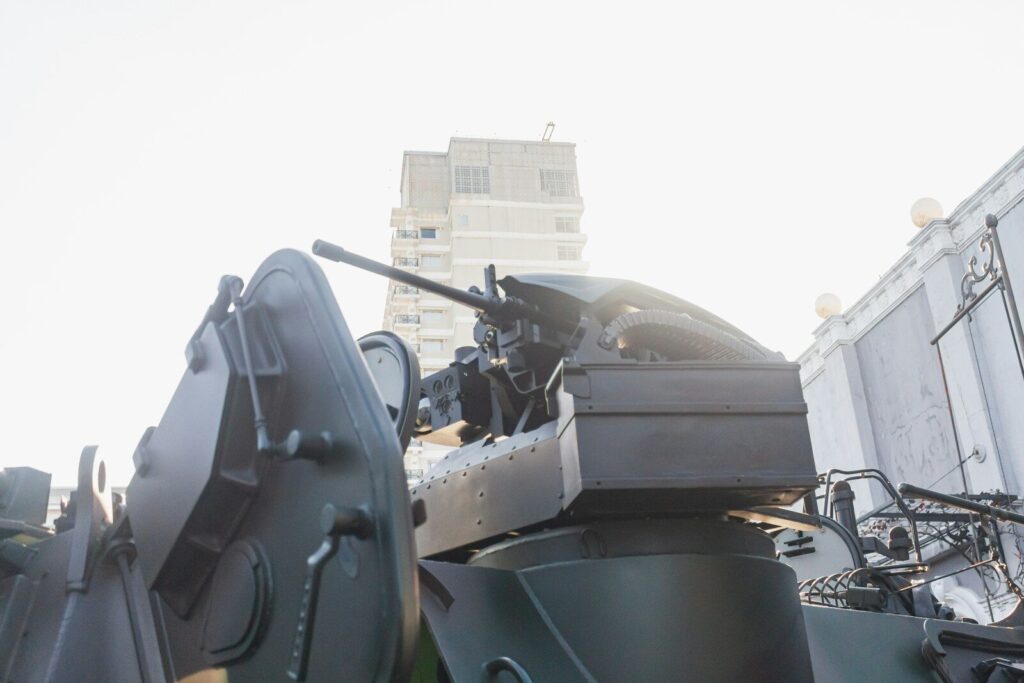
For decades, military strength was measured by:
- Weapons
- Troops
- Hardware
Now, a new factor is taking center stage:
Data and artificial intelligence
Modern defense increasingly depends on:
- Processing massive datasets
- Making faster decisions
- Anticipating threats in real time
What the Pentagon Is Actually Doing
The U.S. Department of Defense is partnering with major tech firms to:
- Build secure cloud infrastructure
- Deploy AI tools in classified environments
- Analyze intelligence data at scale
- Improve battlefield awareness
These systems are designed to:
Turn information into actionable insight—instantly
Why Big Tech Is Involved
Companies like Microsoft, Amazon, and Google have something the military needs:
1. Massive Computing Power
Cloud platforms can:
- Store vast amounts of data
- Process information quickly
- Scale globally
2. Advanced AI Capabilities
These companies lead in:
- Machine learning
- Data analytics
- Automation systems
3. Infrastructure Expertise
They already manage:
- Global networks
- Secure systems
- High-performance computing environments
What “Classified AI” Means
These aren’t public tools.
They operate in:
- Highly secure environments
- Restricted networks
- Classified data systems
This includes:
- Intelligence analysis
- Threat detection
- Strategic planning
Key Use Cases for Military AI
1. Intelligence Analysis
AI can:
- Scan satellite imagery
- Identify patterns
- Detect anomalies
2. Cybersecurity
AI helps:
- Detect cyber threats
- Respond to attacks in real time
- Protect sensitive systems
3. Logistics and Operations
AI optimizes:
- Supply chains
- Resource allocation
- Mission planning
4. Decision Support
AI assists commanders by:
- Providing recommendations
- Analyzing scenarios
- Predicting outcomes
The Strategic Advantage
In modern warfare:
Speed of decision-making can determine outcomes
AI enables:
- Faster analysis
- Real-time insights
- Reduced human error
This creates a major advantage.
The Competition: A Global AI Arms Race
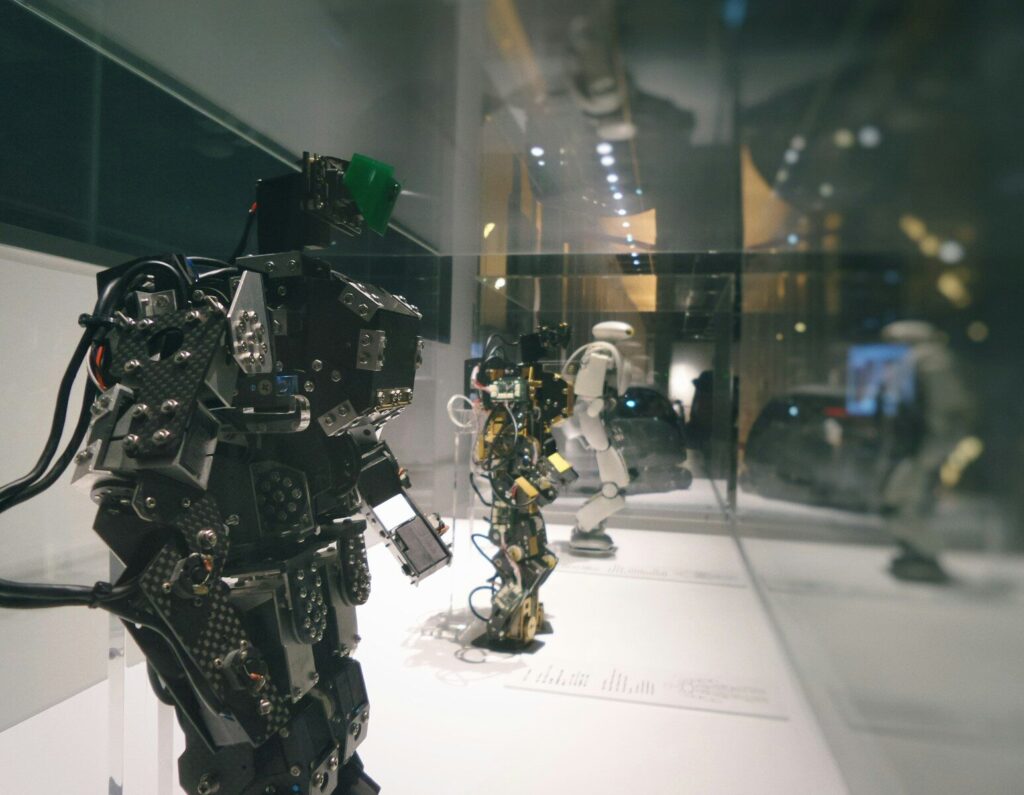
The U.S. isn’t alone.
Other nations are also investing heavily in AI for defense, including:
- China
- Russia
This creates a new kind of competition:
Not just military power—but technological superiority
The Ethical Debate
These partnerships raise serious questions.
1. Should Tech Companies Build Military AI?
Some argue:
- It’s necessary for national security
Others worry:
- It could enable more advanced warfare
2. Autonomous Weapons
AI could potentially be used in:
- Drones
- Targeting systems
This raises concerns about:
- Human control
- Accountability
3. Transparency
Because these systems are classified:
- Public oversight is limited
- Details are often unknown
The Role of Employees and Public Pressure
Tech workers have previously:
- Protested military contracts
- Raised ethical concerns
Companies must balance:
- Business opportunities
- Employee values
- Public perception
The Economic Impact
These deals are:
- Worth billions of dollars
- Long-term contracts
- Highly competitive
They strengthen:
- Big Tech’s position
- Government reliance on private companies
The Risk of Dependence
As governments rely more on tech companies:
Questions arise:
- Who controls critical systems?
- What happens if relationships change?
- Is too much power concentrated?
What This Means for the Future of Warfare
We are moving toward:
1. Data-Driven Defense
Information becomes the key asset.
2. AI-Augmented Military
Humans supported by intelligent systems.
3. Faster Conflict Cycles
Decisions and actions happen more quickly.
What This Means for Society
Even outside the military, these developments affect:
- Technology innovation
- Government policy
- Global stability
Because advances in military AI often:
Influence civilian technologies later
Frequently Asked Questions (FAQ)
1. Why is the Pentagon working with Big Tech?
Because tech companies have advanced AI capabilities and infrastructure the military needs.
2. What are these AI systems used for?
Primarily for intelligence analysis, cybersecurity, logistics, and decision support.
3. Are these systems used in combat?
Some may support combat operations, but details are often classified.
4. Is this an AI arms race?
Yes. Many countries are investing heavily in AI for defense.
5. Are there ethical concerns?
Yes—especially around autonomy, accountability, and military use of AI.
6. Can civilians be affected?
Indirectly, yes—through technology development and global security dynamics.
7. What’s the biggest takeaway?
AI is becoming a central part of national defense—
And the companies building it are now key players in global security.
Final Thoughts
The Pentagon’s AI deals with Big Tech mark a turning point.
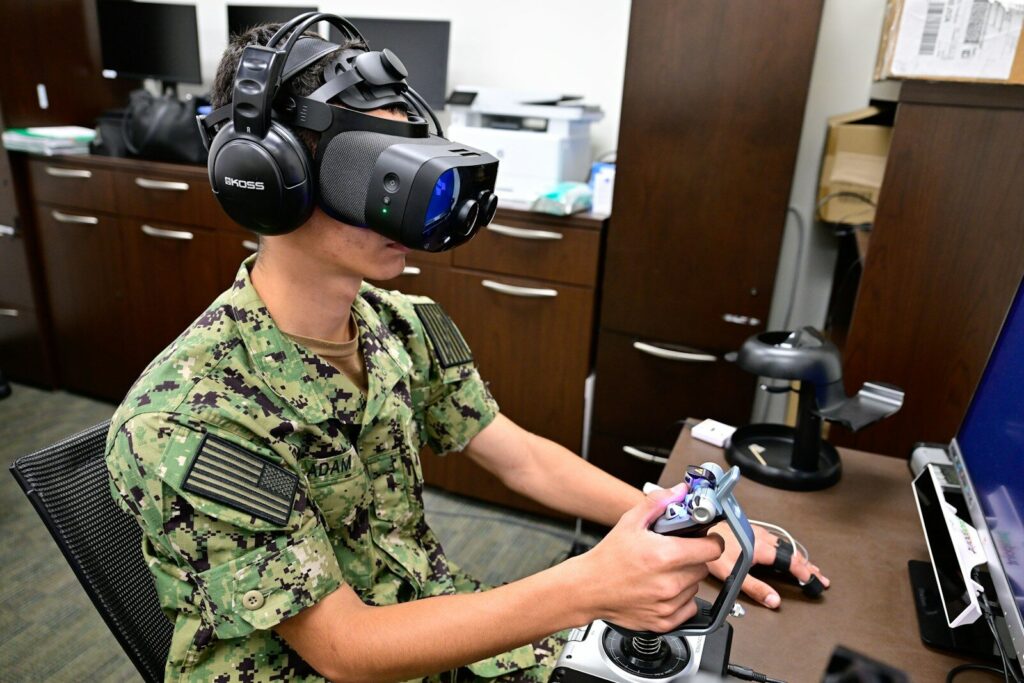
War is no longer just fought with weapons.
It’s fought with:
- Data
- Algorithms
- Intelligence systems
And as these partnerships deepen, one thing becomes clear:
The future of defense won’t just depend on military strength—
It will depend on who builds the smartest machines.
Sources The Washington Post