Inside the headquarters of the world’s most powerful AI companies, the atmosphere often feels almost messianic.
Executives speak about:
- Transforming civilization
- Solving humanity’s biggest problems
- Creating superintelligence
- Redefining work
- Extending human capability
- Accelerating scientific discovery
Artificial intelligence is treated not merely as software…
…but as destiny.
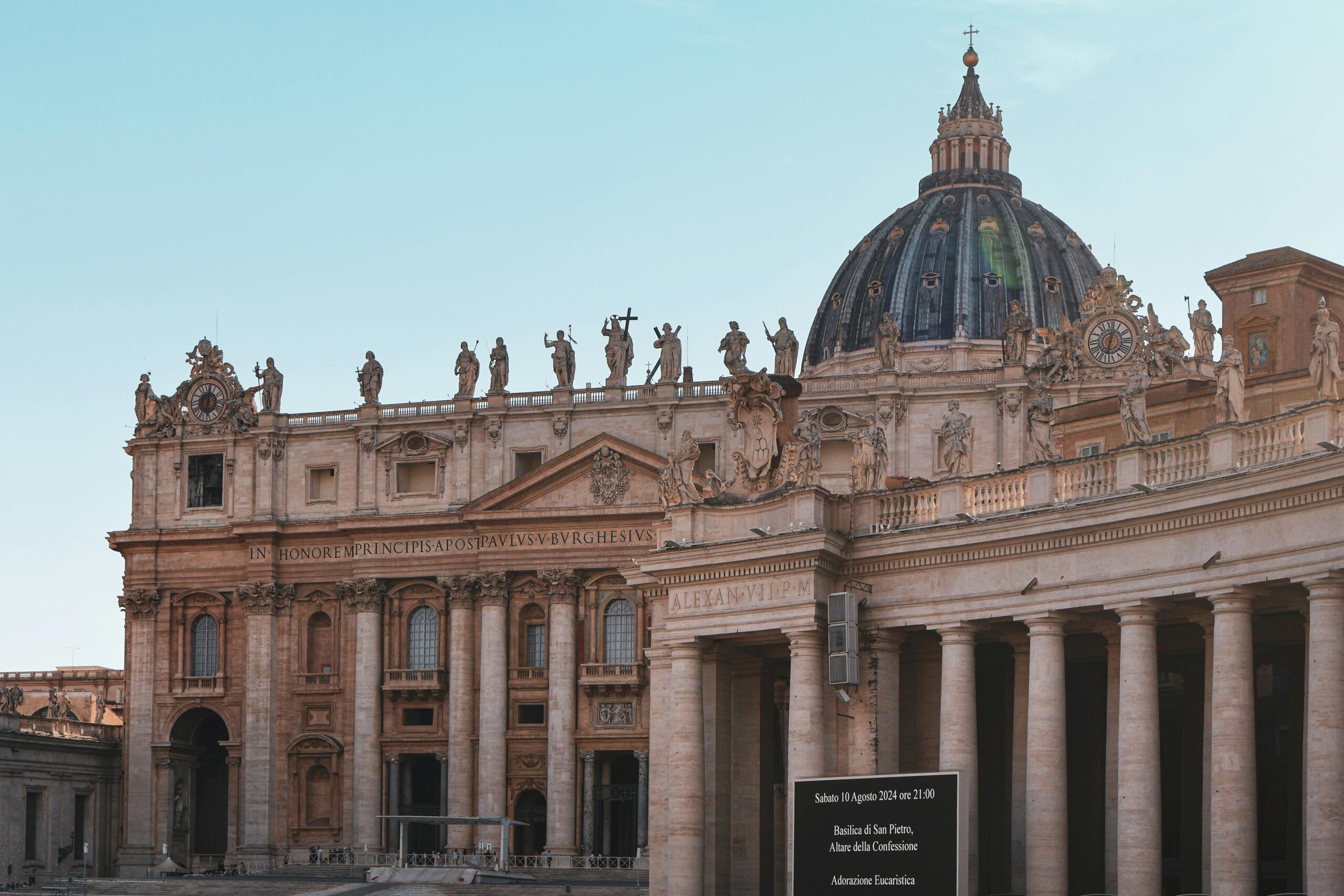
Meanwhile, thousands of miles away, Pope Leo XIV has reportedly issued increasingly direct warnings about the moral, social, and spiritual consequences of the AI revolution.
And in many corners of Silicon Valley?
Those warnings are being politely ignored.
Or quietly dismissed as outdated anxiety from institutions that “do not understand technology.”
But the deeper story unfolding here is not simply:
Religion versus innovation.
It is something far more important:
A collision between two radically different visions of what humanity’s future should become.
And that debate may define the AI century.
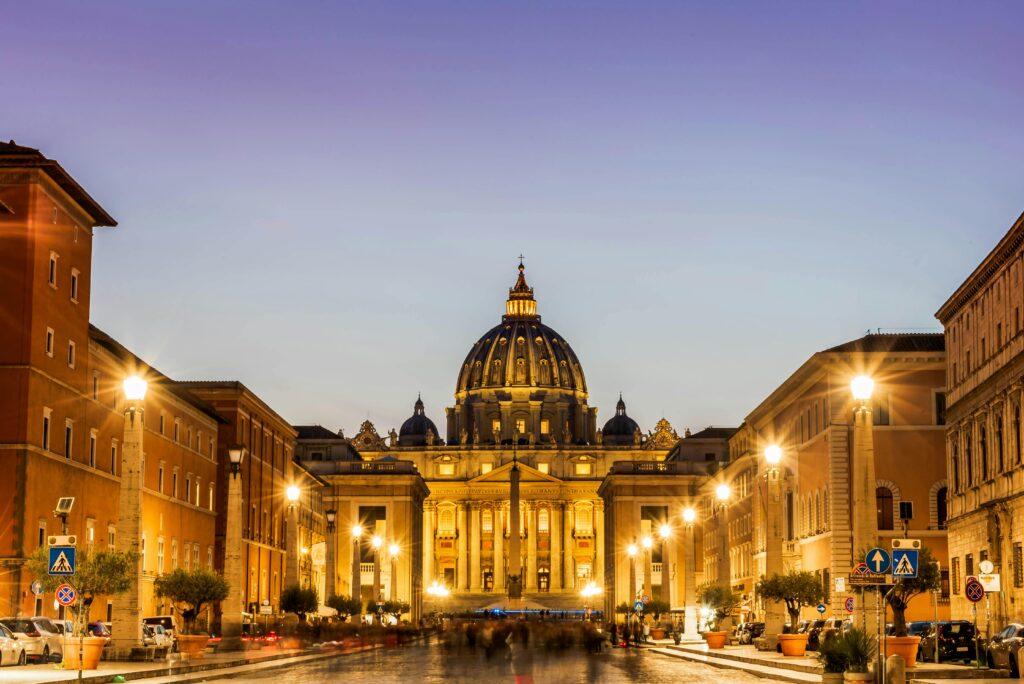
Why the Vatican Is Speaking So Forcefully About AI
The Catholic Church does not usually intervene aggressively in technology discussions unless the implications appear civilization-scale.
Artificial intelligence now clearly qualifies.
The Vatican’s concerns reportedly involve:
- Human dignity
- Labor displacement
- Deepfake misinformation
- Concentration of technological power
- Surveillance systems
- Social isolation
- Truth manipulation
- Ethical accountability
- Human identity itself
These are not small concerns.
AI increasingly affects:
- Education
- Healthcare
- Media
- Employment
- Politics
- Communication
- Creativity
- National security
The Vatican recognizes something many people still underestimate:
AI is not merely another consumer technology wave.
It is infrastructure capable of reshaping society at foundational levels.
Silicon Valley Often Treats AI Progress as Morally Neutral
One major source of tension lies in how technology culture often frames innovation.
In many tech circles, the dominant assumption is:
“Technological progress is inherently good.”
The mindset usually prioritizes:
- Speed
- Optimization
- Efficiency
- Scalability
- Disruption
- Market dominance
Moral reflection often comes later.
Sometimes much later.
Religious institutions traditionally approach change differently.
They ask:
- What happens to communities?
- What happens to meaning?
- What happens to human dignity?
- What happens to truth?
- What happens to moral responsibility?
Those questions do not fit neatly into startup culture or venture capital timelines.
But they matter enormously.
AI Is Quietly Becoming a New Belief System
One reason Vatican concerns resonate beyond religion:
Parts of the AI industry increasingly sound ideological.
Some AI advocates speak about:
- Digital immortality
- Machine superintelligence
- Post-human evolution
- Technological transcendence
- Replacing biological limitations
To critics, this resembles a kind of secular techno-religion.
The language surrounding AI increasingly includes:
- Salvation narratives
- Apocalyptic fears
- Utopian promises
- Faith in technological inevitability
That is remarkable because Silicon Valley historically positioned itself as rational and secular.
Yet AI discussions increasingly drift into philosophical territory traditionally occupied by religion.
Pope Leo’s Warnings Focus on Human Worth
At the core of many Vatican concerns sits a simple but profound fear:
What happens if society begins valuing efficiency more than humanity?
AI systems increasingly optimize:
- Productivity
- Automation
- Speed
- Data analysis
- Decision-making
But human life is messy, emotional, imperfect, relational, and moral.
Religious traditions often argue human value cannot be reduced to:
- Economic output
- Efficiency metrics
- Algorithmic optimization
The fear is not merely that AI becomes powerful.
The fear is that society begins reshaping itself around machine logic.
And once that happens, human priorities themselves may shift.
The AI Economy Could Deepen Loneliness and Isolation
Technology already transformed social life dramatically:
- Social media altered communication
- Smartphones changed attention spans
- Algorithms shaped information exposure
AI may intensify these trends further.
Increasing automation could reduce:
- Human interaction
- Workplace relationships
- Social dependency
- Community engagement
AI companions, virtual assistants, synthetic personalities, and personalized algorithms may create increasingly individualized digital realities.
Critics worry this could deepen:
- Isolation
- Emotional dependency on machines
- Social fragmentation
- Psychological manipulation
Religious institutions often emphasize community and human connection.
That partly explains their growing discomfort with AI-driven societies.
Deepfakes and Synthetic Reality Terrify Institutions Built on Trust
Modern AI systems can now generate:
- Fake speeches
- Synthetic videos
- Voice clones
- Artificial personalities
- Convincing misinformation
This creates a profound crisis for institutions that depend on credibility and shared truth.
Not just:
- Governments
- Journalism
- Courts
But also:
- Religious organizations
- Educational institutions
- Scientific communities
If AI makes reality itself difficult to verify, society may enter what some experts call:
“Epistemic instability.”
In simple terms:
People stop trusting what they see and hear.
Civilizations do not function well under those conditions.
Silicon Valley’s Incentives Often Reward Speed Over Reflection
Even technologists who worry about AI risks face intense pressure.
The industry rewards:
- Rapid deployment
- Market capture
- Investor excitement
- Competitive dominance
Companies fear slowing down because rivals may accelerate faster.
That creates an arms-race dynamic.
Under those conditions, ethical caution can appear economically dangerous.
This partly explains why moral warnings from institutions like the Vatican often struggle to influence corporate behavior meaningfully.
The incentives point the opposite direction.
AI Is Forcing Humanity Into Philosophical Territory Again
For centuries, modern societies increasingly separated:
- Technology
from - Spirituality
- Ethics
- Metaphysics
AI is collapsing those boundaries again.
Because artificial intelligence raises ancient questions:
- What is consciousness?
- What makes humans unique?
- Can intelligence exist without morality?
- Should machines simulate relationships?
- What is creativity?
- What is truth?
Engineering alone cannot fully answer these questions.
That is why philosophers, ethicists, and religious thinkers are re-entering technological conversations more aggressively.
Many Young Technologists Quietly Share Some of These Fears
Publicly, Silicon Valley often projects confidence.
Privately, many workers inside AI companies express anxiety about:
- Runaway automation
- Social destabilization
- AI misinformation
- Surveillance
- Economic concentration
- Psychological manipulation
- Loss of human agency
Not every technologist dismisses moral concerns.
In fact, many engineers increasingly worry society is moving faster than its ethical systems can adapt.
The difference is that religious institutions frame these fears morally rather than technically.
The Debate Is Really About What Kind of Civilization Humans Want
At its core, the conflict is not:
“Should AI exist?”
AI is already here.
The real debate is:
“What values should shape AI-driven societies?”
Possible futures vary dramatically.
AI could help create:
- Medical breakthroughs
- Better education
- Scientific acceleration
- Productivity growth
- Expanded accessibility
But it could also intensify:
- Surveillance
- Economic inequality
- Disinformation
- Social atomization
- Human dependency on algorithms
Technology itself does not automatically decide outcomes.
Human priorities do.
Why the Vatican’s Voice Still Matters
Some technologists dismiss religious institutions as outdated.
That may underestimate their historical role.
Organizations like the Catholic Church survived:
- Empires
- Industrial revolutions
- Global wars
- Political collapse
- Technological upheaval
Religious institutions often think in centuries rather than quarterly earnings cycles.
That long-term perspective can matter during moments of rapid societal transformation.
Especially when modern institutions increasingly optimize for short-term incentives.
AI Is Also Becoming a Power Struggle Over Human Identity
For centuries, intelligence and creativity were considered deeply human traits.
AI now challenges those assumptions.
Machines increasingly:
- Write
- Draw
- Compose music
- Simulate conversation
- Generate ideas
- Produce research
This creates existential discomfort.
If machines imitate cognition itself, people naturally begin asking:
- What remains uniquely human?
- What gives human life meaning?
- What role should humans play in automated societies?
Those questions are philosophical before they are technical.
And they are becoming unavoidable.
The Bigger Picture
The growing divide between Silicon Valley optimism and Vatican caution reveals something profound about the AI era:
Artificial intelligence is not just changing economies.
It is challenging humanity’s understanding of itself.
The AI revolution increasingly touches:
- Meaning
- Truth
- Labor
- Creativity
- Identity
- Relationships
- Moral responsibility
That naturally pushes technology into territory once dominated by philosophy and religion.
And perhaps that explains why the conversation feels so emotionally charged.
Because beneath all the arguments about algorithms, automation, and innovation lies a deeper fear:
Humanity may be building systems powerful enough to reshape civilization…
before humanity fully decides what kind of civilization it actually wants.
And that may be the real warning religious voices are trying to deliver while the AI race accelerates around them.
Frequently Asked Questions (FAQ)
Why is Pope Leo XIV warning about AI?
Pope Leo XIV has reportedly expressed concerns about AI’s impact on human dignity, truth, labor, ethics, and social cohesion.
Why are some people dismissing the Vatican’s concerns?
Some technology leaders believe religious institutions do not fully understand AI innovation or fear that ethical caution could slow progress.
What ethical concerns exist around AI?
Major concerns include:
- Deepfakes
- Surveillance
- Job displacement
- Misinformation
- Social isolation
- Concentration of power
- Loss of human autonomy
Why do AI discussions sometimes sound religious?
Some AI rhetoric involves ideas like superintelligence, digital immortality, and technological transcendence that resemble spiritual or utopian narratives.
How could AI affect human relationships?
AI companions, automation, and personalized algorithms could potentially reduce human interaction and increase emotional dependence on digital systems.
What is “epistemic instability”?
It refers to a situation where people struggle to trust information, media, or reality itself due to misinformation and synthetic content.
Why are religious institutions concerned about human dignity?
Many religious traditions believe human worth should not be reduced to productivity, efficiency, or economic output alone.
Could AI reshape society fundamentally?
Yes.
AI may transform:
- Work
- Education
- Media
- Politics
- Creativity
- Communication
- Human identity itself
Are technologists themselves worried about AI risks?
Many are.
Even people working inside AI companies increasingly express concerns about safety, misinformation, surveillance, and social consequences.
Why does this debate matter beyond religion?
The discussion involves broader questions about:
- Ethics
- Human values
- Governance
- Social trust
- The future direction of civilization
These issues affect everyone, regardless of religious belief.
Sources The New York Times