
For years, AI was seen as exciting.
Now, it’s becoming controversial.
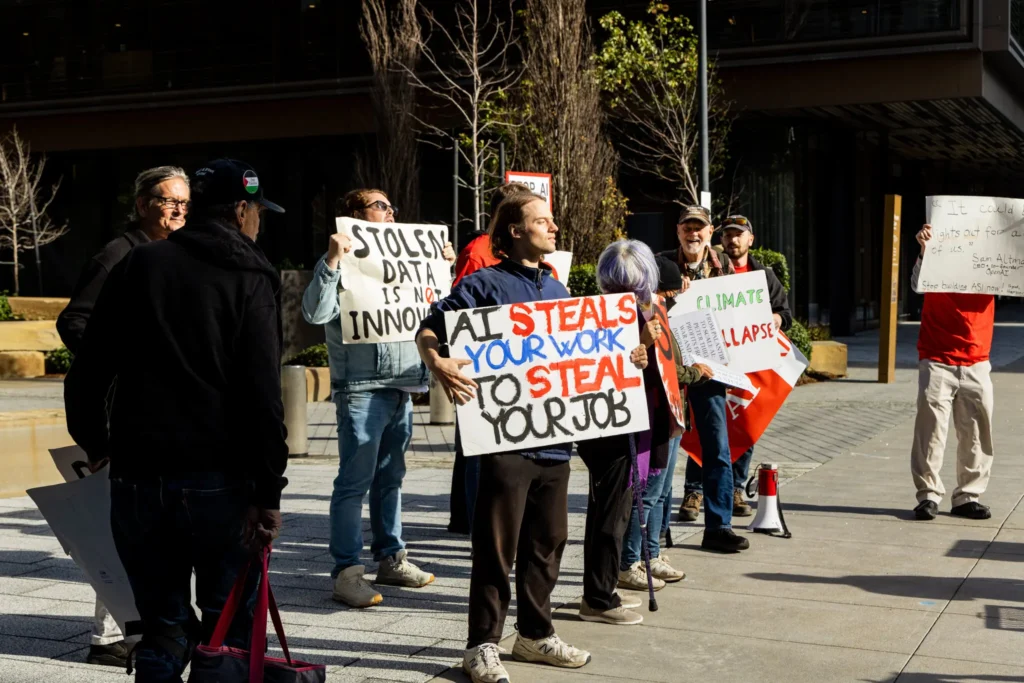
Across the United States—from small towns in Indiana to communities in Idaho—a growing number of people are no longer asking how to use AI.
They’re asking:
“Should we slow this down?”
What started as quiet concern is turning into a broader backlash against artificial intelligence—and it’s gaining real momentum.
What’s Driving the AI Backlash?
The pushback isn’t coming from one group.
It’s coming from:
- Workers
- Educators
- Artists
- Lawmakers
- Everyday citizens
And while their reasons differ, they share one thing:
A sense that AI is moving too fast—and without enough oversight.
1. Job Loss Fears Are Becoming Real
One of the biggest concerns is simple:
“Will AI take my job?”
Across industries, people are seeing:
- Automation replacing routine tasks
- AI tools doing work once done by humans
- Companies reducing hiring
This isn’t theoretical anymore.
It’s happening in:
- Customer service
- Content creation
- Administrative roles
And that’s creating anxiety—especially in regions where job stability already feels fragile.
2. Education Is Being Disrupted
Schools and universities are struggling to adapt.
Teachers report:
- Students using AI to complete assignments
- Difficulty detecting AI-generated work
- Concerns about learning quality
Some institutions are:
- Restricting AI tools
- Redesigning assessments
- Debating long-term policy
The core issue?
If AI can do the work, what does it mean to actually learn?
3. Creative Industries Are Pushing Back
Artists, writers, and musicians have become some of the loudest critics.
Their concerns include:
- AI training on their work without permission
- Loss of income opportunities
- Devaluation of human creativity
Many argue:
AI isn’t just a tool—it’s competing with them unfairly.
This has led to:
- Lawsuits
- Public campaigns
- Calls for stronger copyright protections
4. Trust and Misinformation Concerns
AI can generate:
- Fake images
- Deepfake videos
- Convincing text
This raises serious issues around:
- Misinformation
- Political manipulation
- Public trust
As AI becomes more realistic, the line between real and fake becomes harder to detect.
5. Lack of Regulation
Another major frustration:
AI is advancing faster than the rules governing it.
Many people feel:
- Governments are reacting too slowly
- Companies have too much control
- There’s not enough accountability
This has sparked calls for:
- Stronger regulations
- Transparency requirements
- Ethical standards
Why This Backlash Is Different
Technology has always faced resistance.
But this moment feels different.
1. Speed of Change
AI is evolving faster than:
- Previous technologies
- Public understanding
- Policy development
2. Scale of Impact
AI affects:
- Jobs
- Education
- Media
- Communication
All at once.
3. Visibility
Unlike past tech, AI is:
- Directly interacting with users
- Visible in daily life
- Easy to access
People aren’t just hearing about it—they’re experiencing it.
The Political Dimension
AI is becoming a political issue.
Lawmakers are:
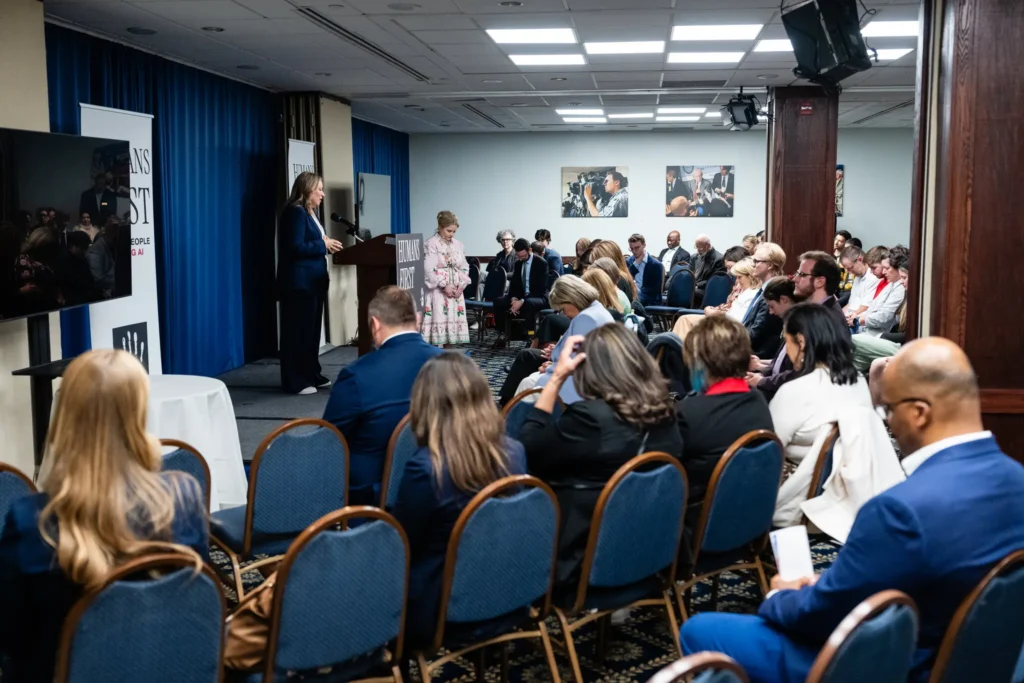
- Holding hearings
- Proposing regulations
- Responding to public pressure
At the state and local levels, there are:
- School policies
- Workplace discussions
- Community debates
This suggests AI is moving from:
A tech issue → A public policy issue
Not Everyone Is Against AI
It’s important to note:
This isn’t a total rejection of AI.
Many people still see its benefits:
- Increased productivity
- Medical advancements
- Improved accessibility
The backlash is less about stopping AI—and more about:
Controlling how it’s used
What People Are Asking For
Across different groups, common demands include:
1. Transparency
- How AI systems work
- What data they use
2. Fair Compensation
- For creators whose work trains AI
3. Job Protections
- Policies to support displaced workers
4. Clear Rules
- Guidelines for ethical AI use
The Risk of Ignoring the Backlash
If concerns aren’t addressed, it could lead to:
- Stronger resistance to AI adoption
- Regulatory crackdowns
- Public distrust of technology
In extreme cases:
Innovation could slow due to lack of public support.
The Opportunity in the Backlash
This moment also creates an opportunity:
To build AI that is:
- More ethical
- More transparent
- More aligned with human needs
Companies that listen may:
- Gain trust
- Build stronger products
- Lead long-term
What Happens Next?
We’re likely to see:
- More public debate
- New laws and regulations
- Changes in how AI is developed and deployed
And possibly:
A more balanced approach between innovation and responsibility.
Frequently Asked Questions (FAQ)
1. Why are people pushing back against AI?
Due to concerns about jobs, education, creativity, misinformation, and lack of regulation.
2. Is AI actually causing job losses?
In some areas, yes—especially for repetitive and digital tasks.
3. Are schools banning AI?
Some are restricting it, while others are adapting to integrate it responsibly.
4. Why are artists upset about AI?
Because AI systems are often trained on their work without consent or compensation.
5. Will governments regulate AI?
Most likely. Regulation is already being discussed and developed.
6. Is this backlash slowing AI development?
Not significantly yet—but it could influence how AI evolves.
7. What’s the biggest takeaway?
People aren’t rejecting AI completely.
They’re demanding it be built and used responsibly.
Final Thoughts
The AI backlash isn’t about fear of technology.
It’s about fear of losing control.
Control over:
- Work
- Creativity
- Information
- The future
And as AI continues to grow, one thing is clear:
The conversation is no longer just about what AI can do—
But what it should do.
Sources The New York Times


Hi I am so glad I found your website, I really found you by accident,
while I was browsing on Digg for something else, Nonetheless I am here now and would just like
to say thank you for a remarkable post and a all round thrilling blog (I alsoo love the theme/design),
I don’t have time to go through it all at the moment but I
have saved it and also added your RSS feeds, so when I have time I
will be back to read a great deal more, Please do keep
up the great jo.