Artificial intelligence is often described as a digital revolution.
But behind every chatbot, AI image generator, autonomous system, and large language model lies a very physical reality: electricity.
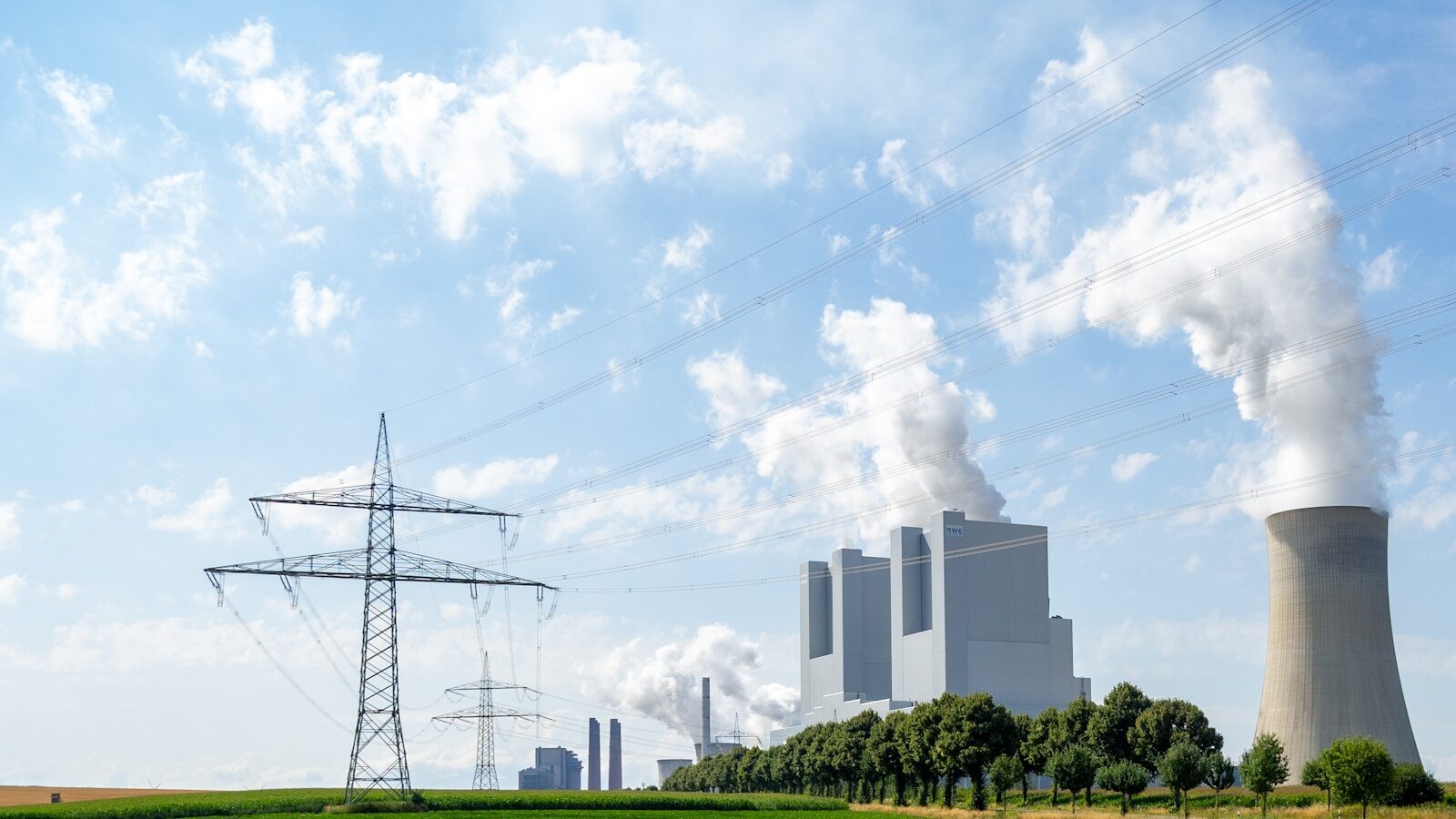
As technology companies race to build massive AI data centers, an unprecedented surge in power demand is transforming the energy landscape. Across the United States, power plants are being proposed, approved, and constructed at remarkable speed to meet the growing needs of AI infrastructure. In many cases, these projects are moving forward with limited public awareness, abbreviated review processes, and reduced scrutiny compared with traditional energy developments.
The result is a growing debate over whether the rush to dominate artificial intelligence is creating a parallel race to build energy infrastructure—one with significant environmental, economic, and social consequences.

AI’s Insatiable Appetite for Electricity
Modern AI systems require enormous computational resources.
Training advanced models involves thousands of specialized processors operating continuously for weeks or months. Once deployed, these systems must also handle millions of user requests daily, a process known as inference.
This creates a level of electricity demand that far exceeds that of traditional internet services.
The International Energy Agency expects global data-center electricity demand to roughly double by 2030, with AI serving as a major driver of that growth. Analysts project U.S. data-center power demand could reach 100–130 gigawatts by the end of the decade, compared with roughly 45–50 gigawatts today.
The Rise of Dedicated AI Power Plants
Historically, data centers connected to existing electrical grids.
Increasingly, however, developers are building dedicated power generation facilities specifically for AI campuses.
According to data cited by Reuters, at least 57 off-grid power plants have been proposed or are under construction in the United States to serve individual data centers. Together, these projects represent approximately 73,000 megawatts of capacity—enough electricity to power tens of millions of homes.
Many of these facilities are being built near major data-center clusters in states such as:
- Texas
- Virginia
- Ohio
- Utah
- West Virginia
These regions are becoming strategic battlegrounds in the global competition for AI leadership.
Why Projects Are Being Approved So Quickly
Traditionally, large energy projects undergo lengthy permitting processes involving:
- Environmental reviews
- Public hearings
- Community consultations
- Regulatory oversight
- Emissions assessments
The AI boom is changing that dynamic.
Reuters identified numerous projects that received approval in less than a year, often with limited public participation. Policymakers increasingly view AI infrastructure as strategically important, comparable to transportation, telecommunications, or defense systems.
Supporters argue that delays could jeopardize national competitiveness, particularly against China’s rapidly expanding AI sector.
The National Security Argument
Government officials increasingly frame AI as a geopolitical issue rather than merely a technological one.
Artificial intelligence is now linked to:
- Economic competitiveness
- Military capabilities
- Scientific research
- Cybersecurity
- National productivity
As a result, federal and state governments have introduced measures designed to accelerate infrastructure deployment, including faster approval pathways for energy projects connected to AI development.
Supporters argue that the country cannot afford bottlenecks in power generation if it wants to remain a global AI leader.
Why Environmental Groups Are Concerned
Many of the new power plants serving AI infrastructure rely on natural gas.
While cleaner than coal, natural gas remains a fossil fuel that emits:
- Carbon dioxide
- Nitrogen oxides
- Fine particulate matter
- Methane throughout its supply chain
Environmental advocates worry that rapid permitting may reduce opportunities to evaluate long-term impacts on local air quality and climate goals. Reuters reported concerns that some communities are learning about nearby projects only after key decisions have already been made.
Critics argue that AI’s digital image can obscure the physical environmental footprint required to support it.
Communities Caught in the Middle
For many residents, the debate is not theoretical.
Communities near proposed facilities often raise concerns about:
- Air pollution
- Noise
- Increased traffic
- Water consumption
- Property values
- Public health impacts
A recent Reuters/Ipsos survey found that most Americans are uneasy about the rapid pace of data-center construction, and a majority oppose having a data center built near their own communities. Only a small percentage expressed comfort with nearby development.
This reflects a broader challenge: society wants the benefits of AI, but many people are reluctant to host the infrastructure that makes it possible.

The Return of Fossil Fuel Power
One unexpected consequence of the AI boom is the revival of older fossil-fuel facilities.
Reuters previously reported that electricity demand from AI data centers is causing utilities to delay or cancel the retirement of aging “peaker” plants—facilities designed to operate only during periods of high demand. Many emit higher levels of pollution than modern power stations.
In some regions:
- Planned closures have been postponed.
- Retired plants are returning to service.
- Utilities are extending operational lifespans.
This trend complicates efforts to reduce greenhouse gas emissions.
Can Renewable Energy Keep Up?
Technology companies frequently pledge to power operations using renewable energy.
Many major firms have announced investments in:
- Solar farms
- Wind projects
- Battery storage
- Clean-energy purchasing agreements
However, renewable deployment often faces its own permitting challenges and transmission bottlenecks.
In some cases, AI demand is growing faster than clean-energy infrastructure can be built.
This creates a short-term gap that fossil-fuel generation often fills.
The question is whether renewable energy can scale quickly enough to prevent long-term fossil-fuel dependence.
The Nuclear Option
Because AI requires continuous, reliable power, many experts increasingly view nuclear energy as part of the solution.
Unlike solar and wind power, nuclear facilities provide stable baseload electricity regardless of weather conditions.
Technology companies are actively exploring:
- Small modular reactors (SMRs)
- Advanced nuclear designs
- Long-term nuclear power agreements
Interest in nuclear energy has intensified as AI power requirements continue to grow.
While nuclear projects require significant upfront investment, supporters argue they offer a cleaner long-term alternative to fossil-fuel expansion.
Data Centers Are Becoming Energy Infrastructure
Historically, data centers were viewed as technology facilities.
Increasingly, they resemble industrial energy consumers.
Large AI campuses may require power equivalent to:
- Small cities
- Major manufacturing complexes
- Regional industrial hubs
Research indicates that concentrated clusters of AI data centers can place significant stress on regional power systems, potentially creating vulnerabilities if infrastructure expansion does not keep pace.
This is changing how utilities, regulators, and governments think about digital infrastructure.
The Grid Challenge
Beyond generation capacity, AI creates challenges for electric grids.
AI workloads can produce rapid fluctuations in electricity demand, requiring sophisticated balancing mechanisms and energy-storage systems. Researchers are exploring batteries, thermal storage, and grid-interactive technologies to help manage these loads.
Without modernization, electrical grids may struggle to accommodate future AI growth.
Economic Benefits of the AI Energy Boom
Supporters emphasize that AI-driven infrastructure investment also creates opportunities.
Potential benefits include:
- Construction jobs
- Tax revenue
- Utility investment
- Manufacturing demand
- Economic development
Regions that attract AI data centers often receive substantial investment in roads, fiber networks, and electrical infrastructure.
For local governments, these projects can represent billions of dollars in economic activity.
A New Era of Energy Policy
The AI revolution is forcing policymakers to reconsider traditional energy planning.
Questions that once focused on household consumption and industrial growth now include:
- How much electricity will AI require?
- Who should pay for new infrastructure?
- How should communities be consulted?
- What environmental standards should apply?
- How can clean energy scale quickly enough?
These debates are likely to define energy policy throughout the next decade.
The Bigger Picture
Artificial intelligence is often portrayed as an invisible technology running inside distant servers.
In reality, AI has become one of the most energy-intensive industries ever created.
Every breakthrough model, every AI assistant, and every autonomous system depends on a growing network of data centers, transmission lines, power plants, and energy resources.
The race for AI dominance is increasingly becoming a race for electricity.
Whether governments, companies, and communities can balance innovation, environmental responsibility, economic growth, and public accountability will help determine not only the future of AI—but also the future of energy itself.
Frequently Asked Questions (FAQ)
1. Why does AI require so much electricity?
AI systems rely on large-scale computing infrastructure. Training and operating advanced models requires thousands of specialized processors running continuously, creating substantial electricity demand.
2. What are off-grid power plants for AI data centers?
These are dedicated power facilities built specifically to supply electricity directly to individual data centers rather than drawing all power from the traditional electrical grid.
3. Why are some AI-related power projects being fast-tracked?
Governments increasingly view AI infrastructure as strategically important for economic competitiveness and national security, leading to efforts to accelerate permitting and construction.
4. Are AI data centers increasing fossil-fuel use?
In some regions, yes. Rapid growth in electricity demand has contributed to new natural-gas projects and delayed retirements of older fossil-fuel power plants.

5. Can renewable energy power the AI boom?
Renewables will likely play a major role, but current deployment rates may not be sufficient to meet all near-term AI demand. Many experts believe a combination of renewables, storage technologies, grid upgrades, and potentially nuclear power will be required.
Sources Reuters