
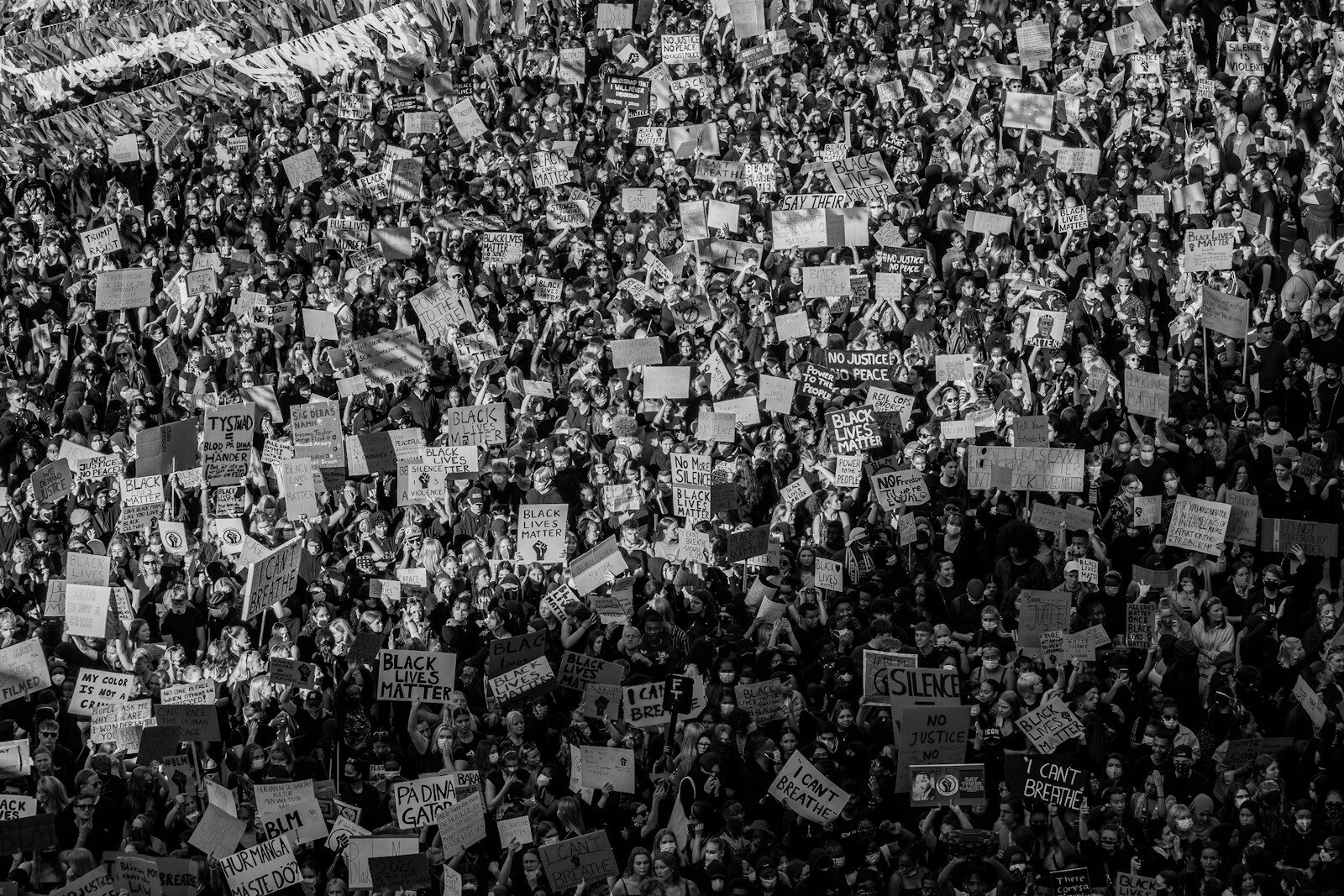
For years, artificial intelligence was treated as a technology story.
A story about:
- Innovation
- Productivity
- Startups
- Billion-dollar companies
But something is changing.
Across the world, frustration with AI is becoming:
- Political
- Cultural
- Emotional
And increasingly:
Populist.
The backlash against artificial intelligence is no longer limited to academics or tech critics.
It’s spreading among:
- Workers
- Artists
- Students
- Journalists
- Everyday citizens
Who feel that AI is being imposed on society by powerful corporations and elites without meaningful public consent.
And many governments, companies, and institutions are not prepared for what comes next.
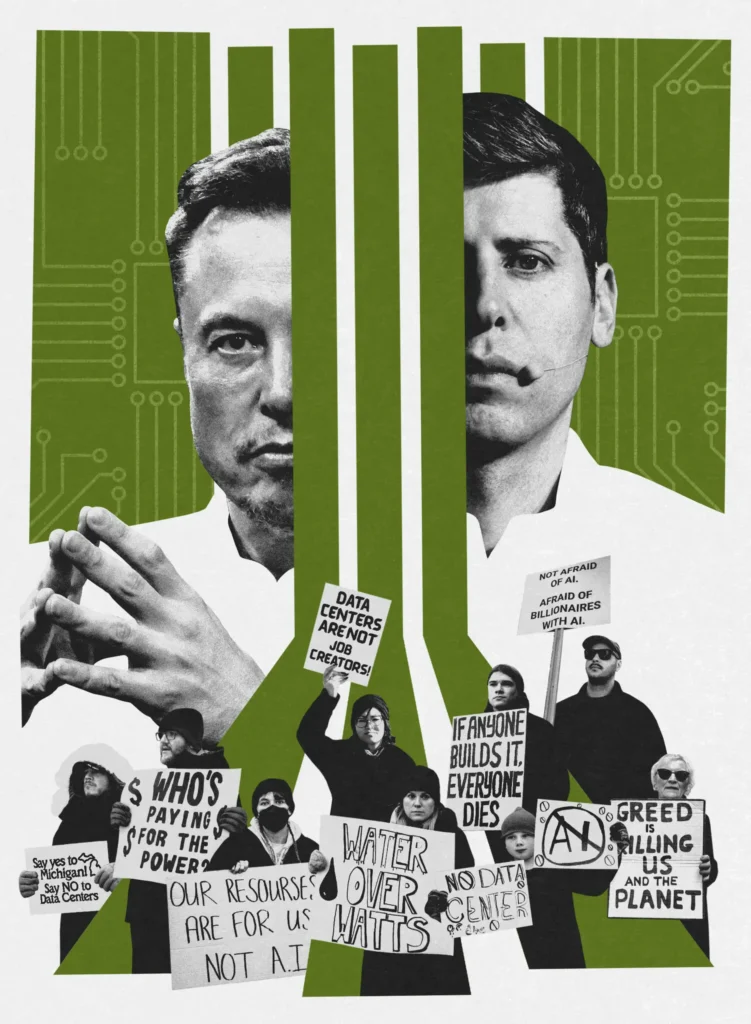
What Is “AI Populism”?
AI populism refers to:
A growing political and social backlash against artificial intelligence driven by public distrust of tech elites, corporations, and centralized power.
It combines fears about:
- Job loss
- Inequality
- Surveillance
- Corporate control
- Cultural displacement
With broader resentment toward:
- Big Tech
- Billionaires
- Political institutions
Why the Backlash Is Growing So Quickly
For years, AI was discussed mostly in abstract or futuristic terms.
Now people are experiencing its effects directly.
AI is increasingly affecting:
- Work
- Education
- Media
- Creativity
- Social interaction
And many people feel:
They had no say in how quickly these changes arrived.
The Core Feeling Behind AI Populism
At the heart of the backlash is a simple emotional reaction:
Loss of control.
People worry that:
- Decisions are being made without them
- AI is replacing human value
- A small group of companies controls the future
This creates:
- Distrust
- Anger
- Cultural anxiety
Why AI Feels Different From Previous Tech Waves
Past technologies disrupted industries too.
But AI touches something deeper.
It challenges:
- Human creativity
- Human expertise
- Human identity
People are not just afraid of losing jobs.
They are afraid of:
Becoming less relevant.
The Role of Tech Elites
Figures like:
- Sam Altman
- Elon Musk
- Major Silicon Valley leaders
Have become symbolic targets in the AI debate.
Critics argue:
- A handful of companies are shaping society without accountability
- AI development prioritizes profit and speed over public interest
This perception fuels populist anger.
Economic Anxiety Is Fueling the Movement
AI is arriving during a period of:
- Economic instability
- Rising inequality
- Labor insecurity
Workers increasingly fear:
- Automation
- Reduced bargaining power
- Wage pressure
Even people not directly replaced by AI worry about:
A future where economic power becomes more concentrated.
The Cultural Backlash
AI is also provoking cultural resistance.
Artists, writers, and creators argue:
- AI systems use human work without permission
- Creativity is being commodified
- Human expression is being diluted
This has sparked:
- Lawsuits
- Strikes
- Public protests
Why Trust in Institutions Matters
Public skepticism around AI is intensified by declining trust in:
- Governments
- Corporations
- Media institutions
When people already distrust powerful systems:
- AI becomes another symbol of elite control.
The Fear of “Techno-Feudalism”
Some critics describe the AI future as:
“Techno-feudalism”
A system where:
- A few companies own the infrastructure
- The public becomes increasingly dependent on platforms
- Economic power concentrates further
Whether exaggerated or not, this narrative resonates because:
- Many people already feel economically excluded.

AI Populism Is Not Anti-Technology
Importantly, many critics are not against technology itself.
They are against:
- Lack of transparency
- Lack of public input
- Unequal distribution of benefits
The issue is not simply AI.
It’s:
Who controls it, who profits, and who bears the consequences.
The Political Risks Ahead
AI populism could reshape politics in major ways.
Potential consequences include:
1. Stronger Regulation
Governments may impose:
- AI restrictions
- Licensing systems
- Safety requirements
2. Anti-Tech Political Movements
Politicians may campaign against:
- Big Tech influence
- AI expansion
- Automation policies
3. Economic Protectionism
Countries may attempt to:
- Protect local jobs
- Restrict foreign AI systems
- Control infrastructure development
4. Increased Social Polarization
AI debates may become:
- Ideological
- Emotional
- Deeply divisive
Why Companies Underestimated the Reaction
Many AI leaders assumed:
- Better technology automatically creates public support.
But history shows:
Rapid social change often creates backlash.
Especially when:
- Benefits feel unequal
- Risks feel personal
- Decision-making feels distant
The Media Amplification Effect
AI stories dominate headlines daily:
- Job loss fears
- Deepfake concerns
- AI cheating scandals
- Copyright lawsuits
This constant exposure reinforces public anxiety.
The Real Problem: Pace
Much of the backlash is not just about AI itself.
It’s about:
The speed of change.
People feel overwhelmed by:
- Constant technological disruption
- Uncertain futures
- Shifting workplace expectations
Societies often need time to adapt.
AI is moving faster than many institutions can handle.
What Happens If the Backlash Intensifies?
If distrust grows, we may see:
- Large-scale regulation
- Public protests
- Stronger labor resistance
- Slower AI adoption in some sectors
Companies may face:
Political resistance, not just technical challenges.
Could AI Populism Slow Innovation?
Possibly.
But it could also force:
- Better governance
- More ethical development
- Greater transparency
Sometimes backlash becomes:
A mechanism for societal correction.
What Would a Healthier AI Future Look Like?
Experts increasingly argue for:
1. Public Participation
Communities should have input into:
- AI policy
- Deployment decisions
2. Economic Protections
Including:
- Worker retraining
- Social safety nets
- Fair labor policies
3. Transparent AI Systems
People need to understand:
- How AI works
- How decisions are made
4. Human-Centered Design
AI should support human flourishing—not just efficiency.
Frequently Asked Questions (FAQ)
1. What is AI populism?
A growing public and political backlash against AI and the concentration of technological power.
2. Why are people angry about AI?
Due to fears about jobs, inequality, surveillance, and lack of public control.
3. Is AI populism anti-technology?
Not necessarily. Many critics support technology but oppose how AI is being developed and controlled.
4. Why are tech leaders becoming targets?
Because they are seen as central figures shaping society through AI systems.
5. Could AI backlash affect politics?
Yes. It may influence elections, regulation, labor policy, and public opinion.
6. Is this backlash global?
Yes. Concerns about AI are emerging worldwide across many industries and cultures.
7. What’s the biggest takeaway?
The AI debate is no longer just technical—
It’s becoming a political struggle over power, control, and the future of society itself.

Final Thoughts
Artificial intelligence is transforming the world at extraordinary speed.
But technology alone does not determine social outcomes.
People do.
And when people feel:
- Excluded
- Ignored
- Threatened
Backlash becomes inevitable.
AI populism reflects something larger than fear of machines.
It reflects a growing demand for:
- Accountability
- Participation
- Fairness
- Human dignity in the age of automation
Because the future of AI will not only be shaped by engineers and executives.
It will also be shaped by the millions of people deciding whether they trust the world AI is creating.
Sources The New York Times

