
Artificial intelligence is no longer just about answers.
It’s about meaning.
Anthropic’s emerging concept often referred to as “Mythos AI” signals a shift in how AI systems interact with humans—not just as tools that compute, but as systems that frame information through stories, values, and interpretive layers.
This isn’t a small upgrade.
It’s a fundamental change in how humans and machines relate.
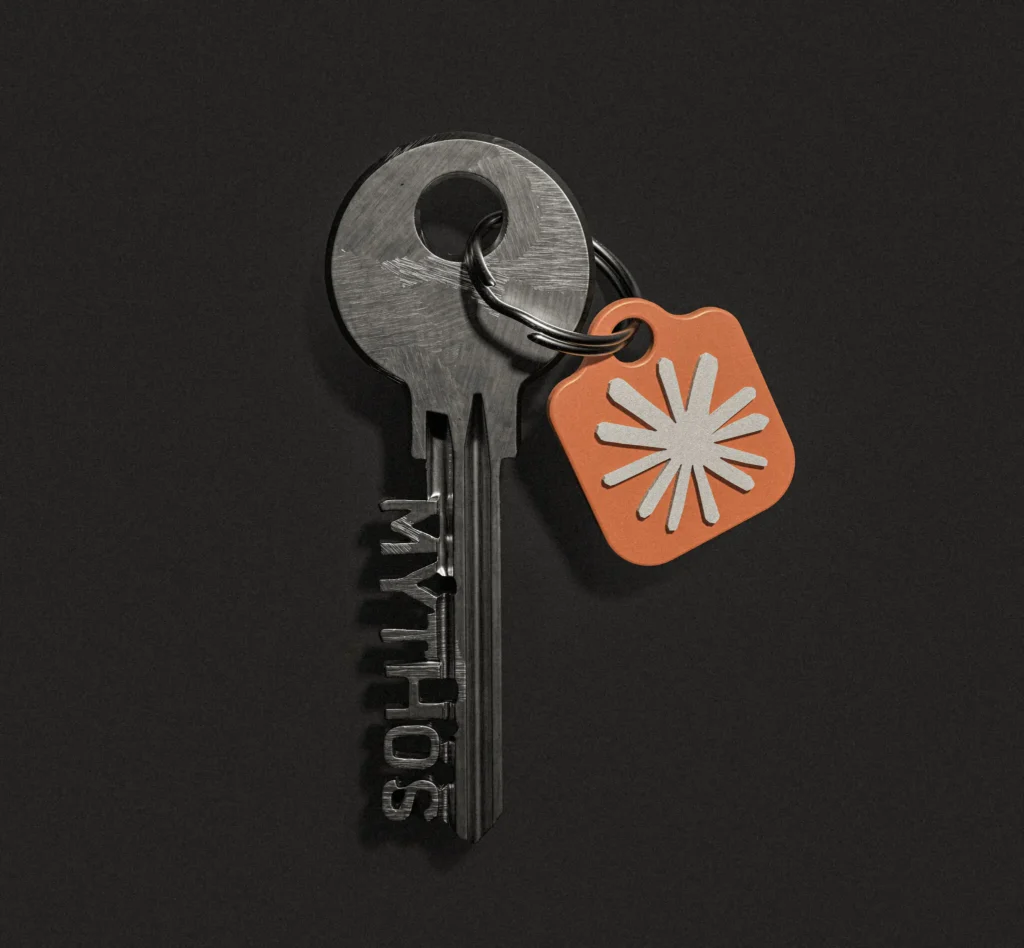
What Is “Mythos AI”?
“Mythos AI” refers to AI systems designed to:
- Communicate through narrative structures
- Embed values and context into responses
- Help users interpret reality, not just access information
Instead of simply answering:
“What happened?”
Mythos-style AI explores:
- Why it matters
- How it connects to human experience
- What it means for you
Why This Shift Is Happening
1. Information Is No Longer Scarce — Meaning Is
We already have:
- Search engines
- Data dashboards
- Real-time information
The problem now isn’t access.
It’s overload.
Mythos AI addresses this by helping users:
- Filter noise
- Understand significance
- Connect ideas into coherent narratives
2. Humans Think in Stories, Not Data
Cognitive science shows people understand the world through:
- Stories
- Metaphors
- Emotional framing
AI that speaks only in facts can feel:
- Cold
- Detached
- Hard to apply
Narrative-driven AI bridges that gap.
3. Trust in AI Requires Context
Raw answers can mislead without:
- Context
- Nuance
- Perspective
Mythos AI aims to:
- Provide interpretive guidance
- Highlight uncertainty
- Offer multiple viewpoints
How Mythos AI Differs From Traditional AI
| Traditional AI | Mythos AI |
|---|---|
| Focuses on accuracy | Focuses on meaning |
| Gives direct answers | Builds narratives |
| Data-driven | Context-driven |
| Neutral tone | Human-aware tone |
| Transactional | Relational |
The Role of Anthropic
Anthropic has consistently emphasized:
- AI safety
- Alignment with human values
- Responsible deployment
“Mythos AI” aligns with their broader goal:
Creating AI that is not just powerful, but interpretable, steerable, and aligned with human understanding.
Their systems (like Claude) already show early signs:
- More nuanced responses
- Ethical framing
- Context-aware explanations

Real-World Applications of Mythos AI
1. Education
Instead of giving answers, AI can:
- Teach through stories
- Adapt explanations to learning styles
- Connect topics to real-world meaning
2. Journalism & Media
AI could:
- Provide context around breaking news
- Explain historical patterns
- Reduce misinformation by adding nuance
3. Mental Health & Coaching
Narrative-based AI can:
- Help users reframe experiences
- Offer perspective, not just advice
- Support reflection
4. Business Strategy
Executives don’t just need data.
They need:
- Interpretation
- Scenario storytelling
- Decision framing
5. Creative Industries
Writers, marketers, and creators can use AI to:
- Build richer narratives
- Explore themes
- Generate story-driven content
The Risks and Criticisms
This shift also introduces new concerns.
1. Narrative Bias
If AI frames meaning, it can:
- Influence beliefs
- Shape perception
- Introduce subtle bias
2. Over-Personalization
Highly tailored narratives may:
- Reinforce existing views
- Limit exposure to diverse perspectives
3. Illusion of Authority
A well-told narrative can feel true—even when it’s not fully accurate.
4. Ethical Responsibility
Who decides:
- Which narratives are presented?
- What values are embedded?
What This Means for the Future of AI
We are moving from:
AI as a tool → AI as a sense-making partner
This changes everything:
- How we learn
- How we make decisions
- How we understand the world
The next generation of AI won’t just be judged on:
- Speed
- Accuracy
But on:
- Clarity
- Wisdom
- Trustworthiness
How to Prepare for This Shift
1. Develop Critical Thinking
Don’t accept narratives blindly—even from AI.
2. Ask Better Questions
The quality of output depends on input.
3. Understand Framing
Recognize how information is presented, not just what is said.
4. Stay Curious
Explore multiple viewpoints, not just the most compelling one.
Frequently Asked Questions (FAQ)
1. Is Mythos AI a specific product?
No. It’s more of a concept or direction in AI development rather than a standalone product.
2. How is this different from current AI like ChatGPT?
Current AI already shows early elements, but Mythos AI goes further by:
- Prioritizing narrative
- Embedding meaning
- Offering interpretation, not just answers
3. Is this good or dangerous?
Both.
It can:
- Improve understanding
- Enhance learning
But also:
- Introduce bias
- Influence thinking
Balance is key.
4. Will this replace traditional AI systems?
Not entirely.
There will likely be:
- Factual AI (data-focused)
- Narrative AI (meaning-focused)
Used together.
5. Can businesses benefit from Mythos AI?
Yes. Especially in:
- Strategy
- Marketing
- Customer experience
Where storytelling matters.
6. How can I use this today?
You can start by:
- Asking AI for explanations, not just answers
- Requesting multiple perspectives
- Using AI for brainstorming narratives
7. What’s the biggest takeaway?
The future of AI isn’t just about intelligence.
It’s about interpretation.

Final Thoughts
“Mythos AI” represents a deeper evolution:
From machines that compute…
To systems that help us make sense of the world.
And in a world overloaded with information—
That might be the most valuable upgrade of all.
Sources The New York Times