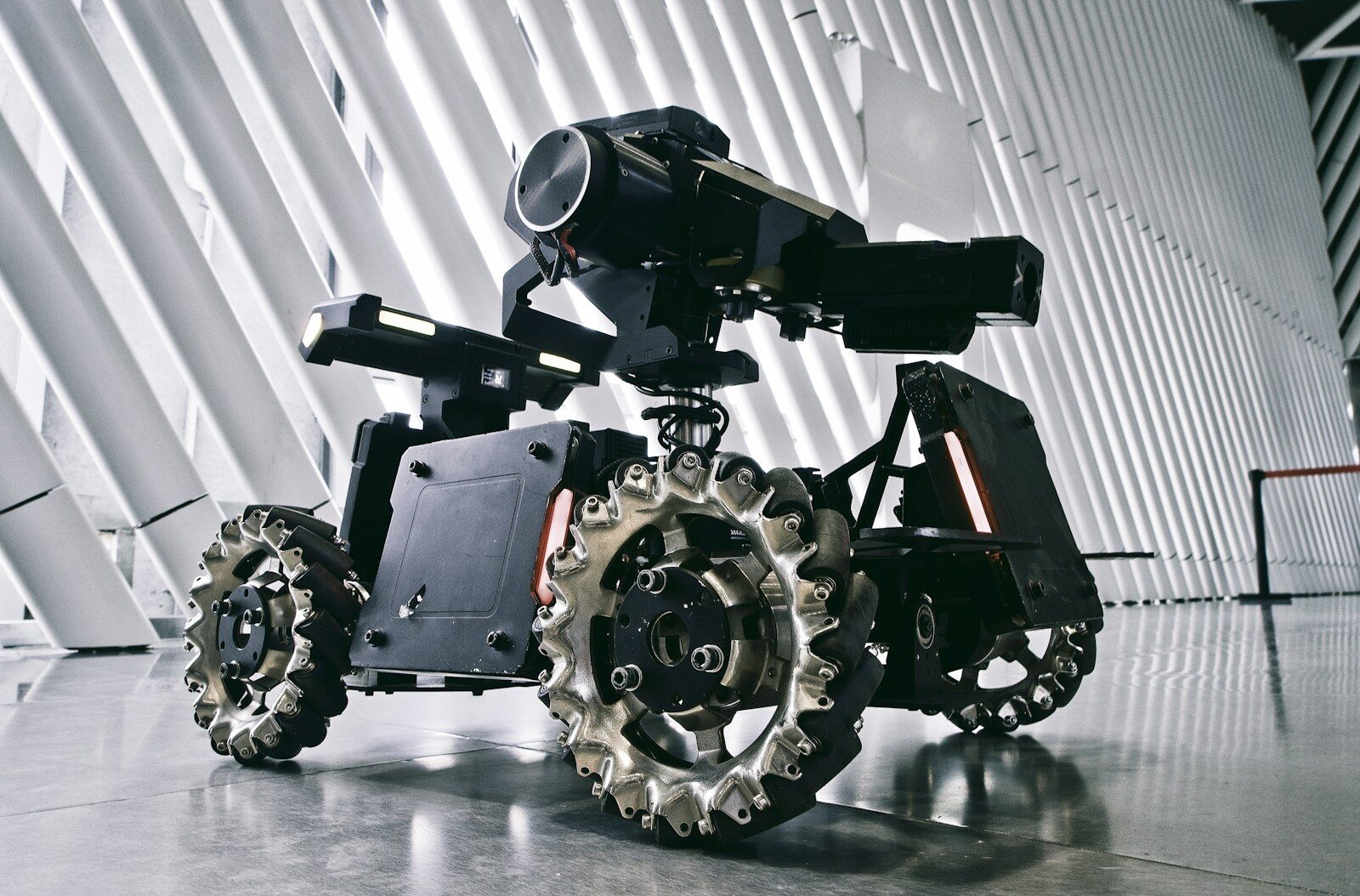
Artificial intelligence is rapidly transforming modern defense technologies, and one of the most closely watched developments is the rise of armed robotic systems. Once limited to science fiction, robotic platforms capable of assisting or carrying out military missions are becoming increasingly sophisticated, driven by advances in AI, sensors, communications, and autonomous navigation.
Governments around the world are investing heavily in autonomous and semi-autonomous defense systems that can operate in dangerous environments, support military personnel, and enhance battlefield awareness. Supporters argue that these technologies can reduce risks to soldiers, improve operational efficiency, and respond faster than traditional systems. Critics, however, warn that the growing use of AI-powered weapons raises complex ethical, legal, and security questions.
As military technology evolves, the debate is shifting from whether autonomous systems will play a role in future conflicts to how they should be developed, regulated, and governed.

What Are Armed Robotic Systems?
Armed robotic systems are machines equipped with sensors, computing systems, mobility platforms, and, in some cases, weapons that assist military operations.
These systems may operate:
- Remotely by human operators
- Semi-autonomously with human supervision
- Autonomously for limited functions such as navigation or reconnaissance, depending on system design and applicable rules
Examples include:
- Ground vehicles
- Aerial drones
- Naval surface vessels
- Underwater vehicles
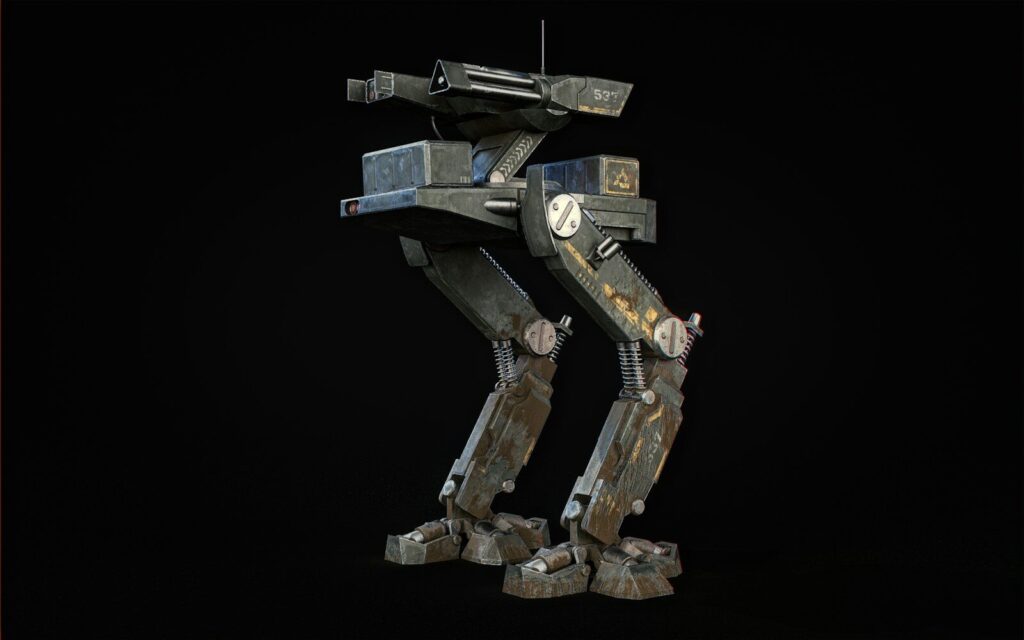
- Stationary defensive platforms
Not every military robot is designed for offensive operations. Many are used for surveillance, logistics, bomb disposal, or reconnaissance.
Why Militaries Are Investing in Robotics
Several factors are driving increased investment.
Robotic systems can potentially:
- Operate in hazardous environments
- Perform long-duration missions
- Improve battlefield awareness
- Carry heavy equipment
- Support logistics
- Assist reconnaissance
- Reduce risks to personnel
As AI capabilities improve, these systems are becoming more adaptable and capable of processing information more quickly.
Artificial Intelligence Is Expanding Military Capabilities
Modern AI enhances robotic systems through:
- Object recognition
- Route planning
- Navigation assistance
- Sensor fusion
- Threat detection
- Predictive maintenance
- Decision support
In many current deployments, AI supports human operators rather than replacing military decision-makers.
Human Oversight Remains Critical
One of the most important principles discussed internationally is maintaining meaningful human control over the use of force.
Human operators may remain responsible for:
- Mission authorization
- Target verification
- Rules of engagement
- Legal compliance
- Mission cancellation
- Accountability
Many governments state that humans should remain involved in decisions involving lethal force, although approaches differ by country and system.
Advantages of Robotic Military Systems
Potential operational benefits include:
- Reduced exposure of personnel to dangerous situations
- Faster intelligence gathering
- Improved situational awareness
- Continuous surveillance
- Greater operational endurance
- Support in hazardous environments
Robotic platforms can also perform repetitive or physically demanding tasks that would otherwise occupy human personnel.
Challenges and Risks
Despite technological progress, autonomous military systems face important limitations.
These include:
Reliability
Complex environments may challenge sensors and AI systems.
Cybersecurity
Military robots may become targets for hacking, electronic warfare, or communications disruption.
Ethical Concerns
The delegation of certain functions to AI raises questions about accountability and the appropriate role of automation in armed conflict.
Legal Compliance
Military operations remain subject to international humanitarian law, including obligations related to distinction, proportionality, and precaution.
Escalation Risks
Rapidly operating autonomous systems could affect crisis stability if not carefully designed and governed.
Robotics Beyond Combat
Military robots also perform numerous non-combat functions.
Examples include:
- Explosive ordnance disposal
- Disaster response
- Search and rescue
- Logistics
- Infrastructure inspection
- Medical supply delivery
- Environmental monitoring
These applications can improve safety and operational efficiency.
Swarm Technology Is Advancing
Researchers continue developing systems in which multiple robots cooperate.
Potential applications include:
- Reconnaissance
- Search operations
- Communications relays
- Mine detection
- Environmental mapping
Swarm systems require sophisticated coordination and robust safeguards.
AI Improves Decision Support
Artificial intelligence increasingly assists commanders by:
- Processing sensor data
- Identifying potential threats
- Prioritizing information
- Supporting logistics planning
- Forecasting maintenance needs
These tools are generally intended to enhance human decision-making rather than replace it.
International Governance Is Evolving
Governments, international organizations, and experts continue discussing frameworks for the responsible development and use of autonomous military technologies.
Topics under consideration include:
- Human oversight
- Transparency
- Accountability
- Testing standards
- Safety measures
- Compliance with international law
While consensus has not been reached globally, discussions continue as technology advances.
Commercial Technologies Influence Defense
Many technologies used in defense originated in civilian industries, including:
- Artificial intelligence
- Robotics
- Satellite navigation
- Cloud computing
- Advanced sensors
- Telecommunications
Dual-use innovation means developments in commercial technology can also affect defense capabilities.
Workforce and Training Are Changing
Modern armed forces increasingly require expertise in:
- AI systems
- Cybersecurity
- Robotics engineering
- Data analysis
- Systems integration
- Electronic warfare
Training programs are evolving alongside new technologies.
The Future Battlefield
Future military operations may involve greater collaboration between humans and machines.
Possible developments include:
- Autonomous logistics vehicles
- AI-assisted reconnaissance
- Intelligent communications networks
- Robotic engineering support
- Autonomous resupply missions
Rather than replacing military personnel entirely, these systems are likely to complement human capabilities in many roles.
Public Debate Continues
The development of AI-enabled military systems has prompted broad public discussion about:
- Ethics
- National security
- Arms control
- Human rights
- International stability
- Responsible innovation
These conversations are expected to continue as technology becomes more capable.
The Bigger Picture
Artificial intelligence and robotics are reshaping defense technology at a pace few could have imagined just a decade ago. From reconnaissance drones and autonomous logistics vehicles to advanced decision-support systems, AI is becoming deeply integrated into military operations around the world.
The growing use of robotic systems offers potential advantages in protecting personnel, improving operational efficiency, and expanding situational awareness. At the same time, it introduces difficult questions about cybersecurity, legal accountability, escalation risks, and the role of human judgment in decisions involving force.
The future of military robotics will likely depend not only on technological breakthroughs but also on the development of robust governance frameworks, international cooperation, transparent testing, and responsible deployment practices. Maintaining meaningful human oversight while leveraging AI’s strengths will remain a central challenge for policymakers and defense organizations.
As autonomous technologies continue to mature, the conversation is shifting beyond whether robots will become part of future military operations. The more important question is how societies choose to guide their development in ways that enhance security while respecting international law, ethical principles, and long-term global stability.
Frequently Asked Questions (FAQs)
1. What are armed military robots?
They are robotic systems that may assist military operations using sensors, mobility, communications, and, in some cases, weapons. Depending on the design, they may be remotely operated or include varying levels of autonomous functionality.
2. Why are countries investing in military robotics?
Governments aim to improve operational effectiveness, enhance reconnaissance, support logistics, reduce risks to personnel, and leverage advances in AI and robotics for defense applications.
3. Are autonomous military robots completely independent?
Many current systems still rely on human operators or human supervision for critical decisions. Levels of autonomy vary widely depending on the mission, technology, and national policies.
4. What are the biggest concerns about AI-powered military systems?
Key concerns include cybersecurity vulnerabilities, reliability, accountability, compliance with international law, ethical considerations, and the potential impact on strategic stability.
5. Will robots replace soldiers in the future?
Most experts expect robots to complement rather than fully replace human personnel. Humans are likely to remain essential for strategic planning, command decisions, legal oversight, ethical judgment, and complex mission execution.
Sources The Washington Post