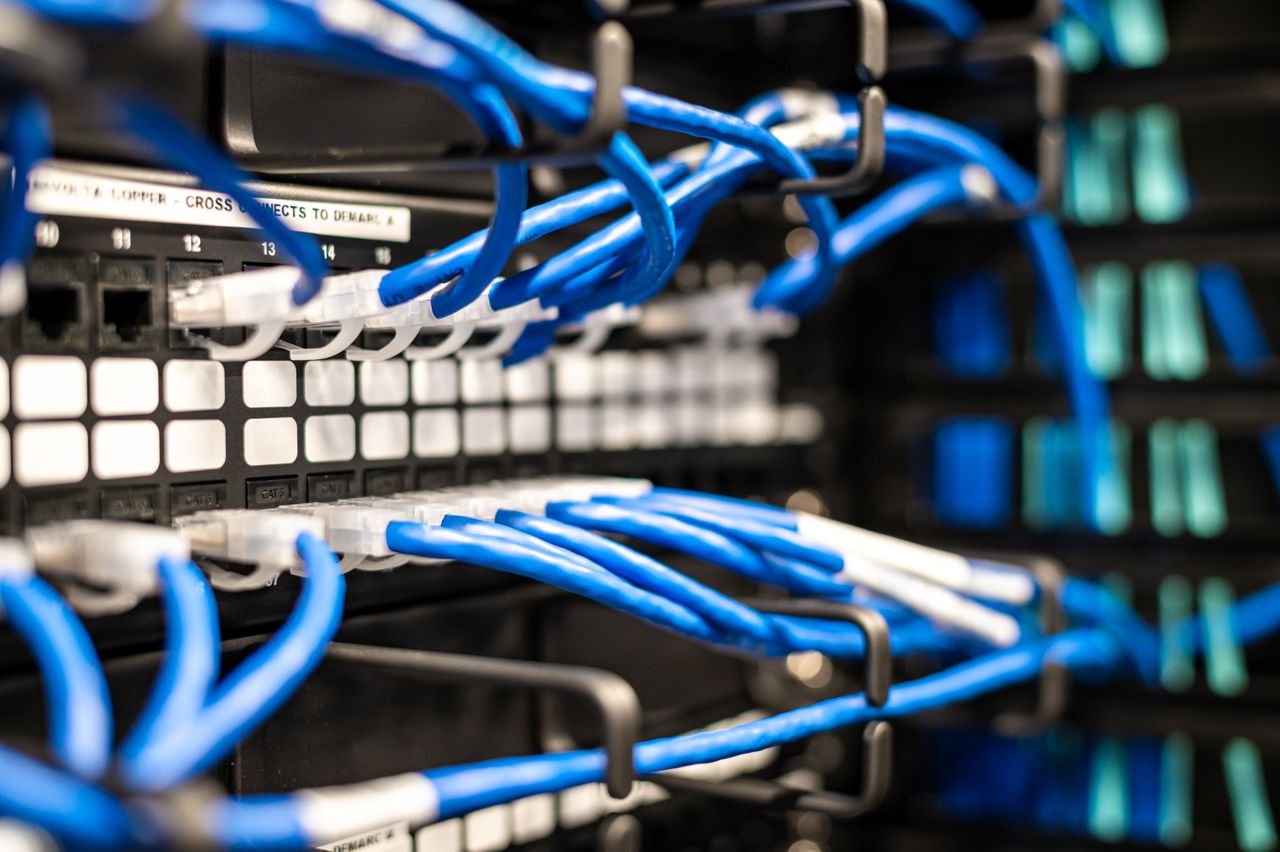
Artificial intelligence is fueling one of the largest technology infrastructure expansions in modern history. Behind every AI chatbot, image generator, recommendation engine, and cloud-based application are massive data centers packed with thousands of powerful processors working around the clock.
As demand for AI continues to surge, technology companies are investing billions of dollars to build new data centers across the United States. These facilities promise economic growth, job creation, and technological leadership. At the same time, they have become the center of increasingly heated public debates over energy consumption, water usage, environmental impact, land development, and community planning.
For many Americans, data centers have evolved from little-known industrial facilities into highly visible symbols of the opportunities and challenges created by the AI revolution.
The discussion is no longer simply about technology—it is about balancing innovation, sustainability, local interests, and national competitiveness.

What Is a Data Center?
A data center is a specialized facility that houses computing equipment used to process, store, and transmit digital information.
Modern AI data centers contain:
- High-performance GPUs
- CPUs
- Networking hardware
- Storage systems
- Cooling equipment
- Backup power systems
- Security infrastructure
These facilities support cloud computing, artificial intelligence, online services, scientific research, financial transactions, and countless digital applications used every day.
Why AI Is Driving Massive Data Center Growth
Generative AI models require enormous computing resources for both training and operation.
Compared with traditional software, AI systems often require significantly more:
- Processing power
- Memory
- Networking bandwidth
- Electricity
- Cooling capacity
- Data storage
As organizations adopt AI across industries, demand for data center capacity continues to grow rapidly.
Why Communities Are Raising Concerns
Many local residents support technological investment but also express concerns about how large infrastructure projects affect their communities.
Frequently discussed issues include:
- Increased electricity demand
- Water consumption for cooling
- Noise from cooling systems
- Traffic during construction
- Land use changes
- Visual impact
- Environmental sustainability
Community discussions often focus on balancing economic development with quality of life.
Energy Consumption Is a Major Issue
AI data centers consume substantial amounts of electricity.
Power is needed for:
- Computing hardware
- Cooling systems
- Networking equipment
- Lighting
- Security
- Backup infrastructure
As AI adoption accelerates, utilities are expanding generation capacity while exploring cleaner energy sources to meet growing demand.
Water Usage Receives Increasing Attention
Many cooling systems rely on water to remove heat generated by servers.
The amount of water required depends on:
- Facility size
- Cooling technology
- Local climate
- Operational efficiency
In regions experiencing drought or water shortages, communities often seek greater transparency regarding long-term water management plans.
The Economic Benefits
Despite concerns, data centers can generate meaningful economic value.
Potential benefits include:
- Construction employment
- Permanent technical jobs
- Increased tax revenue
- Infrastructure investment
- Local business growth
- Improved internet infrastructure
Many communities actively compete to attract technology investment because of these economic opportunities.
AI Infrastructure Supports More Than Chatbots
Although public attention often focuses on conversational AI, data centers also support:
- Healthcare research
- Financial services
- Scientific computing
- Weather forecasting
- Emergency response
- Manufacturing automation
- Education platforms
- Video streaming
- Cloud storage
Their role extends across nearly every sector of the digital economy.
Environmental Sustainability Is Becoming a Priority
Technology companies increasingly invest in sustainability initiatives such as:
- Renewable energy
- Solar farms
- Wind power
- Battery storage
- Advanced cooling systems
- Energy-efficient processors
- Heat recovery technologies
Reducing environmental impact has become an important competitive objective.
New Cooling Technologies Are Emerging
Traditional air cooling is becoming less efficient as AI hardware generates more heat.
Modern alternatives include:
- Liquid cooling
- Direct-to-chip cooling
- Immersion cooling
- Closed-loop water systems
- Heat recycling
These technologies improve energy efficiency while reducing resource consumption.
The Electric Grid Must Adapt
Growing AI infrastructure requires significant upgrades to electricity networks.
Utilities are investing in:
- Transmission lines
- Grid modernization
- Smart grid technologies
- Renewable generation
- Battery storage
- Grid resilience
Reliable electrical infrastructure has become essential for supporting future AI growth.
National Competitiveness Depends on Infrastructure
Countries increasingly recognize that AI leadership depends on physical infrastructure as much as software.
Essential components include:
- Data centers
- Semiconductor manufacturing
- Cloud computing
- Fiber networks
- Skilled workforce
- Reliable electricity
Infrastructure investment has become part of broader national economic strategy.
Local Governments Face Difficult Decisions
Communities evaluating proposed data center projects often consider:
- Tax incentives
- Environmental reviews
- Utility capacity
- Zoning regulations
- Transportation planning
- Water availability
Balancing local priorities with broader economic opportunities requires careful planning and public engagement.
Data Centers Are Becoming More Efficient
Technology companies continue improving efficiency through:
- AI-optimized workload management
- More efficient processors
- Renewable electricity
- Smarter cooling
- Advanced power management
- Sustainable building design
Modern facilities often consume fewer resources per unit of computing power than older generations.
Public Communication Matters
Many experts believe technology companies should communicate more openly about:
- Energy consumption
- Environmental impact
- Community benefits
- Job creation
- Sustainability goals
- Infrastructure planning
Transparent communication can strengthen public trust and improve relationships with local communities.
The Future of AI Infrastructure
Future AI infrastructure will likely emphasize:
- Higher energy efficiency
- Cleaner power sources
- Smaller environmental footprints
- Edge computing
- Distributed cloud networks
- Advanced semiconductor technologies
Innovation will increasingly focus on delivering greater computing performance while minimizing resource consumption.
The Bigger Picture
The rapid expansion of AI data centers represents one of the defining infrastructure challenges of the digital age.
These facilities power the artificial intelligence applications transforming healthcare, finance, education, manufacturing, scientific research, and countless other industries. At the same time, their growing demand for electricity, water, land, and supporting infrastructure has sparked important conversations about sustainability, community impact, and responsible development.
Rather than viewing the debate as a choice between technology and environmental stewardship, many experts argue that the long-term solution lies in smarter planning, cleaner energy, more efficient cooling technologies, transparent communication, and stronger collaboration between technology companies, governments, utilities, and local communities.
As AI becomes increasingly central to economic growth and global competitiveness, the challenge will be building the infrastructure needed to support innovation while ensuring that communities share in its benefits and that environmental impacts are managed responsibly.
The future of artificial intelligence depends not only on more powerful algorithms but also on creating sustainable, resilient, and publicly trusted infrastructure capable of supporting the next generation of digital innovation.
Frequently Asked Questions (FAQs)
1. Why are AI data centers expanding so quickly?
The growing popularity of artificial intelligence requires enormous computing resources for training and operating AI models. This has significantly increased demand for high-performance data centers around the world.
2. Why are some communities concerned about data centers?
Common concerns include electricity consumption, water use, noise, land development, environmental impact, traffic, and pressure on local infrastructure. Communities often seek a balance between economic benefits and quality of life.
3. How are technology companies making data centers more sustainable?
Companies are investing in renewable energy, liquid cooling, energy-efficient hardware, advanced cooling technologies, battery storage, and improved building designs to reduce environmental impacts.
4. Do data centers only support artificial intelligence?
No. Data centers power cloud computing, online banking, healthcare systems, scientific research, education platforms, streaming services, government operations, cybersecurity, and many other digital services in addition to AI.
5. Why are data centers important for the economy?
Data centers support digital infrastructure, create construction and technical jobs, attract investment, strengthen cloud computing capabilities, enable AI innovation, and contribute to long-term economic competitiveness in the digital economy.
Sources The Washington Post