Artificial intelligence has become one of the defining technologies of the 21st century, but the debate surrounding it now extends far beyond engineering labs and corporate boardrooms. Increasingly, AI is shaping discussions about geopolitics, national security, ethics, religion, economics, and even civilization itself.
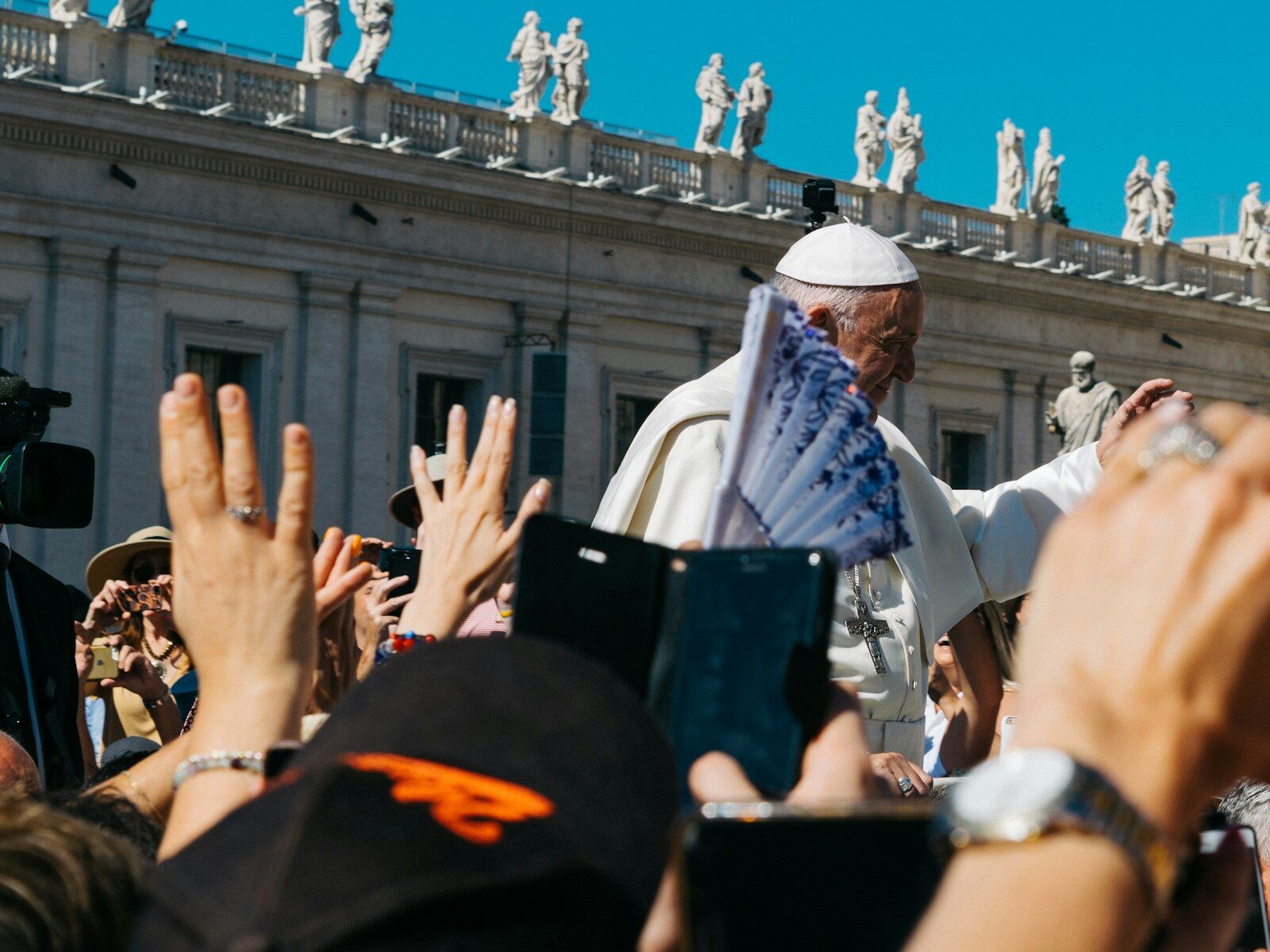
That broader debate came into sharp focus when billionaire entrepreneur and investor Peter Thiel sparked controversy during the Aspen Ideas Festival, accusing Pope Leo XIV of inadvertently “working for the Chinese Communists” because of the pope’s calls for stronger international regulation of artificial intelligence. Thiel argued that tighter AI regulations would primarily constrain democratic nations while giving China a strategic advantage in the global race to develop advanced AI systems.
His remarks generated widespread attention not simply because of their provocative nature, but because they highlighted one of the biggest questions facing governments and technology companies today:
Should AI development be accelerated as quickly as possible, or should it be slowed through stronger international oversight?
The answer could shape the future balance of technological, economic, and military power for decades.

Why AI Has Become a Geopolitical Competition
Artificial intelligence is no longer viewed as just another technological innovation.
Governments increasingly consider AI a strategic national asset comparable to:
- nuclear technology
- semiconductor manufacturing
- cybersecurity
- space technology
- advanced defense systems
Countries leading AI development may gain advantages in:
- economic productivity
- scientific research
- military capability
- intelligence gathering
- healthcare innovation
- industrial automation
This explains why many policymakers now describe AI as a race rather than simply an emerging technology.
Peter Thiel’s Argument
Peter Thiel has long argued that excessive regulation can slow technological progress.
Regarding AI, his central concern is straightforward:
If democratic countries adopt strict regulations while geopolitical competitors move ahead with fewer restrictions, the result could be an imbalance in technological leadership.
In his Aspen remarks, Thiel suggested that broad international AI regulation could unintentionally weaken the United States in its competition with China because Beijing would be less likely to follow moral or religious appeals for restraint.
Supporters of this view believe innovation itself is a national security priority.
Why the Pope Is Calling for AI Regulation
Pope Leo XIV has emerged as one of the world’s most prominent voices urging caution over artificial intelligence.
In his first encyclical, he warned that AI should serve humanity rather than dominate it. His concerns reportedly include:
- protecting human dignity
- preventing mass job displacement
- limiting autonomous weapons
- reducing misinformation
- ensuring ethical development
- avoiding excessive concentration of technological power
The pope has argued that technological progress should always remain subordinate to moral responsibility and the common good.
His position reflects a broader tradition within many religious communities that technological advances should be evaluated not only by what they can accomplish, but also by their impact on society.
The Central Debate: Speed vs. Safety
The disagreement between Thiel and Pope Leo XIV reflects two fundamentally different philosophies.
The Accelerationist View
Supporters argue that:
- rapid innovation strengthens national competitiveness
- technological leadership deters geopolitical rivals
- regulation should not stifle progress
- economic growth depends on continued innovation
The Precautionary View
Others believe:
- powerful AI requires careful oversight
- safety should precede deployment
- ethical standards reduce long-term risks
- international cooperation is essential
Neither perspective rejects AI itself.
The disagreement centers on how quickly society should advance and how much oversight governments should impose.
Why China Is Central to the Debate
China has invested heavily in artificial intelligence as part of its long-term national development strategy.
The country continues expanding investments in:
- AI research
- semiconductor development
- robotics
- autonomous systems
- smart manufacturing
- surveillance technologies
Because of this rapid progress, many American policymakers increasingly view AI leadership as an important element of national security.
This strategic competition influences debates over export controls, semiconductor manufacturing, cloud computing, and research funding.

AI Is Also an Economic Race
Beyond national security, AI promises enormous economic benefits.
Countries leading AI development may gain advantages in:
- productivity
- healthcare innovation
- education
- manufacturing
- logistics
- financial services
Consulting firms estimate AI could contribute trillions of dollars to the global economy over the coming decade through improved efficiency and entirely new industries.
For governments, slowing AI development therefore carries potential economic consequences alongside ethical considerations.
The Ethical Questions Continue to Grow
Even many supporters of rapid AI development acknowledge important risks.
Common concerns include:
- algorithmic bias
- misinformation
- privacy violations
- cybersecurity threats
- autonomous weapons
- workforce disruption
- concentration of corporate power
These issues have prompted increasing calls for responsible AI governance rather than unrestricted technological development.
The challenge lies in finding regulations that reduce harm without preventing beneficial innovation.
Religious Perspectives on Artificial Intelligence
Religious leaders around the world have increasingly entered AI discussions.
Many emphasize questions that extend beyond technology itself:
- What makes humans unique?
- Can machines replace meaningful work?
- Who is accountable for AI decisions?
- How should AI respect human dignity?
- Should autonomous systems make life-and-death choices?
These perspectives contribute ethical considerations that differ from technical or commercial priorities.
National Security Is Changing
Artificial intelligence increasingly influences defense planning.
Military applications include:
- intelligence analysis
- logistics optimization
- autonomous drones
- cybersecurity
- battlefield decision support
- satellite imagery analysis
Because AI can improve military capabilities, governments often view technological leadership as strategically essential.
This explains why AI policy has become closely connected to foreign policy.
Can International AI Rules Actually Work?
Some experts advocate global agreements governing advanced AI.
Potential areas include:
- autonomous weapons
- safety testing
- transparency
- cybersecurity standards
- export controls
However, achieving international consensus remains difficult because countries possess different political systems, economic priorities, and security interests.
Unlike climate agreements or nuclear treaties, AI technology evolves extremely rapidly, making regulation especially challenging.
What Businesses Should Learn
Companies developing AI increasingly operate within a complex environment shaped by:
- technological innovation
- geopolitical competition
- evolving regulations
- ethical expectations
- cybersecurity requirements
Organizations that invest in responsible AI governance may be better positioned to adapt as regulations continue developing across different countries.
Balancing innovation with accountability is becoming a competitive advantage.
The Future of AI Governance
Most experts expect AI regulation to continue expanding over the next several years.
Likely areas of future policy include:
- transparency requirements
- copyright protections
- privacy safeguards
- risk assessments
- disclosure obligations
- safety testing
- international cooperation
Rather than choosing between complete freedom and complete restriction, many governments are likely to pursue risk-based frameworks that encourage innovation while addressing the highest-risk applications.
The Bottom Line
Peter Thiel’s controversial criticism of Pope Leo XIV reflects a much larger global conversation about the future of artificial intelligence.
On one side are those who believe rapid AI development is essential for economic growth, scientific progress, and national security. On the other are voices urging stronger ethical safeguards to protect human dignity, employment, privacy, and global stability.
These competing visions are not simply about technology. They represent different philosophies about how society should balance innovation, responsibility, and geopolitical competition in an era where artificial intelligence is becoming one of humanity’s most transformative technologies.
As governments, businesses, researchers, and civil society continue debating the future of AI, one reality is becoming increasingly clear: decisions made today will influence not only technological leadership but also the values that shape how AI serves humanity in the decades ahead.
Frequently Asked Questions (FAQ)
1. Why did Peter Thiel criticize Pope Leo XIV over AI?
Thiel argued that stronger AI regulation could slow innovation in democratic countries while giving geopolitical competitors, particularly China, an advantage in the global AI race.
2. What are Pope Leo XIV’s main concerns about artificial intelligence?
The pope has emphasized protecting human dignity, safeguarding jobs, preventing misuse of autonomous weapons, reducing misinformation, and ensuring AI development remains guided by ethical principles.
3. Why is AI considered a national security issue?
AI has applications in defense, cybersecurity, intelligence analysis, autonomous systems, and economic competitiveness. Countries that lead in AI may gain significant strategic advantages.
4. Can AI be regulated internationally?
International cooperation is possible, but difficult. Different countries have varying political priorities, economic interests, and security concerns, making global AI governance far more complex than regulating many other technologies.

5. What is the biggest challenge in AI regulation?
The central challenge is balancing innovation with safety. Policymakers must encourage technological progress while minimizing risks such as privacy violations, bias, misinformation, cybersecurity threats, and misuse of advanced AI systems.
Sources CNN