
It was supposed to be the future of education.
An AI-focused high school in New York City—designed to prepare students for a world dominated by artificial intelligence—promised cutting-edge learning, real-world skills, and a direct path into tomorrow’s economy.
Then, unexpectedly, it was stopped.
The sudden halt of NYC’s AI high school reveals something bigger: society isn’t fully ready for AI-driven education.
What Happened?
New York City planned to launch a specialized high school centered on:
- Artificial intelligence
- Emerging technologies
- Future-ready skills
The goal was simple:
Prepare students for jobs that don’t even exist yet.
But before it could fully take off, the program was paused—raising questions about:
- Readiness
- Equity
- Oversight
- Execution
Why the AI High School Was Created
The idea behind the school wasn’t random.
It was a response to a major shift:
1. The Future of Work Is Changing Fast
AI is reshaping:
- Jobs
- Industries
- Skill requirements
Educators recognized that traditional curriculums may not be enough.
2. Demand for Tech Skills Is Exploding
Employers are looking for:
- AI literacy
- Data skills
- Problem-solving ability
An AI-focused school aimed to give students a head start.
3. Closing the Opportunity Gap
Programs like this often aim to:
- Provide access to high-demand skills
- Support underserved communities
- Create new career pathways
So Why Was It Halted?
The pause wasn’t due to one issue—but a combination of concerns.
1. Concerns About Equity and Access
Critics questioned:
- Who gets into the program?
- Who gets left out?
- Will it widen existing education gaps?
If only certain students benefit, it could deepen inequality.
2. Lack of Clear Structure
Launching a specialized school requires:
- A defined curriculum
- Qualified teachers
- Long-term planning
Some felt the rollout moved too fast without enough clarity.
3. Questions About Educational Priorities
There’s an ongoing debate:
Should students specialize in AI early—or build broad foundational skills first?
Critics worry that focusing too narrowly could:
- Limit adaptability
- Overemphasize one field
4. Teacher Readiness and Training
AI education requires:
- Skilled instructors
- Ongoing training
- Updated materials
There are concerns about whether:
- Enough qualified teachers are available
- Schools can keep up with rapid tech changes
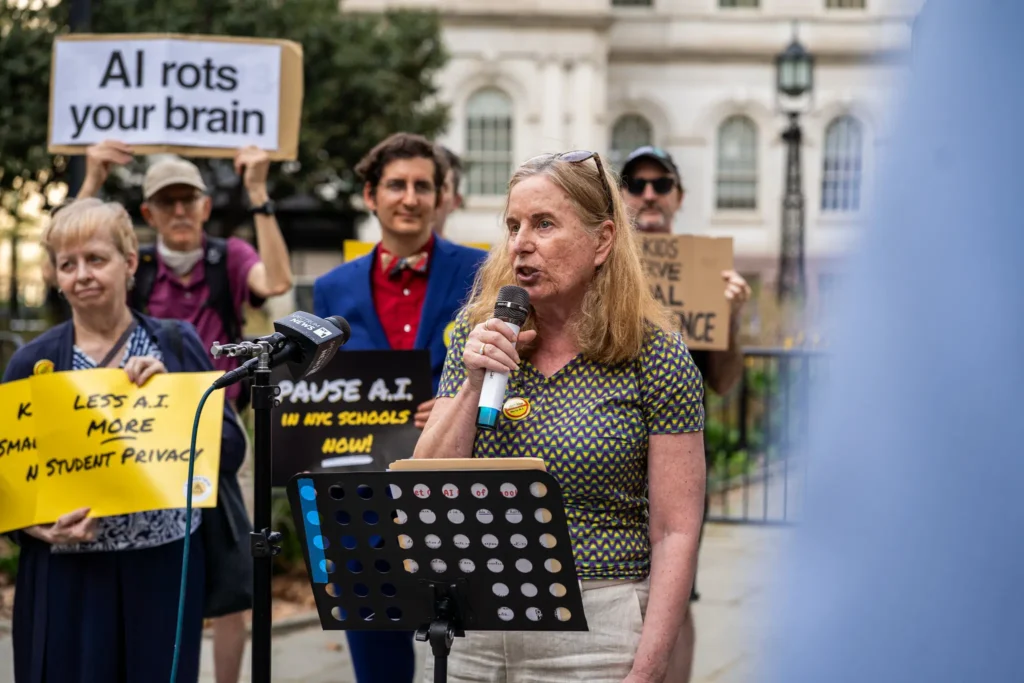
5. Political and Public Pressure
Education decisions often involve:
- Community input
- Political oversight
- Public scrutiny
Any major initiative—especially one involving AI—faces intense examination.
The Bigger Issue: Education vs. Speed of Technology
This situation highlights a deeper problem:
Technology is moving faster than education systems can adapt.
Schools operate on:
- Structured curriculums
- Long planning cycles
AI evolves:
- Rapidly
- Constantly
- Unpredictably
Bridging that gap is difficult.
What This Means for Students
Students are caught in the middle.
They face:
- Uncertainty about future careers
- Pressure to learn new skills
- A system still figuring things out
The result?
A growing need for education that balances stability and innovation.
Should Schools Teach AI?
Most experts agree:
Yes—but carefully.
AI education should include:
- Technical skills
- Ethical understanding
- Critical thinking
It’s not just about using AI.
It’s about understanding its impact.
The Risk of Getting It Wrong
If AI education is rushed:
- Students may learn outdated tools
- Schools may misallocate resources
- Inequality may increase
If it’s delayed:
- Students may fall behind
- Opportunities may be missed
The challenge is finding the right balance.
What Other Schools Can Learn From This
This pause offers important lessons:
1. Start With Strong Foundations
Focus on:
- Critical thinking
- Problem-solving
- Adaptability
2. Integrate AI Gradually
Instead of full specialization:
- Add AI into existing subjects
- Build skills over time
3. Invest in Teachers
Teachers need:
- Training
- Resources
- Ongoing support
4. Prioritize Accessibility
Ensure programs are:
- Inclusive
- Equitable
- Widely available
The Future of AI in Education
Despite the setback, AI in education isn’t going away.
Expect to see:
- More AI-focused programs
- Updated curriculums
- Increased demand for tech literacy
But likely with:
More caution and planning.
Frequently Asked Questions (FAQ)
1. Why was the NYC AI high school halted?
Due to concerns about equity, planning, curriculum clarity, and overall readiness.
2. Is AI education still important?
Yes. It’s becoming essential—but must be implemented thoughtfully.
3. Should students specialize in AI early?
It depends. A strong foundation in general skills is still critical.
4. Are other schools offering AI programs?
Yes, many schools are beginning to integrate AI into their curriculums.
5. What skills should students focus on?
- Critical thinking
- Adaptability
- Communication
- Basic AI literacy
6. Will the NYC program return?
Possibly—after adjustments and improved planning.
7. What’s the biggest takeaway?
AI education is necessary—but:
Rushing it without proper structure can create more problems than solutions.

Final Thoughts
The halted AI high school isn’t a failure.
It’s a signal.
A signal that while the future is arriving fast—
Our systems need time to catch up.
Because preparing students for tomorrow isn’t just about teaching technology.
It’s about building a system that can evolve with it.
Sources The New York Times